
Influencers vs. Content Creators on Instagram: How Are They Different?
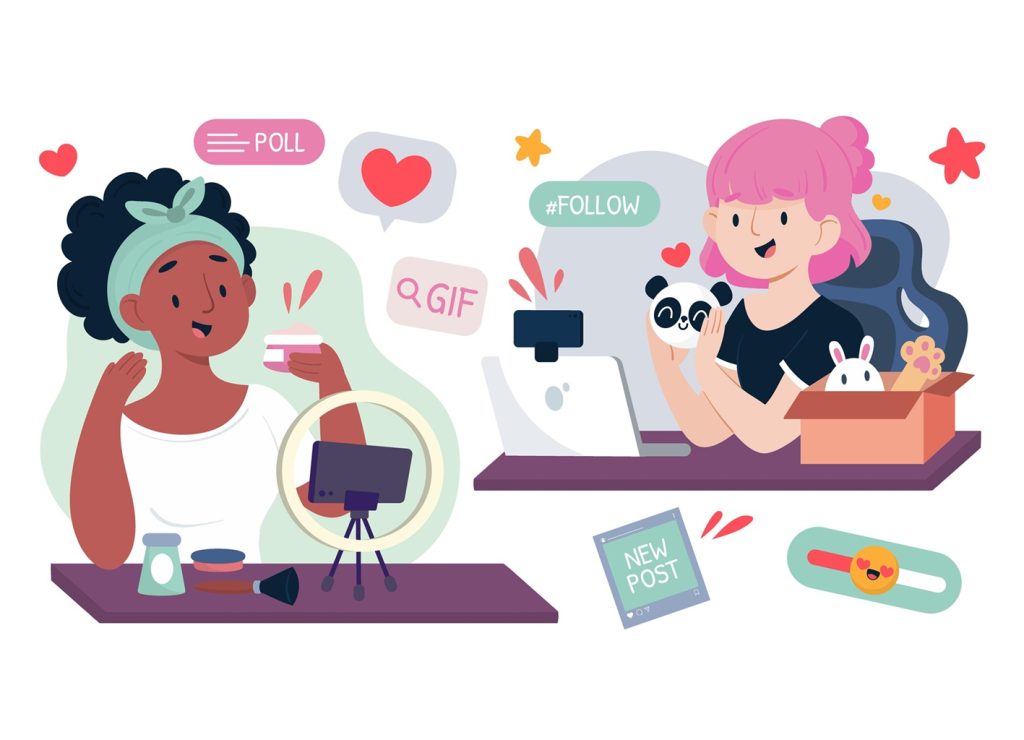
The terms “influencer” and “content creator” are often used interchangeably on Instagram, but they represent distinct roles with different focuses and business models. Understanding these differences helps brands develop appropriate partnership strategies and assists individuals in defining their career paths. Furthermore, recognizing the distinctions enables more effective collaboration, realistic expectations, and strategic positioning within the creator economy. While overlap exists between these categories, fundamental differences in priorities, revenue models, and audience relationships distinguish them. Moreover, some professionals successfully combine both approaches while others specialize in one area. This comprehensive guide explores the key differences between influencers and content creators on Instagram, examining their unique characteristics, motivations, and contributions to the platform’s ecosystem.
Understanding the Primary Differences in Purpose and Focus
Influencers prioritize building personal brands and cultivating loyal audiences who trust their opinions and recommendations across topics. Therefore, influencers focus heavily on personality, lifestyle, and maintaining strong parasocial relationships with followers. Their content often centers on their daily lives, experiences, and authentic reactions to products or services. Additionally, influencers invest significant effort in community engagement, responding to comments, and creating accessible, relatable personas. Success for influencers depends primarily on audience size, engagement rates, and perceived authenticity rather than purely technical skills.
Content creators emphasize producing high-quality creative work, often specializing in specific formats, techniques, or subject matter expertise. Consequently, creators prioritize craft development, technical excellence, and innovative approaches to photography, videography, or design. Their content showcases skills and artistry rather than primarily featuring themselves or their personal lives. Moreover, creators often work behind the camera or focus on subject matter beyond personal lifestyle content. Success for creators depends on portfolio quality, creative capabilities, and production expertise rather than personal popularity.
The distinction between influencers and content creators on Instagram fundamentally relates to whether the person or their work takes center stage. Furthermore, influencers become the product themselves, monetizing their personality, opinions, and lifestyle through audience influence. Creators sell their services, skills, and creative output rather than personal brand endorsement capabilities. Additionally, influencers typically appear prominently in content while creators may remain largely invisible behind their work. Understanding this core difference clarifies the unique value propositions each brings to partnerships and collaborations.
Monetization Models and Revenue Streams
Influencers generate income primarily through brand partnerships, sponsored content, and endorsement deals leveraging their audience influence. Therefore, influencer revenue depends heavily on follower counts, engagement metrics, and perceived sway over purchase decisions. Brands pay influencers to promote products through authentic-seeming recommendations within their typical content style. Additionally, influencers often earn through affiliate marketing, where commissions come from purchases made using their unique codes. Monetization success correlates directly with audience size, trust levels, and demonstrated ability to drive consumer actions.
Content creators monetize through production services, licensing creative assets, and sometimes selling educational resources about their craft. Consequently, creators charge for photography, videography, graphic design, or other specialized content creation services. They license existing work for commercial use or sell prints, templates, and digital products. Moreover, successful creators build businesses around teaching their skills through courses, workshops, or consulting. Revenue depends on technical capabilities, creative quality, and business development rather than personal audience size.
Understanding influencers and content creators on Instagram requires recognizing that many professionals blend both monetization approaches strategically. Furthermore, influencers often develop content creation skills to maintain quality without hiring external help. Creators build personal brands to attract higher-paying clients and diversify income beyond production services. Additionally, hybrid approaches allow professionals to capitalize on multiple revenue streams and reduce dependency on single income sources. Strategic diversification provides financial stability and professional flexibility as platform dynamics and market demands evolve.
Audience Relationships and Community Building
Influencers cultivate intimate, personality-driven relationships where audiences feel personally connected to them as individuals and friends. Therefore, influencers share personal details, daily experiences, and authentic reactions that create emotional bonds with followers. They respond extensively to comments, engage through Stories, and maintain accessible personas that encourage parasocial relationships. Additionally, influencer audiences often identify strongly with the influencer’s lifestyle, values, or aspirations they represent. Community building centers on the influencer’s personality and the shared identity followers develop around supporting them.
Content creators typically maintain more professional, skill-focused relationships where audiences appreciate their expertise and creative output primarily. Consequently, creator audiences follow for inspiration, education, or high-quality content rather than personal connection with the individual. Engagement often focuses on technique discussions, creative feedback, or learning opportunities rather than personal conversations. Moreover, creator communities form around shared interests in specific creative disciplines or subjects rather than personality. Relationships prioritize mutual respect for craft over intimate personal bonds.
The relationship differences between influencers and content creators on Instagram reflect distinct value propositions each offers their audiences. Furthermore, influencers provide entertainment, relatability, and trusted recommendations from someone audiences feel they know personally. Creators provide inspiration, education, and aspirational examples of excellence in specific creative domains. Additionally, influencer audiences seek connection while creator audiences seek skill development or aesthetic appreciation. Understanding these relationship distinctions helps both professionals cultivate appropriate communities and helps brands identify suitable partners.
Content Strategy and Posting Approaches
Influencers structure content strategies around personal narratives, lifestyle documentation, and maintaining consistent audience presence through frequent posting. Therefore, influencers typically post daily or multiple times daily across formats to maintain visibility and engagement. Content often feels spontaneous and authentic even when strategically planned, reflecting real-time experiences and reactions. Additionally, influencers balance promotional content with personal posts maintaining authentic connections rather than purely commercial feeds. Strategy emphasizes consistency, authenticity, and personal story progression rather than purely aesthetic or technical considerations.
Content creators develop strategies prioritizing quality over quantity, often posting less frequently but with higher production values and technical excellence. Consequently, creators may spend days or weeks perfecting single posts, prioritizing portfolio-quality work over daily presence. Content showcases specific subjects, techniques, or creative concepts rather than documenting personal daily experiences. Moreover, creators structure feeds as curated galleries demonstrating skills and artistic vision rather than personal narratives. Strategy emphasizes creative excellence, portfolio building, and technical demonstration over personality-driven engagement.
Comparing influencers and content creators on Instagram reveals how posting frequency and quality standards differ based on primary objectives. Furthermore, influencers maintain engagement through consistent presence and personality, making frequent lower-production content effective. Creators build reputations through exceptional work quality, making infrequent high-production content more strategically appropriate. Additionally, platform algorithms reward consistency differently than quality, creating different optimization strategies. Understanding these strategic differences helps professionals develop approaches matching their goals and strengths rather than following misaligned advice.
Exploring Similarities in Skills and Platform Presence
Despite differences, influencers and content creators share fundamental skills including visual storytelling, audience understanding, and strategic communication. Therefore, both must understand composition, lighting, and narrative techniques to create compelling Instagram content effectively. Both need copywriting abilities to craft engaging captions and calls-to-action that drive desired responses. Additionally, both require analytical capabilities to understand performance data and optimize strategies accordingly. Shared skill foundations enable some professionals to transition between or combine roles successfully over time.
Both influencers and creators must master Instagram’s technical features, algorithm dynamics, and evolving platform best practices. Consequently, understanding Reels, Stories, hashtags, and engagement tactics proves essential regardless of role emphasis. Both benefit from knowledge about optimal posting times, format preferences, and content types that algorithms favor. Moreover, both must adapt strategies as platform priorities shift toward video, shopping features, or other functionality changes. Technical platform mastery remains critical for success whether focusing on influence or creation.
The similarities between influencers and content creators on Instagram include dealing with creative burnout, algorithm challenges, and income inconsistency. Furthermore, both face pressure to constantly produce engaging content that performs well despite changing platform dynamics. Both experience feast-or-famine income patterns requiring financial planning and business discipline. Additionally, both navigate blurred work-life boundaries as their presence and output become constantly evaluated publicly. Shared challenges create common ground despite different approaches and professional identities.
Comparing Differences in Brand Partnership Approaches
Brands collaborate with influencers primarily for promotional reach, authentic endorsements, and ability to drive purchase decisions through recommendations. Therefore, influencer partnerships focus on product reviews, sponsored posts, and lifestyle integration demonstrating products in use. Brands value influencers’ perceived authenticity and audience trust that makes recommendations feel genuine rather than obviously advertised. Additionally, influencer metrics like engagement rates, audience demographics, and previous campaign performance guide partnership decisions. Partnership success measures often include awareness, consideration, and conversion metrics directly attributable to influencer content.
Brands engage content creators primarily for production capabilities, creative concepts, and high-quality visual or video assets. Consequently, creator partnerships involve producing specific content deliverables like photography, graphics, or videos for brand channels. Brands value creators’ technical expertise and ability to execute creative visions at professional quality levels. Moreover, creator partnerships often include content licensing, allowing brands to repurpose assets across marketing channels. Success metrics focus on content quality, production efficiency, and asset versatility rather than creator’s personal audience impact.
The partnership differences between influencers and content creators on Instagram reflect their distinct value propositions to brands and marketing objectives. Furthermore, influencer partnerships suit awareness campaigns, product launches, or initiatives requiring trusted endorsements. Creator partnerships serve brands needing professional content assets without full production team costs. Additionally, some partnerships combine approaches, hiring creators who also promote finished content to their audiences. Understanding these differences helps brands structure collaborations appropriately and compensate partners fairly for specific value provided.
Similarities in Business and Professional Development
Both influencers and creators must develop strong business acumen including negotiation, contracts, financial management, and strategic planning. Therefore, successful professionals in either category understand pricing strategies, contract terms, and intellectual property rights. Both must manage irregular income, plan for taxes, and potentially establish business entities. Additionally, both benefit from understanding marketing fundamentals, personal branding, and competitive positioning regardless of specific focus. Business skills prove equally essential whether monetizing influence or creative services.
Professional growth requires both influencers and creators to build industry networks, stay current with trends, and continuously develop relevant skills. Consequently, attending industry events, joining professional communities, and following platform updates benefits both roles equally. Both must invest in learning new techniques, formats, or strategies as Instagram and creator economy evolve. Moreover, both rely on reputation and word-of-mouth referrals for opportunity flow, making relationship cultivation critical. Professional development approaches show remarkable similarities despite different specialization areas.
Understanding influencers and content creators on Instagram includes recognizing both face challenges balancing artistic integrity with commercial demands. Furthermore, both navigate tensions between authentic expression and strategic optimization for algorithms or brand requirements. Both experience pressure to maintain output quality while managing burnout and creative exhaustion risks. Additionally, both must decide which opportunities align with values versus purely financial considerations. These shared professional challenges create common ground transcending superficial differences in focus areas.
Evaluating Differences in Long-Term Career Trajectories
Influencers often build careers toward launching personal brands, products, or businesses leveraging their loyal audience following. Therefore, successful influencers frequently transition into entrepreneurship, creating merchandise, courses, or service businesses. Some expand into traditional media through books, television, podcasts, or speaking engagements. Additionally, influencers may become brand ambassadors, consultants, or talent agency representatives as their influence matures. Career trajectories typically involve capitalizing on audience relationships and personal brand equity built through years of influence.
Content creators typically evolve toward agencies, production companies, or specialized creative services scaling beyond individual contributor work. Consequently, successful creators hire teams, establish studios, or build businesses serving multiple clients simultaneously. Some transition into creative direction, teaching, or consulting roles sharing expertise with other creators. Moreover, creators may develop software tools, presets, or educational products serving fellow creators in their disciplines. Career progression often involves transitioning from individual creator to business owner or industry expert.
The career trajectories for influencers and content creators on Instagram reflect different assets each develops through their work over time. Furthermore, influencers build audience relationships and personal brands that enable entrepreneurship and media opportunities. Creators build portfolios, technical expertise, and industry reputations enabling agency growth or specialized services. Additionally, some professionals successfully combine approaches, building audiences while developing production capabilities supporting multiple revenue streams. Understanding potential trajectories helps individuals make strategic decisions aligning current work with long-term aspirations.
Navigating Similarities in Platform Challenges and Adaptation
Both influencers and creators face algorithm changes that dramatically impact reach, engagement, and income stability without warning. Therefore, both must remain agile, adapting strategies quickly when Instagram prioritizes new formats or engagement patterns. Both experience frustration when organic reach declines despite consistent quality and effort. Additionally, both must balance algorithm optimization with authentic expression and audience preferences that may conflict. Platform dependency creates shared vulnerability regardless of whether influence or creation drives primary value.
Content saturation affects influencers and creators equally as competition intensifies and audience attention becomes increasingly fragmented. Consequently, both must find differentiation strategies distinguishing themselves in oversaturated markets and niche categories. Both face pressure to constantly innovate, experiment with formats, and develop unique approaches standing out. Moreover, both experience difficulty gaining traction as established players dominate visibility and newer entrants struggle. Market saturation challenges require creativity and persistence from both influencers and creators seeking sustainable success.
Understanding influencers and content creators on Instagram includes recognizing both navigate mental health challenges from constant public evaluation and pressure. Furthermore, both experience anxiety about performance metrics, income volatility, and maintaining relevance in fast-changing environments. Both face burnout from relentless content demands and blurred boundaries between personal and professional lives. Additionally, both deal with negative comments, comparison culture, and imposter syndrome affecting wellbeing. Shared mental health challenges highlight human costs of creator economy participation regardless of specific role.
Conclusion
The differences between influencers and content creators on Instagram primarily involve whether personality or craft drives value, though significant overlap exists. Influencers monetize personal brands and audience influence while creators monetize technical skills and creative production capabilities. Furthermore, influencers prioritize authentic relationships and frequent personal content while creators emphasize quality, expertise, and portfolio development. Despite these distinctions, both roles require business acumen, platform mastery, and continuous adaptation to evolving landscapes. Moreover, many successful professionals blend both approaches, building audiences while developing production excellence for diversified income. Understanding these differences and similarities helps individuals define strategic paths and helps brands identify appropriate partners. Whether focusing on influence, creation, or hybrid approaches, success requires authenticity, quality, strategic thinking, and sustained commitment to building value for audiences and partners.
VerifiedBlu is a great resource for growing your Instagram followers organically and authentically. Contact us to talk about how we can help.
