
How Can Adaptive Posting Strategies on Instagram Help Me?
What Adaptive Posting Strategies on Instagram Actually Are
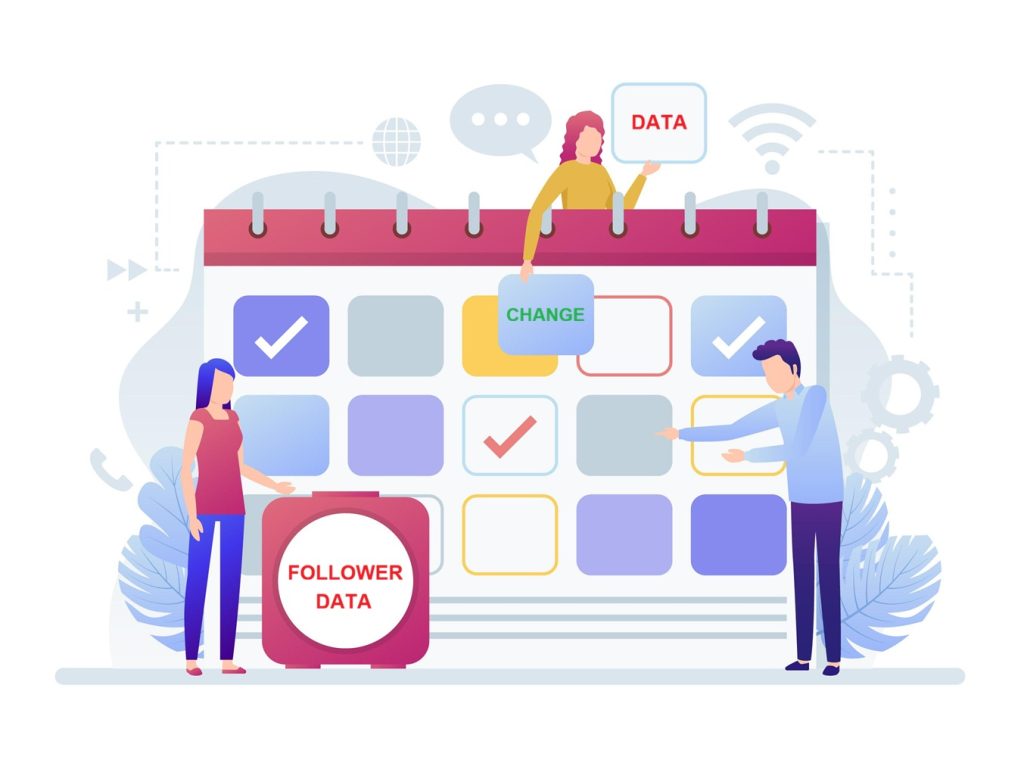
Most creators build a content plan and stick to it rigidly, regardless of what their data shows. However, Instagram rewards accounts that respond to signals rather than ignore them. Adaptive posting strategies on Instagram are flexible approaches to content planning that change based on real performance data, audience behavior, and platform shifts. Rather than following a fixed schedule blindly, you adjust your timing, format, content mix, and frequency in response to what is actually working. Therefore, adaptive strategies treat your content plan as a living document rather than a locked-in commitment. Furthermore, they give you a structured way to evolve without losing consistency or direction along the way.
Core idea
The core idea behind adaptive strategies is simple. You observe, you measure, and then you respond. Consequently, your content decisions are always grounded in evidence rather than assumption. This doesn’t mean you change everything every week — that would create instability rather than growth. Instead, you make deliberate, incremental adjustments based on patterns that emerge from your data over time. Additionally, adaptive strategies require you to define what success looks like before you start tracking it. Therefore, set clear goals for each type of content you publish, so you know exactly what signals to look for. Furthermore, having clear benchmarks makes it easier to recognize meaningful trends rather than react to normal short-term fluctuations.
Flexibility is a strength
Adaptive posting strategies on Instagram stand in contrast to the “set it and forget it” approach that many creators default to. A fixed plan may feel safe, but it often leads to stagnation. When Instagram’s algorithm changes, audience preferences shift, or new content formats emerge, a rigid plan leaves you unable to respond effectively. Therefore, flexibility isn’t a weakness in your strategy — it is a strength. Moreover, creators who adapt quickly tend to maintain stronger engagement rates over time because their content stays relevant and responsive. As a result, their accounts continue to grow even when external conditions change in ways that derail less flexible creators.
Building a Flexible Plan That Responds to Your Data
Data is the foundation of every effective adaptive strategy. Without it, you are making adjustments based on intuition alone, which is unreliable. Therefore, start by identifying the key metrics that matter most for your account. These might include reach, saves, shares, comments, profile visits, or follower growth rate. Then, review these metrics consistently — at minimum, once per week. Consequently, you develop a clear picture of which content types, topics, and formats your audience responds to most strongly. Additionally, look beyond individual post performance and examine trends across a four-to-six week window. This longer view reveals patterns that single-post data can easily obscure or distort.
Flexible but predictable
A flexible plan doesn’t mean an unpredictable one. Structure still matters enormously. Therefore, build your content calendar with defined categories — for example, educational posts, promotional content, community engagement posts, and storytelling content. Then, adjust the balance of those categories based on what your data reveals. If educational Carousels consistently outperform promotional Reels, shift your ratio accordingly. Furthermore, track the timing of your best-performing posts to identify when your audience is most active and receptive. Consequently, you refine your publishing schedule gradually rather than guessing at optimal times. As a result, your flexible plan becomes increasingly precise over time without losing its ability to respond to new information quickly.
Format-level performance
Adaptive posting strategies on Instagram also require you to pay close attention to format-level performance, not just topic-level performance. A strong topic can underperform simply because you delivered it in the wrong format for your audience. Therefore, test each major topic across multiple formats — a Carousel, a Reel, a single image, and a Stories sequence — before you draw conclusions about its value to your audience. Additionally, note which formats earn saves versus shares versus comments, because these signals reflect different types of value. Furthermore, use this format-level data to inform not just what you post, but how you package every idea going forward. As a result, your content strategy becomes sharper and more intentional with each publishing cycle.
How a Responsive Strategy Change Can Improve Engagement
Engagement rates are one of the clearest indicators that your current strategy needs adjustment. When engagement drops across multiple posts in a row, that is a signal worth taking seriously. Adaptive posting strategies on Instagram give you a framework to respond to that signal constructively rather than reactively. Therefore, when you notice a sustained dip in engagement, start by diagnosing the cause before you change anything. Ask whether the drop coincides with a format shift, a topic change, a new posting time, or a broader algorithm update. Consequently, you address the actual problem rather than making random adjustments that may not solve it.
Targeted and specific changes
A responsive strategy change works best when it is targeted and specific. Avoid the temptation to overhaul your entire content plan at once. Instead, isolate the variable that seems most likely to be causing the engagement decline and adjust that single element first based on A/B testing or other comparative evaluation of various possible changes. For example, if you recently shifted from Carousels to single-image posts and engagement dropped shortly after, reintroduce Carousels and monitor the response. Furthermore, give each adjustment enough time to produce meaningful data — at least two to three weeks — before you evaluate whether it worked. Additionally, document every change you make and its outcome, because this record becomes an invaluable reference for future decision-making. As a result, your adjustments become progressively more effective over time.
Analyze the differences
Positive engagement shifts also call for a responsive strategy change, not just negative ones. When a particular post significantly outperforms your average, treat that as a signal worth exploring. Therefore, analyze what made that post different — was it the topic, the format, the caption structure, the timing, or a combination of factors? Then, replicate those elements deliberately in future content. Furthermore, don’t assume that one strong post means you have found a permanent formula. Instead, test the approach across several posts to confirm the pattern. Consequently, you build on genuine insights rather than isolated lucky results. Additionally, sharing strong-performing content types more frequently rewards your audience with what they have already shown they value.
Timing and Frequency as Part of Your Flexible Plan
Posting frequency is one of the most misunderstood elements of Instagram strategy. Many creators believe that more posts always produce more growth. In reality, frequency without quality accelerates decline rather than growth. What you should aim for is consistency. Therefore, your flexible plan should treat frequency as a variable to optimize, not a fixed number to hit. Adaptive posting strategies on Instagram involve adjusting how often you post based on your capacity to maintain quality and your audience’s demonstrated appetite for your content. Consequently, the right frequency for your account is unique to your situation and may change as your audience and content evolve over time.
Timing your posts
Timing is equally important and equally adjustable. Instagram Insights provides data on when your followers are most active, broken down by day and hour. Therefore, use this data to anchor your publishing schedule around your audience’s peak activity windows. Furthermore, revisit your timing data every four to six weeks, because audience behavior shifts seasonally and in response to life changes. For example, a professional audience may be most active on weekday mornings during one season and weekend evenings during another. Additionally, experiment with slight timing variations to test whether different windows produce meaningfully different engagement results. Consequently, your publishing schedule becomes a refined tool rather than an arbitrary routine.
Posting frequency
Stories posting frequency deserves its own consideration within your flexible plan. Stories operate on a different rhythm than feed posts, and your audience likely engages with them differently. Therefore, track Stories views, exit rates, and reply rates separately from your feed post metrics. Furthermore, use Stories to test content ideas before you commit to a full feed post — strong Stories engagement often predicts strong feed performance for the same topic. Additionally, adjust your Stories frequency based on the data rather than defaulting to a fixed daily output. As a result, every Stories post you publish serves a clear purpose within your broader adaptive strategy and contributes meaningfully to your overall account health.
Using Platform Shifts to Trigger a Responsive Strategy Change
Instagram regularly updates its algorithm, introduces new features, and shifts its distribution priorities. Each of these changes creates an opportunity for creators who respond quickly and a setback for those who don’t. Therefore, staying informed about platform updates is a core responsibility within any adaptive posting strategy. Furthermore, when Instagram actively promotes a new feature — such as Reels at launch, or more recently, broadcast channels — early adoption tends to earn algorithmic rewards. Consequently, creators who build responsiveness into their strategy are positioned to capitalize on these windows before the broader creator community catches up and the advantage narrows.
Trends
Adaptive posting strategies on Instagram also require you to monitor shifts in your niche, not just shifts in the platform itself. Trending topics, viral formats, and cultural moments create short-term opportunities to reach new audiences. Therefore, build enough flexibility into your content calendar to respond to relevant trends without abandoning your core strategy. Additionally, not every trend deserves your participation — only engage with trends that genuinely align with your brand and your audience’s interests. Furthermore, forced or off-brand trend participation can damage your credibility more than it helps your reach. As a result, your adaptive strategy should include a quick filter for evaluating whether any given trend is worth your time and creative energy.
Pay attention to competitor behavior
Competitor behavior is another useful signal to incorporate into your responsive strategy change process. Pay attention to what is working for accounts in your niche that are growing faster than you are. You are not looking to copy their approach — rather, you are looking to understand what audience behaviors and platform dynamics their success reflects. Therefore, analyze their top-performing content types and formats with curiosity rather than envy. Consequently, you surface insights about your shared audience that your own data alone might not reveal. Additionally, notice when leading accounts in your niche make significant strategy shifts, because those shifts often signal broader platform changes worth investigating and potentially responding to yourself.
How Adaptive Posting Strategies on Instagram Support Long-Term Growth
Short-term thinking is one of the biggest obstacles to sustainable Instagram growth. Many creators chase quick wins — viral moments, sudden follower spikes, trending sounds — without building the underlying strategic discipline that produces lasting results. Adaptive posting strategies on Instagram counteract this tendency by keeping your focus on long-term patterns rather than short-term outcomes. Therefore, evaluate your strategy across multi-month windows, not just week by week. Furthermore, set quarterly goals that reflect meaningful growth milestones, and use your adaptive framework to make the incremental adjustments needed to reach them. Consequently, your account moves forward steadily even during periods when individual posts underperform expectations.
Adaptability = less anxiety
Adaptability also reduces the anxiety that many creators feel when their content doesn’t immediately perform as hoped. When you have a structured process for observing, adjusting, and retesting, a single underperforming post becomes useful data rather than a source of discouragement. Therefore, reframe every performance result — positive or negative — as information that makes your next decision better. Additionally, this mindset shift makes it easier to take creative risks, because you trust your adaptive framework to catch and correct any missteps before they become larger problems. Furthermore, creators who embrace adaptability tend to enjoy the creative process more, because they feel in control of their growth rather than at the mercy of an unpredictable algorithm.
Conclusion
Finally, adaptive posting strategies on Instagram build the kind of strategic muscle that benefits your account for years, not just months. Every adjustment you make and every pattern you identify adds to your growing understanding of your audience and your niche. Consequently, your decisions become faster, sharper, and more confident over time. Additionally, the data you accumulate across months and years becomes an invaluable asset that no competitor can easily replicate. Therefore, commit to the adaptive approach not just as a short-term fix but as a permanent operating philosophy. As a result, your account becomes increasingly resilient, increasingly relevant, and increasingly difficult to dislodge from a position of strength within your niche.
VerifiedBlu can help you grow your Instagram followers organically and authentically. Contact us today.
