
Understanding Parasitic vs. Symbiotic Behavior on Instagram
What These Behavior Patterns Actually Mean
Instagram audiences are not monolithic. They contain individuals who interact with an account in fundamentally different ways. Some followers contribute energy, engagement, and reach to an account. Others extract value without giving anything meaningful back. Understanding the similarities and differences between parasitic and symbiotic behavior on Instagram helps creators to make smarter decisions about content, community, and growth strategy. These two patterns produce very different outcomes for account health and algorithmic performance. Furthermore, they tend to cluster in predictable ways that become easier to identify over time. Recognizing the difference early allows creators to nurture the right relationships and address the damaging ones before they become entrenched.
Defining the Two Core Audience Behavior Patterns
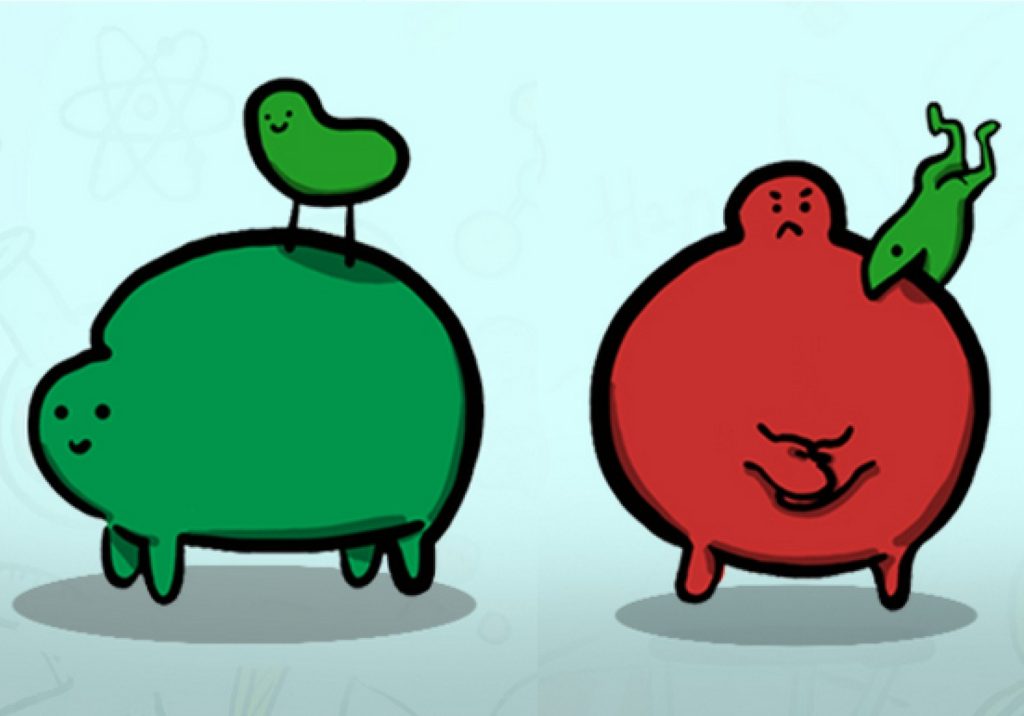
Symbiotic behavior describes a mutually beneficial relationship between a creator and a follower. The follower receives genuine value from the content. In return, they contribute engagement signals that help the account to grow and reach more people. This exchange benefits both parties and strengthens the account over time. Parasitic behavior, by contrast, describes a one-sided relationship. The follower consumes content passively or exploits the account’s community without contributing anything in return. Additionally, some parasitic behaviors actively harm the account by distorting engagement metrics or draining community energy. Therefore, the distinction between these two behavior patterns is not merely academic. It has direct and measurable consequences for account performance and long-term sustainability.
Why This Distinction Matters for Account Health
The Instagram algorithm evaluates account health largely through the quality of engagement signals it receives. Symbiotic followers generate the kinds of signals that tell the algorithm the content is worth distributing more widely. Parasitic followers, by contrast, produce either no signals at all or misleading ones. An account with a large parasitic audience may appear healthy based on follower count while actually suffering from poor reach and weak algorithmic performance. Consequently, understanding parasitic and symbiotic behavior on Instagram is essential for any creator who wants to diagnose performance problems accurately. Surface metrics can be deeply misleading when the underlying audience behavior patterns are unhealthy.
Common Parasitic Behavior Patterns on Instagram
The most common form of parasitic behavior is silent consumption. These followers scroll through content regularly but never like, comment, save, or share. They may genuinely enjoy the content, but they contribute nothing to the account’s algorithmic standing. Additionally, follow-unfollow behavior is another widespread parasitic pattern. These users follow an account to gain a follow-back and then unfollow shortly afterward. This behavior inflates follower counts artificially while adding no real community value. Furthermore, engagement pod manipulation represents a more deliberate form of parasitic behavior. Pod participants exchange artificial engagement to game the algorithm, which produces inflated metrics that do not reflect genuine audience interest or content quality.
Recognizing Parasitic Relationship Signals in Your Data
Parasitic behavior leaves recognizable traces in account analytics. A high follower count combined with a consistently low engagement rate is one of the clearest indicators. Additionally, a high reach number paired with a very low save and share rate suggests that content is being consumed passively without generating genuine interest. Furthermore, a spike in followers followed quickly by a corresponding drop often points to follow-unfollow activity. Comment sections that contain only generic praise, emoji strings, or irrelevant promotional messages also signal parasitic audience behavior patterns at work. Therefore, creators should review their analytics regularly with these specific warning signs in mind. Early detection makes correction far more manageable than waiting until the patterns become deeply embedded.
How Parasitic Behavior Damages the Broader Community
Parasitic behavior does not only harm algorithmic performance. It also degrades the quality of the community itself over time. When comment sections fill with shallow or self-promotional responses, genuine community members feel less motivated to contribute meaningfully. Additionally, follow-unfollow activity creates a distorted sense of audience size that leads creators to make poor strategic decisions. Furthermore, accounts that attract large numbers of passive followers may find that their content increasingly fails to reach the engaged minority who actually care about it. Consequently, parasitic audience behavior patterns create a downward cycle that is difficult to reverse without deliberate intervention. Protecting community quality is therefore as important as growing community size.
Symbiotic Behavior Patterns and What They Look Like
Symbiotic behavior on Instagram manifests in several distinct and recognizable ways. The most obvious form is consistent and meaningful engagement. Symbiotic followers like, comment, save, and share content regularly. Their comments add genuine value to the conversation rather than simply acknowledging the post. Additionally, symbiotic followers often tag others who they believe would benefit from the content. This organic amplification behavior extends the account’s reach in a way that the algorithm rewards strongly. Furthermore, symbiotic followers tend to return repeatedly rather than engaging once and disappearing. Their consistent presence creates a stable engagement foundation that supports algorithmic distribution across every new post published.
The Relationship Between Symbiotic Followers and Organic Growth
The relationship between symbiotic followers and organic growth is direct and powerful. When a follower consistently saves and shares content, they send high-value signals to the algorithm. These signals indicate that the content is worth showing to a wider audience. Additionally, when symbiotic followers bring new users to the account through tags and shares, those new users arrive with a warm introduction. They are more likely to follow and engage themselves because a trusted connection recommended the account. Therefore, a relatively small group of highly symbiotic followers can generate disproportionately large growth effects. Nurturing this group should be a top strategic priority for any creator serious about sustainable account growth.
Understanding Behavior Through Engagement Quality
Parasitic and symbiotic behavior on Instagram becomes most visible when engagement quality is examined carefully. The total number of comments on a post is far less informative than the substance of those comments. A post with fifty generic emoji comments is performing worse in real terms than a post with fifteen thoughtful and specific responses. Furthermore, the save rate is one of the cleanest indicators of symbiotic behavior because it requires a deliberate and intentional action. Saves signal that the follower found the content valuable enough to return to later. Consequently, creators who track save rates alongside comment quality gain a far more accurate picture of how symbiotic their audience truly is at any given moment.
How to Cultivate Symbiotic Relationships
To cultivate symbiotic audience relationships, creators need to deliver consistent and genuine value. This sounds straightforward, but it requires ongoing discipline and audience awareness. Content that truly serves the follower’s needs rather than simply promoting the creator’s agenda generates far more symbiotic responses. Additionally, creators should make it easy for followers to take high-value actions. Clear calls to action, direct questions, and save-worthy content formats all reduce the friction between passive consumption and active engagement. Furthermore, responding personally and thoughtfully to comments signals that the creator values the relationship. That signal encourages followers to invest more deeply in the account and to become increasingly symbiotic over time.
Building a Relationship Framework That Rewards Symbiotic Behavior
A deliberate relationship framework can significantly accelerate the development of symbiotic audience behavior patterns. This framework should identify the most engaged followers and give them reasons to deepen their investment. Exclusive content, early access, personal acknowledgment, and direct outreach all serve this purpose effectively. Additionally, featuring community members in content or incorporating their feedback into future posts makes symbiotic followers feel like genuine contributors rather than passive consumers. Furthermore, creating rituals around community participation, such as weekly questions or recurring collaborative formats, gives symbiotic followers a consistent and expected outlet for their engagement. These rituals build habit and deepen the sense of belonging that sustains long-term symbiotic relationships.
Parasitic and Symbiotic Behavior Shifts With Content Strategy
The ratio of parasitic to symbiotic followers in an audience is not fixed. It responds directly to changes in content strategy. Content that is passive and broadcast-oriented tends to attract and reinforce parasitic behavior. Content that is interactive, personal, and community-oriented tends to convert passive followers into more symbiotic ones. Therefore, creators who feel stuck with a largely parasitic audience should examine their content strategy before concluding that the audience itself is the problem. Furthermore, introducing more interactive formats such as polls, Q&A sessions, and collaborative posts can shift audience behavior patterns measurably within a few weeks. The content environment shapes the behavior it invites.
Managing and Reducing Parasitic Behavior in Your Community
Reducing parasitic behavior requires both proactive and reactive strategies. Proactively, creators can design their content and community to make passive consumption feel less satisfying than active participation. Posts that end with a compelling and specific question make it easy to respond and slightly awkward to stay silent. Additionally, acknowledging and celebrating community contributions publicly increases the social reward associated with symbiotic behavior. Reactively, creators should address obviously parasitic behavior directly when it disrupts the community experience. Removing spammy comments, blocking follow-unfollow accounts, and filtering promotional messages from the comments section all help to maintain the community quality that symbiotic followers expect and deserve.
Patterns Change When Boundaries Are Set
Setting clear and visible community boundaries has a surprisingly strong effect on audience behavior patterns over time. When creators state explicitly what kind of engagement they welcome and what they will not tolerate, they signal that the community has standards. This signal attracts followers who respect those standards and discourages those who do not. Additionally, a well-moderated comment section creates a more inviting environment for symbiotic followers to participate in. Furthermore, parasitic users who encounter active moderation tend to disengage from the account naturally, which improves the overall engagement rate even as raw follower count may decrease slightly. Losing parasitic followers is therefore a healthy outcome that most creators should welcome rather than resist.
Understanding Parasitic and Symbiotic Behavior Protects Long-term Growth
Understanding parasitic and symbiotic behavior on Instagram is ultimately an act of long-term protection. Accounts that allow parasitic patterns to dominate their audience will struggle to grow sustainably regardless of content quality. The algorithm will continue to suppress their reach because the engagement signals will remain weak and unconvincing. Conversely, accounts that actively cultivate symbiotic relationships build an increasingly powerful engagement foundation with every new post. Furthermore, symbiotic communities tend to attract more symbiotic new members because the quality of the existing community serves as a filter. Therefore, investing in audience quality over audience quantity is one of the most strategically sound decisions any Instagram creator can make.
Practical Tools to Shift the Patterns of Your Audience’s Behavior
Several practical tools can help creators to shift their audience behavior patterns from parasitic toward symbiotic. Broadcast channels offer a way to create a self-selected inner community of the most invested followers. Followers who opt into a broadcast channel have demonstrated a higher level of interest than the average follower. Additionally, Close Friends lists allow creators to share exclusive content with their most engaged audience members, rewarding symbiotic behavior directly. Furthermore, Instagram’s comment filter tools allow creators to block specific keywords commonly used in spammy or parasitic comment patterns. Together, these tools give creators meaningful control over the quality of their community environment without requiring constant manual effort.
Using Analytics to Track the Shift Toward Symbiotic Relationship Growth
Analytics provide essential feedback on whether a community is shifting successfully toward more symbiotic relationship growth. The most useful metrics to track include save rate, share rate, meaningful comment rate, and Stories post reply frequency. These indicators collectively reveal whether followers are moving from passive consumption toward active contribution. Additionally, tracking the growth rate of the most engaged follower segment over time shows whether the symbiotic core of the community is expanding. Consequently, creators who review these metrics monthly can identify whether their strategy is working or whether further adjustments are needed. Data-driven community management removes guesswork and makes the path toward a healthier audience far clearer and more actionable.
Parasitic and Symbiotic Behavior on Instagram as an Ongoing Practice
Managing the balance between parasitic and symbiotic behavior on Instagram is not a one-time task. It is an ongoing practice that requires consistent attention and regular adjustment. Audience composition changes as accounts grow, as content evolves, and as the broader platform environment shifts. Therefore, creators should build community health reviews into their regular strategic routine rather than treating them as occasional interventions. Furthermore, the tools and strategies that work well at one stage of growth may need to be updated as the account scales. Staying attentive to audience behavior patterns and responding to them thoughtfully is what separates accounts that grow sustainably from those that plateau or decline despite continued effort.
VerifiedBlu is a great resource for growing your Instagram followers organically and authentically. Contact us to talk about how we can help.
