
How Do I Build Modular Content Libraries on Instagram?
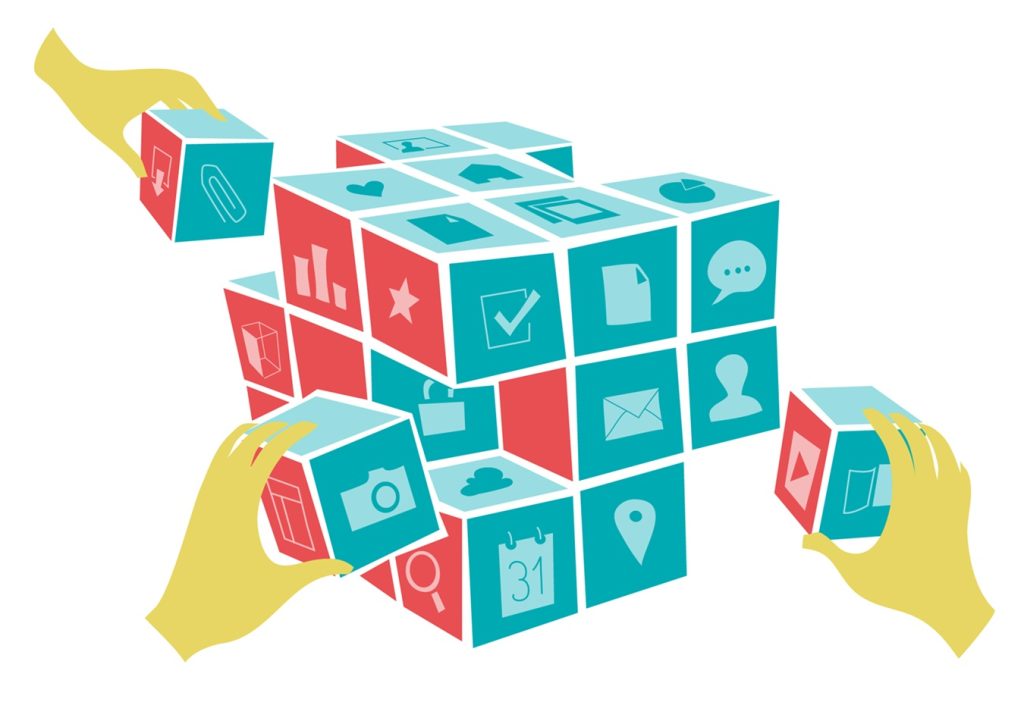
Creating content from scratch every single day is exhausting. Most creators know this feeling well—the blank screen, the pressure to post, the scramble for ideas. But there’s a smarter way to work. Modular content libraries on Instagram give you a structured bank of reusable content pieces that you can mix, match, and repurpose across your feed. Instead of reinventing the wheel with every post, you draw from a system you’ve already built. The result is less stress, more consistency, and a feed that feels cohesive rather than cobbled together at the last minute.
What Modular Content Libraries on Instagram Actually Are
A modular content library isn’t just a folder of old posts. It’s a deliberately organized system of content components—individual pieces designed to work both independently and together. Think of it like building blocks. Each block serves a specific purpose: to educate, to inspire, to promote, or to connect. When you arrange those blocks intentionally, they form a complete, functional content strategy. Modular content libraries on Instagram work because they separate the creative work from the publishing work, so you aren’t doing both at once under pressure every time you need to post something new.
What counts as a module
A module is any self-contained piece of content that can stand alone or combine with others. It might be a Carousel template you fill with new tips each week. Or, it could be a short Reel format you repeat with different topics. On the other hand, it might even be a caption structure—an opening hook, a value section, and a call to action—that you reuse with fresh details. Modules aren’t copies of old content. They’re repeatable frameworks that make content creation faster, more consistent, and far less dependent on daily creative inspiration to keep your account active.
Why this approach works so well
The modular approach works because it plays to how the brain actually processes information. Audiences respond well to familiar formats. When followers recognize your content structure, they know what to expect and engage more readily. Meanwhile, you benefit from the efficiency of working within a system rather than starting fresh each time. Modular content libraries on Instagram also make delegation easier. If you ever bring on a team member or virtual assistant, a clear library gives them a framework to follow without needing to guess at your creative voice or reinvent your format from scratch every week.
How to Plan Your Modular Library Before You Build a Content Library
Before you create anything, you need a clear plan. Start by identifying the core themes or content pillars that your account covers. Most accounts work well with three to five pillars. For example, a fitness coach might use education, motivation, client results, nutrition tips, and personal story. Each pillar becomes a category in your modular library. Within each category, you’ll develop specific module types—repeatable formats that consistently deliver that pillar’s message. Planning this structure first saves enormous time later and ensures your library actually reflects your brand rather than becoming a random collection of disconnected content pieces.
Mapping your module types
Once your pillars are set, map out the specific module types within each one. For each pillar, aim to develop two or three distinct formats. One might be a talking-head Reel. Another might be a five-slide Carousel. A third might be a single graphic with a bold text overlay. Each format should feel native to Instagram while also fitting your brand style clearly. When you map your module types this way, you create a matrix—pillars across the top, formats down the side—and every cell in that matrix is a potential piece of content. Suddenly, your content calendar fills itself with far less effort than before.
Deciding how many modules you need
A common question is: how many modules does a solid modular library actually require? The honest answer depends on your posting frequency. If you post five times a week, you need enough modules to cover roughly four to six weeks of content before repeating anything noticeably. That typically means building twenty to thirty distinct modules at minimum. However, because modules are frameworks rather than fixed posts, a single module type can produce dozens of unique posts simply by swapping the topic or example inside the format. So, your library can feel much larger than the raw number of templates might suggest at first glance.
How to Build a Content Library Step by Step
To build a content library effectively, work in focused creation sessions rather than daily one-off posts. Block out dedicated time—a few hours once or twice a month—purely for content production. During these sessions, batch-create as many modules as possible. Film multiple Reels in one sitting. Write ten captions using the same framework. Design a full set of Carousel templates at once. This batching approach dramatically reduces the mental overhead of content creation, because you stay in one creative mode for an extended period rather than constantly switching between ideation, writing, designing, filming, and editing throughout every single week.
Organizing your library for easy access
A library you can’t navigate quickly isn’t much of a library. So, organization is just as important as creation. Use a tool like Notion, Google Drive, or Airtable to house your modules in clearly labeled folders or databases. Tag each piece with its content pillar, format type, and current status—draft, ready to post, or already published. This tagging system lets you pull the right module fast when you’re building your content calendar. Modular content libraries on Instagram only deliver their full efficiency benefit when you can find what you need in seconds, not minutes of scrolling through disorganized folders or camera rolls looking for the right file.
Keeping your library fresh over time
A library that never gets updated quickly becomes stale. Therefore, schedule a monthly review to assess what’s working and what isn’t. Pull your top-performing posts from the previous month and ask: what made these resonate? Then, create new modules inspired by those insights. Also, retire formats that consistently underperform—they’re taking up mental real estate without delivering results. Modular content libraries on Instagram should grow and evolve with your audience, not stay frozen at the moment you first built them. Think of your monthly review as a library audit that keeps the whole system relevant, high-performing, and aligned with where your account is heading.
Using Your Modular Library to Build a Content Library Workflow
Once your library exists, the real power comes from integrating it into a clear weekly workflow. At the start of each week—or each month if you batch further in advance—open your library and select modules for the upcoming schedule. Mix pillars intentionally so your feed doesn’t feel repetitive. Alternate between reach-focused modules, nurture modules, and conversion modules to cover all stages of the audience journey. This selection process should take no more than thirty minutes when your library is well-organized and well-stocked. You’re no longer creating—you’re simply curating from a system you’ve already built and trust completely.
Customizing modules without starting over
One of the biggest advantages of a modular library is that customization doesn’t mean starting from scratch. You take an existing framework and swap the specific details—the topic, the example, the headline, the hook. The underlying structure stays intact. This means you can tailor content to trending topics, seasonal moments, or audience questions without abandoning the consistency your library provides. For instance, if a question comes up repeatedly in your comments, you can pull an education module from your library, update the content to answer that question specifically, and publish it quickly—without the usual time investment of building a new post entirely from scratch.
Repurposing across formats within the library
A single idea doesn’t have to live in just one format. A strong insight you share in a Reel can also become a Carousel, a Stories series, and a caption-only post—all from the same core concept, all housed in your modular library as separate modules. This cross-format repurposing multiplies the value of every idea you generate. Modular content libraries on Instagram make this repurposing systematic rather than occasional. Instead of repurposing only when you feel like it, you build repurposing into the library’s structure from the very beginning, so every idea automatically has multiple formats assigned to it before you even sit down to create.
The Role of Templates in a Modular Library
Templates are the backbone of any strong modular library. A template is the visual or structural shell of a module—the design layout, the caption structure, the Reel format—that stays consistent while the content inside it changes. Well-designed templates make your feed look polished and intentional without requiring a professional designer for every single post. Most creators build their templates in Canva, Adobe Express, or a similar tool, then save master versions that they duplicate and fill in for each new post. Modular content libraries on Instagram built on strong templates produce feeds that look cohesive, branded, and professional at a fraction of the usual time and effort.
Designing templates that scale
Not all templates are created equal. The best ones are flexible enough to accommodate different amounts of text, different image orientations, and different topic lengths without breaking their visual structure. When you design your templates, build in that flexibility deliberately. Use text boxes that can expand. Choose layouts that work with both landscape and portrait images. Avoid overly rigid designs that only work for one very specific content type. A modular library template should feel like a well-fitted suit—structured enough to look sharp, but flexible enough to work across a wide variety of occasions without needing to be remade from the ground up every time you use it.
Balancing consistency with variety
A common concern about templates is that they’ll make your feed look repetitive or formulaic. However, the solution isn’t to abandon templates—it’s to build enough variety into your template set that repetition isn’t obvious. If you have three Carousel templates, two Reel formats, and two single-image layouts per content pillar, your feed will feel varied and dynamic even though every post follows a familiar underlying structure. Modular content libraries on Instagram work best when they strike this balance deliberately. Consistency builds brand recognition. Variety keeps audiences engaged. Together, they create a feed that feels both familiar and fresh—which is exactly what strong Instagram growth requires.
Why Modular Content Libraries on Instagram Pay Off Long Term
The upfront investment to build a content library feels significant. It takes focused time, clear planning, and a willingness to think systemically rather than reactively. But that investment pays back many times over. Once your library is built, content creation becomes a matter of selection and light customization rather than daily invention. Your posting becomes more consistent because the barrier to publish is dramatically lower. Your brand becomes more recognizable because your formats repeat with purpose. And your creative energy—freed from the daily scramble—can go toward strategy, community building, and growth activities that move your account forward in ways that posting alone never could accomplish on its own.
Scaling your content without scaling your effort
As your account grows, your content demands grow with it. More followers expect more value. So, more platforms may want your content. More products or services may need promotion. A modular library scales with you in a way that ad-hoc content creation simply can’t. Because the frameworks are already built, adding volume means filling more modules—not redesigning your entire approach from scratch. This scalability is one of the most valuable long-term benefits of modular content libraries on Instagram. You can double your output without doubling your hours, because the system does the heavy structural lifting that used to eat up most of your creative time and mental energy each week.
Building an asset that compounds over time
Finally, a modular library is a genuine business asset—not just a productivity tool. Every module you add makes the library more valuable. Further, every template you refine makes future content easier to produce. Finally, insight you document from past performance makes future decisions smarter and faster. Over time, modular content libraries on Instagram become one of the most powerful competitive advantages a creator or brand can have. While others start from zero every week, you draw from a growing, organized, battle-tested system that gets stronger the longer you use it. That compounding advantage is what ultimately separates accounts that struggle from accounts that scale with confidence and consistency.
Contact VerifiedBlu to talk about how we can help you grow your Instagram followers organically and authentically.
