Understanding Daily Variation Cycles on Instagram

What Are Daily Variation Cycles on Instagram?
Daily variation cycles on Instagram refer to the predictable patterns of user activity that shift throughout each day. These cycles reflect when your audience is most likely to be active, engaged, and receptive to new content. Instagram’s algorithm uses these activity patterns to determine how and when to distribute posts to different segments of your audience. Understanding these cycles gives creators a meaningful advantage over those who publish content without regard for timing. Posting at peak activity windows or during low-engagement periods can significantly affect how widely a post gets distributed.
These cycles exist because human behavior follows natural rhythms tied to work schedules, time zones, sleep patterns, and daily routines. Most audiences show predictable spikes in activity during the early morning, the lunch hour, and the evening after work. However, the specific shape of your audience’s cycle depends heavily on their demographics, geographic location, and lifestyle patterns. Therefore, understanding daily variation cycles on Instagram requires more than knowing general best-practice timing windows. It requires analyzing the behavioral data of your audience rather than applying universal rules don’t match your followers’ real habits.
The concept of daily variation cycles also extends beyond simple peak and off-peak windows. Instagram’s distribution system responds dynamically to engagement velocity — how quickly a post accumulates interaction signals after it is published. Consequently, a post published just before a peak activity window can build momentum rapidly as those active users encounter it. By contrast, a post published after the peak has passed enters a slower engagement environment and may never accumulate the early signals it needs to earn broad distribution. Therefore, understanding cycle timing means understanding how to position your content to ride engagement momentum rather than fight against it.
How the Cycles Shift Windows
Daily variation cycles directly influence how Instagram’s algorithm allocates distribution resources at any given hour. During high-activity periods, more users are online and generating engagement signals simultaneously. The algorithm uses this dense engagement data to make faster and more confident decisions about which posts to promote. Therefore, content published during high-activity windows tends to receive faster initial distribution and broader early reach. Understanding how daily variation cycles on Instagram shift distribution windows allows creators to time their posts with precision rather than relying on guesswork or generic scheduling advice.
During low-activity periods, the algorithm operates with less real-time engagement data to process. Posts published during these windows enter a quieter distribution environment where early signals accumulate more slowly. This slower accumulation does not necessarily doom a post to poor performance, but it does mean that the initial distribution window extends over a longer period. Furthermore, low-activity posts face less competition from other content, which can occasionally work in their favor. Nevertheless, for most creators targeting maximum reach, high-activity windows offer a more reliable path to strong early performance. The key is to understand exactly when those windows occur for your specific audience.
The way daily variation cycles shift distribution windows also affects different content formats in distinct ways. Reels tend to benefit most from peak-hour publishing because their discovery depends heavily on rapid early engagement. Carousels and static posts can perform well with slightly more flexible timing because the algorithm can re-serve them over a longer period. Stories, by contrast, have a 24-hour lifespan and are best published close to peak activity windows to maximize the number of followers who see them before they expire. Therefore, aligning your content format choices with your understanding of daily variation cycles creates a compounding timing advantage across your entire content mix.
Planning/Scheduling Around Your Audience’s Daily Cycle
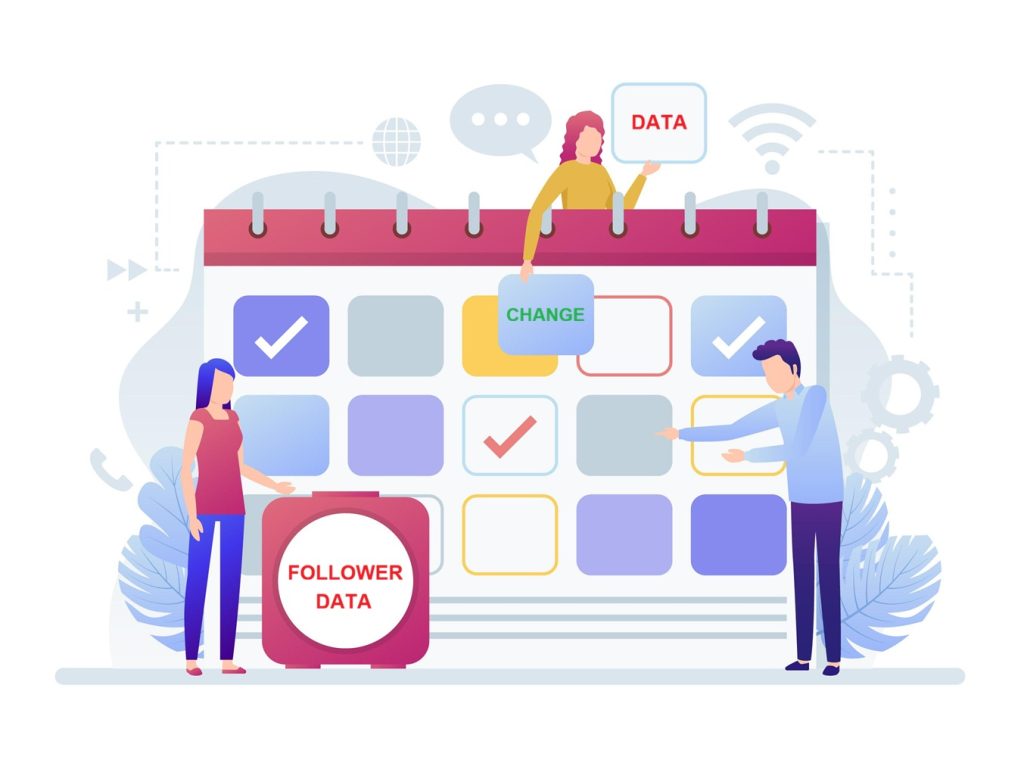
Effective planning and scheduling starts with a thorough review of your Instagram Insights data. The audience activity section of Insights shows when your followers are most active by hour and day of the week. This data provides the foundation for building a posting schedule that aligns with your specific audience’s behavioral patterns. However, it is important to look at this data over time rather than relying on a single week’s snapshot. Daily variation cycles on Instagram can shift gradually as your audience grows and evolves. Therefore, revisiting your Insights data monthly ensures that your schedule stays aligned with your audience’s current habits.
Once you have identified your peak activity windows, the next step is to build a content calendar that places your highest-priority posts within those windows consistently. Your most important content — new product announcements, high-effort Carousels, and key Reels — deserves the strongest possible timing support. By contrast, lower-priority content like casual Stories updates or simple single-image posts can occupy off-peak slots without significant performance risk. Furthermore, spacing your posts strategically throughout the week prevents audience fatigue and ensures that each piece of content gets a fair share of your followers’ attention. That spacing discipline is a core principle of effective planning and scheduling on the platform.
Scheduling tools can help creators maintain timing discipline. Tools like Later, Buffer, and Meta‘s own Business Suite allow you to prepare content in advance and publish it automatically at your chosen time. However, one important caveat applies. Automated publishing should not replace active engagement following a post going live. Early manual engagement generates additional behavioral signals that support distribution. Therefore, planning and scheduling tools work best when combined with a commitment to active community management during peak engagement periods.
How Weekly Patterns Extend The Cycles
Daily variation cycles on Instagram do not operate in isolation. They interact with weekly patterns that create an additional layer of timing complexity. Different days of the week produce meaningfully different engagement environments depending on your audience’s lifestyle and routines. For most audiences, midweek days — particularly Tuesday through Thursday — tend to generate stronger engagement than Mondays or weekends. However, this pattern varies significantly across different audience types. A creator whose audience consists primarily of working professionals will see very different weekly patterns than one whose followers are students or stay-at-home parents.
Understanding weekly patterns allows creators to plan content variety across the full seven-day cycle rather than simply optimizing each post in isolation. For example, publishing your most ambitious and high-effort content on your strongest engagement days gives that content the best possible audience response. Meanwhile, saving lighter, more casual content for lower-engagement days maintains posting consistency without wasting your best material on a weaker window. Additionally, this approach prevents the common mistake of publishing two high-effort posts on consecutive strong days, which causes them to compete with each other for the same pool of audience attention.
Weekly patterns also interact with platform-wide activity shifts that affect all accounts simultaneously. Events like public holidays, major cultural moments, and seasonal transitions can temporarily reshape normal daily variation cycles on Instagram for entire audience segments. During holiday periods, for example, activity patterns often shift earlier in the day and concentrate more heavily on weekends. Creators who track these broader shifts and adjust their scheduling accordingly maintain a timing advantage even when their audience’s normal cycle is temporarily disrupted. Therefore, treating your posting schedule as a dynamic and responsive system rather than a fixed routine produces consistently stronger results over time.
How to Use Daily Variation Cycles to Shift Distribution Windows Strategically
The most sophisticated use of daily variation cycles involves deliberately positioning content to shift distribution windows in your favor. This means publishing content slightly before a peak activity window rather than at its exact peak. When you publish just ahead of a surge in user activity, your post has a head start on accumulating engagement signals. By the time the peak arrives, your post already has momentum. The algorithm interprets that early momentum as a strong quality signal and accelerates distribution precisely when the most users are online to see it. Consequently, this pre-peak timing strategy can meaningfully amplify the reach of well-crafted content.
Understanding how to shift distribution windows also involves recognizing the role of time zones for audiences that span multiple regions. If your audience is geographically diverse, a single peak activity window may not represent all of your followers equally. Targeting the time zone of your largest or most engaged audience segment tends to produce the best results. Some creators publish the same type of content twice within a single day. This captures peak windows in different time zones. This approach requires careful content differentiation to avoid audience fatigue. It can significantly extend the total reach of a single content theme.
Another approach involves using Stories to prime your audience before a major post. Publishing an engaging Stories post an hour before a Reel or Carousel increases the likelihood that active followers are already engaged. That can accelerate the early engagement accumulation that drives algorithmic distribution. Additionally, using countdown stickers or teaser content in Stories creates anticipation that brings followers back to your profile at a specific time. Over time, this approach trains your audience to expect and actively seek out your content at predictable intervals, which further strengthens your daily variation cycle advantage.
Planning and Scheduling for Different Content Formats
Different content formats respond differently to timing. Effective planning and scheduling accounts for these distinctions. Reels are the most timing-sensitive format on the platform. Reels depend on rapid early engagement to earn placement in non-follower discovery feeds. Publish them as close to your peak activity window as possible. Even a one-hour difference in timing can produce a measurable difference in initial reach. Reels deserve the most precise timing of all your content formats. Identify your single strongest daily window and reserve it consistently for your most important Reels.
Carousels occupy a middle position in the timing sensitivity spectrum. They benefit from peak-hour publishing but are somewhat more forgiving than Reels because Instagram can re-serve them with a different slide preview if the initial distribution underperforms. Furthermore, Carousels tend to earn higher save rates than other formats, and save behavior can extend a post’s effective distribution window well beyond its initial publication period. Consequently, Carousels published in a strong but not peak window can still achieve excellent long-term performance if the content quality merits repeated saves and shares. Planning and scheduling Carousels in the hour before your peak window is generally a reliable approach.
Static image posts and text-based content are the least timing-sensitive formats in most cases. They generate strong engagement from highly committed followers regardless of the exact hour, but they rarely earn broad discovery distribution in the way that Reels and Carousels can. Therefore, static posts can occupy your off-peak slots without significant performance risk. Understanding these format-specific timing differences allows you to build a posting schedule where every slot serves a purpose. Peak windows go to your highest-priority, most discovery-oriented content, while off-peak slots support community maintenance and brand consistency. That structure maximizes the value of daily variation cycles on Instagram across your entire content calendar.
Conclusion
Daily variation cycles on Instagram are a powerful and often underused dimension of content strategy. Creators who understand how these cycles work, how they shift distribution windows, and how to align their planning and scheduling around them gain a consistent timing advantage that compounds over time. The algorithm rewards content that arrives at the right moment with the right early signals. By treating timing as a strategic layer of your content approach — rather than an afterthought — you give every post the strongest possible foundation for reach, engagement, and sustainable long-term growth on the platform.
VerifiedBlu can help you grow your Instagram followers organically and authentically. Contact us today.