How to Do Content Batching on Instagram

What Content Batching on Instagram Really Means
Many creators struggle to keep up with a consistent posting schedule. The pressure to produce fresh content every day can feel overwhelming. Fortunately, there is a smarter way to work. Content batching on Instagram means to create multiple pieces of content in a single focused session. Instead of stopping your day repeatedly to produce new content, you set aside dedicated time to build a library of posts all at once. Furthermore, this approach reduces decision fatigue and keeps your creative energy focused. It is one of the most effective productivity strategies available to Instagram creators today.
The concept is simple. When you group similar tasks together, you work more efficiently. Your brain does not have to switch between different modes of thinking as frequently. For example, filming multiple Reels in one session is faster than filming one Reel on different days. Similarly, writing five captions at once takes less time than writing one caption each day for five days. Moreover, batching puts you in a creative flow state that produces better results. You warm up creatively at the start of the session, and then your ideas build on each other. As a result, your overall content quality often improves.
Content batching on Instagram also gives you a buffer. When life gets busy, you have a reserve of ready-made posts to draw from. You don’t need to scramble to create something at the last minute. Furthermore, having content prepared in advance reduces stress significantly. Many creators report feeling more relaxed and in control after they adopt a batching workflow. Instead of reacting to the pressure of posting daily, you operate from a position of preparedness. This shift in mindset alone can transform how you feel about your Instagram presence and your creative work overall.
How to Plan Before You Create Content
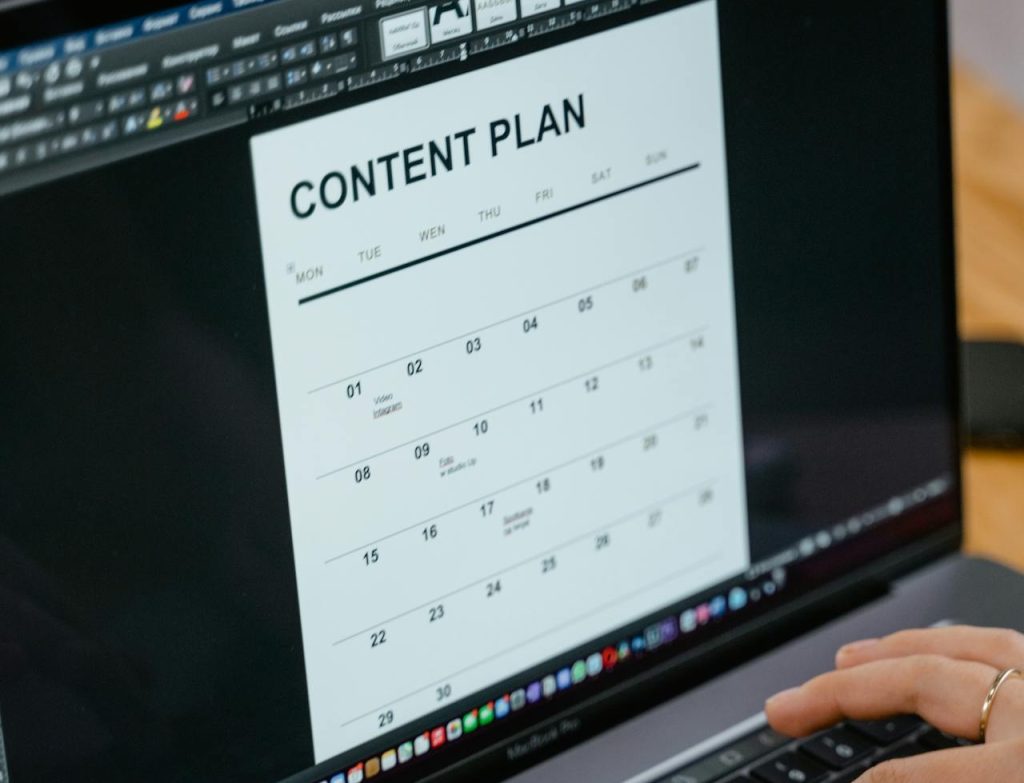
Planning is the foundation of a successful batch session. First, decide how many posts you want to create per session. A common goal is to produce one to two weeks of content at a time. Next, map out your content calendar. Decide which days you will post and what type of content each slot will contain. For example, you might plan a Reel on Monday, a Carousel on Wednesday, and a Stories series on Friday. Align your content plan with any upcoming campaigns, product launches, or seasonal events. A clear plan makes the creation process much smoother.
Before your batch session, spend time on idea generation. Collect your ideas in a single document. Draw inspiration from your audience’s questions, trending topics in your niche, and your own past top-performing content. Look at your analytics to understand what formats and topics your audience responds to most. This data should guide your content plan directly. Moreover, brainstorm more ideas than you think you need. Extra ideas give you flexibility. If one concept doesn’t come together as planned, you can pivot to another idea without losing momentum. Thorough preparation is what separates an effective session from a chaotic one.
Prepare all your resources before the session begins. Gather your props, outfits, backgrounds, and any products you plan to feature. If you use templates for your graphics, open them and have them ready to edit. Also, charge your camera and phone fully. Clear storage space on your devices. Set up your filming location in advance. Lighting, backdrops, and framing should all be arranged before you start to record. Every minute you spend on setup is a minute you are not creating. Treat your preparation phase as seriously as the creation phase itself. It directly determines how productive your batch session will be.
How to Structure Your Batch Creation Sessions
Structure is essential for effective batching. Without a clear process, sessions can drag on for hours fruitlessly. Set a specific time block for your session. Many creators find that three to four hours is ideal. Beyond that, creative fatigue sets in and quality drops. Start with a warm-up. Spend the first ten to fifteen minutes reviewing your content plan and get into a creative mindset. Also, organize your session by content type. Film your video content first, then move to photography, and finally to graphic design. Grouping similar tasks keeps your momentum strong.
During your session, focus on volume first and perfection later. Don’t stop after every piece of content to review and edit. Instead, capture everything you planned and review it all at the end. This approach keeps your energy high and your output consistent. Use a checklist to track your progress. Check off each piece of content as you complete it. This gives you a clear sense of momentum and prevents you from losing track of what you have already created. Also, set mini-deadlines within the session. For example, aim to finish all video recording within the first 90 minutes. Mini-deadlines help you stay on pace.
After the creation phase, move to editing and finishing, where you refine your videos, write your captions, select your hashtags, and prepare for publishing. Keep this phase separate from the creation phase. Switching between filming and editing repeatedly breaks your flow and slows you down. Therefore, complete all your raw content first. Then, edit everything in one focused block. Moreover, use editing templates and presets to accelerate the process. Consistent filters and layouts reinforce your visual brand identity. Editing in bulk is one of the most time-saving aspects of content batching, and it produces a more cohesive final result.
Tools That Help You Create Content in Batches
The right tools make content batching significantly more efficient. First, use a scheduling tool to publish your content automatically. Apps like Later, Buffer, and Meta Business Suite allow you to upload posts in advance and set specific publish times. This means you can complete an entire week of content in one session. The tool handles the rest. Scheduling tools often include analytics features that help you to identify your best posting times. As a result, your content reaches more people without any additional daily effort on your part. Scheduling must be in the workflow.
For design and graphics, tools like Canva are extremely useful for batch creation. Canva allows you to create templates that you can duplicate and edit quickly without designing each post from scratch. Simply swap out the text and images in your existing templates. This saves enormous amounts of time while keeping your visual identity consistent. Canva’s Brand Kit feature lets you store your colors, fonts, and logos in one place. Everything is ready to apply instantly. Also, consider using CapCut or Adobe Premiere Mobile for video editing. Both tools offer templates and presets that speed up the editing process considerably.
Organization tools are equally important to for content batching. Use a content calendar tool like Notion, Trello, or Google Sheets to track your ideas, drafts, and scheduled posts. These tools give you a visual overview of your entire content pipeline. Furthermore, create a dedicated folder system on your device for your batch content. Label folders clearly by date and content type. This makes it easy to find files quickly. Also, use cloud storage to back up your content as you create it. Losing a batch of finished content due to a technical issue can be prevented by good organization habits.
How to Stay Consistent
One of the greatest benefits of content batching is consistency. However, batching alone does not guarantee consistency. You also need a reliable publishing workflow. Therefore, after each batch session, upload all your finished content to your scheduling tool immediately. Don’t wait. The longer you delay the upload, the more likely life will interrupt your plans. Set your post times based on your audience’s peak activity hours. Build a buffer of at least one week between your batch session and your first scheduled post, to make last-minute adjustments if needed.
Hold your batch sessions on a regular schedule. Some creators batch once a week, while others batch twice a month. The right frequency depends on how often you post. If you post five times a week, you may need weekly batch sessions. If you post three times a week, biweekly sessions may be enough. Furthermore, treat your batch sessions as non-negotiable appointments. Block the time in your calendar and protect it from interruptions. Tell the people around you that this time is reserved for focused work. Consistent batch sessions lead directly to consistent posting, which the Instagram algorithm rewards.
It is also important to leave room for flexibility within your batch schedule. Content batching on Instagram works best when it is combined with a small amount of spontaneous content. Real-time events, trending topics, and timely moments can generate strong engagement. Therefore, don’t fill your content calendar with batched posts. Leave one or two slots per week open for reactive content. This balance keeps your account feeling current and authentic while still benefiting from the efficiency of batching. Furthermore, review your scheduled content before it goes live. Make sure each post still feels relevant and timely. A quick review takes only minutes but keeps your content sharp.
Common Mistakes to Avoid
Many creators make avoidable mistakes when they first start batching. The most common mistake is batching too much at once. Creating four weeks of content in one session sounds efficient, but it’s usually not realistic. Creative fatigue sets in, and quality drops sharply toward the end of the session. Therefore, start with smaller batches and gradually increase your output as you build stamina and refine your process. Also, don’t sacrifice quality for volume. Ten strong posts are more valuable than twenty mediocre ones. Your audience can tell the difference, as can the algorithm.
Another common mistake is to ignore analytics during the planning phase. Some creators batch content based purely on what they feel like creating rather than what their audience actually wants. As a result, their content performs poorly even though they invested significant time to create it. Therefore, always review your performance data before each batch session. Identify your top posts from previous weeks and understand why they performed well. Note which content types are currently getting the most reach. Let that data shape your next batch. Data-informed batching produces better results than intuition-based batching, especially in a competitive niche.
Finally, many creators forget to repurpose their batched content across multiple formats. A single idea can become a Reel, a Carousel, a Stories series, and a caption topic. Think about repurposing during the planning phase. Build your batch plan around core ideas that you can stretch across different formats. This approach multiplies your output, not your workload. Moreover, repurposed content reaches different segments of your audience. Some followers prefer Reels, while others engage more with Carousels. By covering multiple formats, you maximize your content’s reach and impact. Repurposing is one of the smartest strategies to make content batching on Instagram work harder for you.
Why Content Batching Is Worth the Investment
Content batching on Instagram requires an upfront investment of time and energy. However, the long-term returns far outweigh the initial effort. First, batching frees up your daily schedule dramatically. Instead of spending time every day to think about what to post, you dedicate focused sessions to creation and then step away. This freedom allows you to invest more energy in other areas of your business. Furthermore, when you are not constantly in content creation mode, you can be more present in your community. You can spend more time to engage with your followers, respond to DMs, and build real relationships. These interactions drive long-term growth.
Batching also improves your content quality over time. As you repeat the process, you get faster and more skilled at each stage. Your planning becomes sharper, your filming becomes smoother, and your editing becomes more efficient. Moreover, you develop a stronger sense of your own content system and creative voice. Each batch session builds on the last. Furthermore, the consistency that batching enables helps you to build audience trust. Followers who see regular, high-quality content learn to expect and anticipate your posts. That anticipation translates directly into higher engagement and stronger algorithmic performance across your account.
Conclusion
Ultimately, content batching on Instagram is about working smarter, not harder. It aligns your creative energy with your business goals. It reduces stress, improves consistency, and produces better content. Therefore, if you are not already batching, now is the time to start. Begin with one focused session and see how much you can produce. Also, refine your process after each session. Take notes on what worked and what slowed you down. Over time, you will develop a batching workflow that feels natural and sustainable. Furthermore, you will wonder how you ever managed your Instagram presence without it. Batching is not just a tactic. It is a smarter way to build your brand.
Contact VerifiedBlu to talk about how we can help you grow your Instagram followers organically and authentically.