
Understand Save-to-share Ratios on Instagram
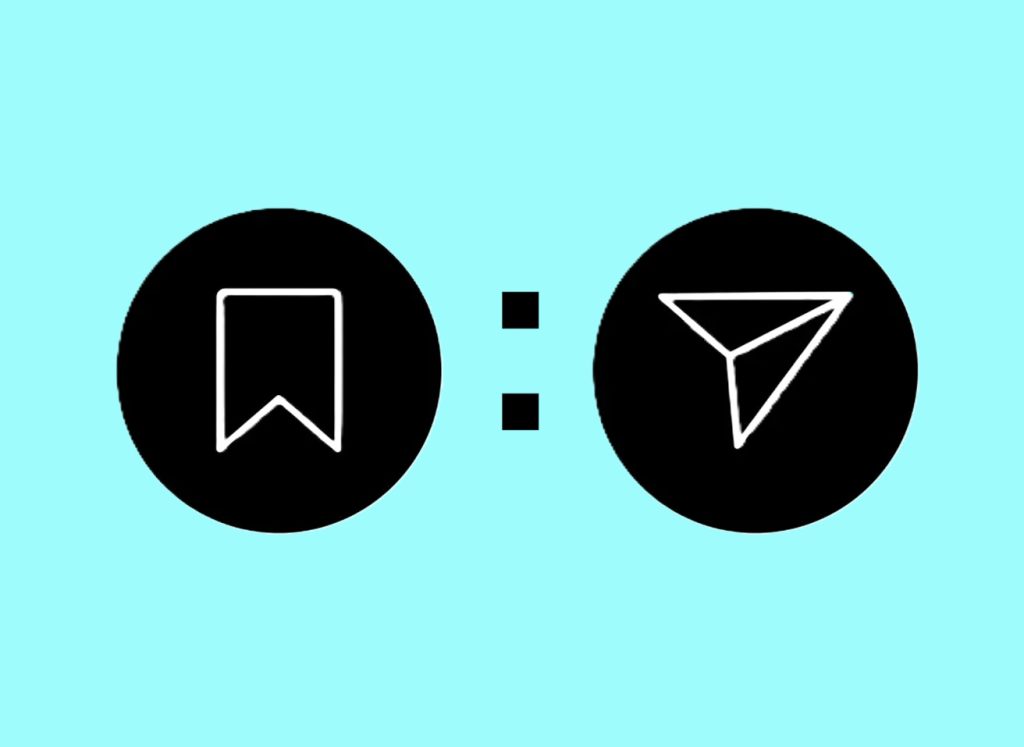
Most creators track likes and follower counts obsessively. Those numbers are visible, immediate, and satisfying to watch climb. But they don’t tell you much about whether your content is actually working at a deeper level. Save-to-share ratios on Instagram are a far more revealing metric—and almost nobody talks about them. It’s important that you understand what this ratio measures and why it matters. It will give you access to a quality signal that most of your competitors are completely ignoring. That blind spot is your opportunity to grow smarter and faster than the accounts around you.
What Save-to-Share Ratios on Instagram Actually Measure
A save-to-share ratio compares two distinct audience behaviors. A save means someone found your content valuable enough to return to later. A share means someone found it compelling enough to send to another person or post to their own Stories. Both actions signal genuine engagement—but they signal very different things about how your audience experiences your content. Together, they form a ratio that reveals something no other single metric can show you on its own. Understanding what each behavior means individually is the first step toward using the ratio strategically. That understanding will be a tool to improve your content and grow your account.
What Saves Tell You About Your Content
A save is a private, intentional act. Nobody saves a post to impress anyone else—they save it because it holds personal value for them specifically. When someone saves your content, they’re telling the Instagram algorithm and telling you that your post was worth keeping. High save rates typically indicate that your content is educational, deeply practical, or emotionally resonant in a lasting way. Therefore, content that consistently earns saves tends to be reference material. That means posts people plan to revisit, act on later, or use as a resource. A high save rate is a clear signal that your content has genuine substance beyond surface-level entertainment or momentary appeal.
What Shares Tell You About Your Content
A share is a social, outward-facing act. When someone shares your post to their Stories or sends it directly to a friend, they’re putting their own reputation behind your content. That’s a meaningful threshold to clear. Shares indicate that your content resonated strongly enough that someone felt compelled to connect it to another person or to their own audience. High share rates typically signal that your content is relatable, surprising, funny, or timely in a way that feels worth passing along. Shares also drive non-follower discovery directly and powerfully. Every share exposes your content to a brand-new audience that you didn’t have to reach through the algorithm alone.
Why This Ratio Is a Hidden Quality Signal Worth Tracking
Save-to-share ratios on Instagram function as a hidden quality signal precisely because most creators don’t monitor them together as a combined data point. They might check saves separately. They might notice shares. But very few creators look at the relationship between the two numbers and ask what that relationship actually reveals about how different audience segments are responding to their content. When you start to read that ratio deliberately and consistently, you begin to see patterns that pure engagement metrics simply can’t show you. Those patterns point directly toward what your content does well—and what it needs to do better to grow your account more effectively.
How the Ratio Reveals Content Gaps
A high save rate with a low share rate tells a specific and actionable story. Your content is valuable—people want to keep it—but it isn’t resonating emotionally or socially enough to pass along to others. That gap suggests your content might be too niche, too dry, or too inward-focused to travel beyond your existing audience. Conversely, a high share rate with a low save rate suggests your content is entertaining and shareable but perhaps lacks the depth or practical value that makes people want to hold onto it. Both imbalances point toward a clear creative adjustment you can make immediately. That’s what makes this ratio a directly actionable metric rather than just an interesting data point.
Why Most Creators Overlook This Signal
Most creators overlook save-to-share ratios for a simple reason: likes and follower counts are more emotionally rewarding to track. A spike in likes feels good instantly. A new follower notification delivers immediate feedback. Saves and shares require you to dig into your Analytics tab rather than simply glance at your post. Furthermore, the relationship between the two numbers requires an extra step of interpretation that most creators never take the time to make. That’s exactly why this metric represents such a significant opportunity. When you’re willing to do the analytical work that your competitors skip, you consistently gain insights they don’t have access to—and your content strategy improves accordingly.
How to Calculate and Track Save-to-Share Ratios on Instagram
To calculate your save-to-share ratio, divide your total saves by your total shares for a given post. A ratio of 3:1 means three people saved your content for every one person who shared it. A ratio of 1:3 means three people shared it for every one who saved it. Neither ratio is inherently better than the other—what matters is what the ratio tells you about that specific piece of content and how it performed relative to your other posts. Tracking this number consistently across multiple posts is what transforms it from an isolated data point into a genuinely useful pattern you can act on with confidence.
How to Pull This Data From Instagram Analytics
Instagram’s native Analytics make it straightforward to find both saves and shares for any post. Navigate to your professional dashboard, select a specific post, and scroll to the interactions section. You’ll find saves and shares listed clearly alongside other engagement metrics. Record both numbers for each post you publish—ideally in a simple spreadsheet that lets you compare ratios across content types, topics, and formats over time. Many creators track this weekly. Others review it monthly. Either cadence works well as long as you’re consistent and disciplined enough to actually use the data to inform your next round of content decisions rather than simply collecting numbers.
What Ratios to Aim For
There’s no single universal benchmark for a good save-to-share ratio. It varies significantly by niche, content format, and audience type. Educational accounts in niches like personal finance or marketing tend to generate higher save rates. Entertainment and humor accounts tend to generate higher share rates. Therefore, your most useful benchmark isn’t an industry average—it’s your own historical average. Tracking your ratio across twenty or thirty posts gives you a clear sense of what’s normal for your account specifically. From that baseline, any post that significantly outperforms your average in either direction becomes a learning opportunity. It’s worth analyzing carefully and deliberately.
How to Use Save-to-Share Ratios on Instagram to Improve Your Content
Once you understand your ratio, use that information to make deliberate improvements to your content strategy. This is where save-to-share ratios on Instagram shift from being an interesting analytical observation to being a directly actionable metric. That metric has real creative implications. The goal isn’t to chase one specific ratio at the expense of the other. The goal is to design content that earns both saves and shares consistently. Content that does both is content that grows your account through multiple channels simultaneously and compounds over time.
How to Create More Save-worthy Content
To increase your save rate, focus on producing content that people genuinely want to return to later. Step-by-step guides, resource lists, templates, frameworks, and detailed how-to posts all perform strongly on saves. The key is that the content needs to feel incomplete in some way without a second viewing—not because you withheld information, but because there’s enough substance that one pass through isn’t sufficient to absorb everything. Additionally, presentation matters for saves. A well-organized Carousel with clear, scannable structure is far more likely to get saved than a dense paragraph of text in a caption. Design your content so that returning to it feels easy and worthwhile every single time.
How to Create More Share-worthy Content
To increase your share rate, focus on content that triggers an emotional response. That response must be strong enough to make someone think of a specific person or group immediately. The most shareable content tends to fall into recognizable categories. That means it’s surprising, deeply relatable, or genuinely funny. It’s timely, or it captures something your audience has always felt but never seen expressed clearly before. Relatability is particularly powerful on Instagram. When someone reads your post and thinks, “This is exactly my friend’s situation,” they share it without hesitation. Therefore, write captions and create visuals that speak directly to specific, recognizable experiences your audience lives through. That will naturally increase the social momentum behind every piece of content you publish.
How to Build a Content Strategy Around This Hidden Quality Signal
Save-to-share ratios on Instagram become most powerful when you stop treating them as a post-level metric. Instead, start treating them as a strategic planning tool. The patterns you observe across weeks and months of data should directly inform what you create next. It should also affect how you format it, and which topics you double down on versus deprioritize. Most creators make content decisions based on gut feeling or trend-chasing. When you make those same decisions based on your own ratio data instead, your strategy becomes evidence-based. That will compound meaningfully over time and consistently produce better results.
How to Identify Your Best-performing Content Categories
Group your posts by content category—educational, inspirational, entertaining, promotional—and calculate the average save-to-share ratio for each group. The results will almost certainly surprise you. Some categories will consistently generate strong saves but weak shares. Others will do the opposite. A few might perform well on both. Those dual-performing categories are your sweet spot. They represent the intersection of depth and social appeal—content that’s valuable enough to keep and compelling enough to pass along. When you identify those categories clearly, prioritize them in your content calendar going forward. Allocate more of your creative energy to what the data tells you is already working rather than what feels right intuitively.
How to Test New Content Ideas Against Your Ratio Baseline
Use your established ratio baseline to evaluate new content ideas before you invest heavily in producing them. When you develop a new content concept, ask yourself two questions explicitly. First, is there enough practical depth here that someone would want to save this for later? Second, is there enough emotional resonance or relatability here that someone would want to share this with another person? If the honest answer to both questions is yes, that concept has real potential to perform well across both dimensions. If not, consider how you might adjust the angle, format, or framing before you publish. That simple pre-production filter, applied consistently, will improve your average ratio over time. It will make save-to-share ratios on Instagram one of the most valuable tools in your entire content strategy.
Likes are easy to chase. Follower counts are satisfying to watch. But neither metric tells you what your content is actually doing for the people who encounter it. Save-to-share ratios give you a window into two distinct and deeply meaningful audience behaviors. The relationship between those behaviors reveals more about your content quality than almost any other number available to you. Track this ratio consistently, interpret it honestly, and use it to make deliberate improvements. That will always give you a clearer picture of what’s working than those who don’t. That clarity is a genuine competitive advantage on a platform where most creators are still navigating by feel alone.
Contact VerifiedBlu to talk about how we can help you grow your Instagram followers organically and authentically.
