
When AI is a Bad Liar: Challenges of AI on Instagram
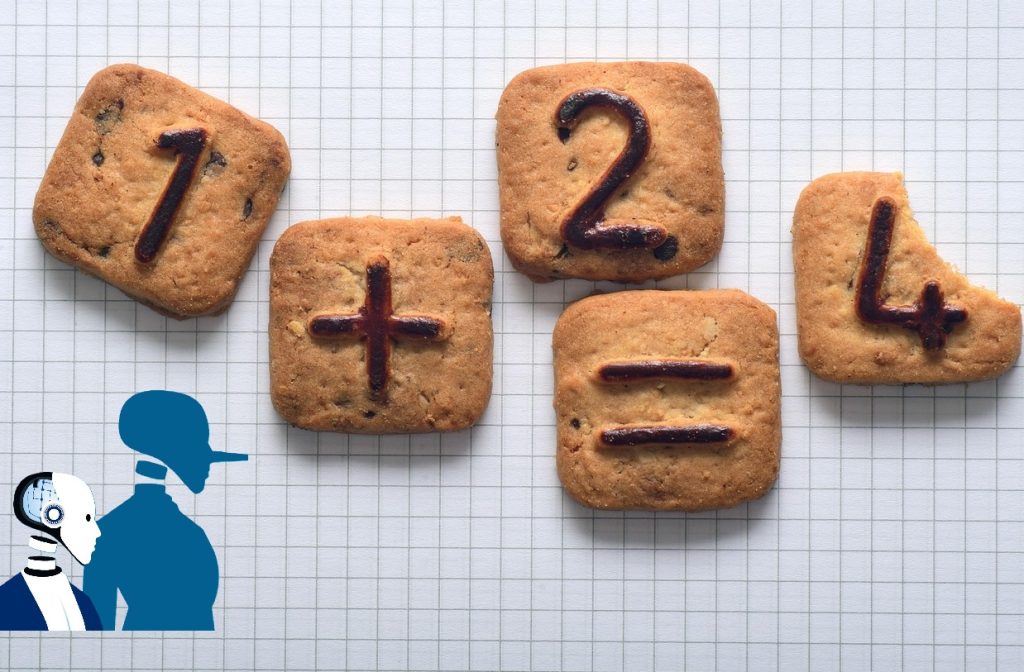
Artificial intelligence has become deeply embedded in our digital lives. From Google’s AI-generated summaries to Instagram’s automated content recommendations, these systems shape how we consume information. However, AI often fails spectacularly. It confidently presents false information as fact. Understanding why AI makes these mistakes matters for anyone using social media. This exploration reveals the fundamental flaws in large language models (LLMs). Moreover, it shows how these limitations create serious challenges of AI on Instagram.
The Fundamental Inaccuracy of AI Systems
Large language models don’t actually understand truth or reality. Instead, they predict likely word sequences based on training data. Consequently, they generate plausible-sounding text without verifying accuracy. These systems lack real comprehension of the world. Furthermore, they cannot distinguish between factual information and convincing fiction. The inaccuracy of AI stems from this core limitation. Nevertheless, AI presents its outputs with unwavering confidence regardless of correctness.
Training data contains countless errors, biases, and outdated information. Additionally, the models learn patterns from this imperfect dataset. They reproduce and amplify existing mistakes. Therefore, even well-trained systems perpetuate misinformation. The challenges of AI on Instagram begin with this basic problem. Social media content generation relies on these flawed prediction mechanisms. Users often cannot identify when AI provides incorrect information.
Large language models also hallucinate entirely fabricated details. They create nonexistent statistics, fake research citations, and invented historical events. Meanwhile, the confident presentation makes these hallucinations seem credible. This behavior resembles a bad liar who improvises details poorly. However, unlike human liars, AI lacks awareness of its dishonesty. The system truly cannot recognize its own fabrications.
Why Google’s AI Summaries Frequently Mislead Users
Google’s AI Overview feature demonstrates the inaccuracy of AI very clearly. These summaries appear at the top of search results. Consequently, they carry significant authority in users’ minds. However, they frequently present wrong or nonsensical information. The system pulls fragments from various sources without verifying coherence. Therefore, it sometimes combines contradictory statements into one summary.
The AI Overview cannot evaluate source credibility or context properly. It treats satirical content as factual information. Similarly, it elevates obscure forum posts over expert sources. Furthermore, the system lacks domain expertise to judge technical accuracy. These failures create particularly severe challenges of AI on Instagram when similar systems curate content. Users expect authoritative information but receive confident misinformation instead.
Temporal awareness presents another major limitation for these summaries. Large language models struggle with understanding time-sensitive information correctly. Additionally, they mix current facts with outdated data seamlessly. The result appears authoritative but contains critical errors. Therefore, users who trust these summaries make decisions based on false premises. Instagram’s AI faces identical problems when recommending content or generating captions.
Context collapse amplifies these problems across all AI summary systems. The models compress complex, nuanced topics into brief statements. Consequently, they lose crucial qualifying details and context. Moreover, they present oversimplified information as complete truth. This reduction damages understanding while appearing helpful. The challenges of AI on Instagram multiply when context matters for creator content.
Large Language Model Architecture and Inherent Limitations
The architecture of large language models creates unavoidable reliability problems. These systems use neural networks with billions of parameters. Nevertheless, they remain fundamentally pattern-matching machines without reasoning capability. They cannot fact-check their own outputs. Furthermore, they lack mechanisms to recognize knowledge boundaries. The inaccuracy of AI directly results from these architectural constraints.
Training processes prioritize fluency over factual accuracy in most cases. Consequently, models learn to produce grammatically correct, coherent-sounding text first. Truthfulness becomes a secondary consideration at best. Additionally, the training objective rewards confident presentation regardless of how correct it is or is not. Therefore, AI systems learned to sound authoritative about everything. This creates challenges of AI on Instagram where confident misinformation spreads rapidly.
Large language models also cannot update their knowledge in real time. Their information freezes at training cutoff dates. Meanwhile, the world continues changing after that point. Subsequently, they provide outdated information without acknowledging temporal limitations. Instagram users need current trend information and accurate statistics. However, AI tools frequently provide stale or incorrect data confidently.
Retrieval-augmented generation attempts to address some limitations unsuccessfully. Even when systems search for information, they misinterpret results. Moreover, they struggle to synthesize multiple sources accurately. Therefore, adding external knowledge access doesn’t eliminate fundamental problems. The challenges of AI on Instagram persist despite technological improvements.
Why AI Resembles a Particularly Bad Liar
At its core, AI’s dishonesty differs from human lying in revealing ways. Human liars know they’re deceiving others deliberately. Conversely, AI lacks any awareness of truth or deceit. Nevertheless, it confidently asserts false information just like bad liars do. The similarity creates deep trust problems for people using AI outputs.
Bad human liars often improvise details that don’t hold together. Similarly, large language models generate inconsistent information across different responses. Furthermore, they create complicated fabrications when simple admissions of uncertainty would serve better. This behavior pattern mirrors incompetent human liars exactly. However, AI cannot learn from being caught in contradictions. The inaccuracy of AI persists despite repeated corrections.
The confidence with which AI presents wrong information particularly resembles bad lying. Skilled liars modulate certainty to seem more credible. Meanwhile, poor liars assert everything with equal conviction. AI falls into this latter category consistently. Therefore, it claims absolute certainty about made-up statistics. Subsequently, users cannot gauge reliability from presentation style alone. These challenges of AI on Instagram undermine creator trust in AI tools.
AI also doubles down on mistakes when challenged, like defensive liars. It generates additional supporting fictions rather than admitting error. Consequently, correction attempts can produce even more misinformation. Moreover, the system maintains its authoritative tone throughout these exchanges. This pattern damages user relationships and spreads compounding errors.
Inaccuracy of AI and Creator Trust
Instagram creators face severe challenges from AI’s unreliability in their work. Many creators use AI tools for caption writing and content ideas. However, the inaccuracy of AI creates serious authenticity problems. Followers expect genuine, accurate content from creators they trust. Meanwhile, AI-generated text often contains factual errors or generic claims. Therefore, creators who rely too heavily on AI risk harming their credibility.
The challenges of AI on Instagram extend to automated content moderation systems. These systems frequently misidentify harmless content as violations. Additionally, they regularly miss actual posts that break rules. Consequently, creators experience unfair penalties and inconsistent enforcement. Moreover, appeals processes cannot adequately address AI moderation errors. This creates frustration and distrust throughout the creator community.
AI-generated visual content presents another dimension of authenticity problems currently. Tools that create images often produce telltale artifacts and inconsistencies. Furthermore, AI cannot reliably generate text within images correctly. Subsequently, these flaws signal inauthenticity to observant audiences. Creators using such content risk being perceived as lazy or deceptive. The challenges of AI on Instagram grow as these tools become more common.
Audience expectations around disclosure complicate matters further for modern creators. Many platforms now require labeling AI-generated content explicitly. However, defining what constitutes AI assistance remains unclear in practice. Therefore, creators struggle with appropriate transparency levels. Moreover, excessive AI use can diminish perceived creativity and effort. Balancing efficiency with authenticity becomes increasingly difficult.
Algorithmic Recommendation Systems and Information Quality
Instagram’s recommendation algorithms share the fundamental flaws of large language models. They optimize for engagement rather than accuracy or quality. Consequently, sensational misinformation often performs better than factual content algorithmically. Additionally, the system cannot evaluate truthfulness of recommended posts. Therefore, it increases the inaccuracy of AI across the platform. Users receive personalized feeds filled with confident but false information.
The challenges of AI on Instagram intensify through recommendation feedback loops. AI promotes content that generates engagement regardless of accuracy. Subsequently, creators learn to produce more sensational, less factual content. Moreover, the algorithm rewards this behavior with greater reach. This cycle worsens overall information quality systematically. Furthermore, correction attempts cannot overcome the fundamental algorithmic incentives.
Context-free recommendation creates additional problems for information quality on platforms. Large language models cannot understand why users engage with specific content. Similarly, recommendation systems cannot distinguish between hate-watching and genuine approval. Therefore, they actively promote controversial or upsetting content. These algorithmic failures create hostile environments for many users.
Personalization bubbles amplify the inaccuracy of AI through isolated information ecosystems. Users see content confirming their existing beliefs preferentially. Meanwhile, corrective information rarely breaks through these algorithmic bubbles. Consequently, misinformation spreads freely through segmented communities. The challenges of AI on Instagram include breaking through these echo chambers.
Practical Implications for Instagram Marketing and Strategy
Marketing professionals must navigate AI unreliability carefully in their Instagram strategies. AI tools promise efficiency for content creation and analysis. However, the inaccuracy of AI demands constant human oversight. Therefore, marketers cannot simply trust AI outputs without verifying them. Moreover, AI-generated content often lacks the authentic voice that builds audience connections. Balancing automation with authenticity requires thoughtful approaches.
Analytics platforms increasingly incorporate AI for insights and predictions. Nevertheless, these systems frequently misinterpret data or identify false patterns. Consequently, marketers make poor decisions based on AI-generated recommendations. Additionally, the challenges of AI on Instagram include unreliable performance predictions. Human judgment remains essential for strategic decision-making despite technological advancements.
AI chatbots and automated customer service create additional trust problems. These systems confidently provide incorrect information to customer inquiries regularly. Furthermore, they frustrate users with their inability to understand context. Therefore, brands using AI customer service risk harming relationships. Moreover, the cost savings rarely justify the reputation damage from poor experiences.
Competitive analysis tools that use large language models produce unreliable insights. They misunderstand competitor strategies and make up nonexistent trends frequently. Additionally, they cannot distinguish between temporary fluctuations and meaningful changes. Consequently, businesses make strategic errors based on AI-generated competitive intelligence. The challenges of AI on Instagram require maintaining skepticism toward automated analysis.
Moving Forward: Strategies for Navigating AI Unreliability
Understanding AI limitations enables better usage strategies for creators and marketers. First, treat all AI outputs as drafts that need to be verified. Never publish AI-generated content without careful human review. Additionally, cross-reference factual claims against authoritative sources consistently. Moreover, maintain awareness that confident presentation doesn’t indicate accuracy.
Developing AI literacy helps users identify common failure patterns effectively. Learn to recognize hallucination indicators like overly specific statistics. Furthermore, question AI responses that seem too convenient or perfectly aligned. Therefore, critical thinking becomes more important as AI becomes more common. The challenges of AI on Instagram demand educated, skeptical users.
Creators should use AI as a creative assistant rather than replacement. Brainstorm ideas with AI but develop them on your own. Additionally, use AI for structure suggestions while providing original insights. Moreover, always add personal expertise and authentic perspective. This approach makes use of AI efficiency while keeping content authentic.
Finally, advocate for transparency and accountability in AI systems. Demand that AI-generated content be labeled clearly across platforms. Furthermore, push for better error correction mechanisms. Therefore, collective pressure can improve AI reliability over time. The challenges of AI on Instagram require both individual adaptation and systemic change.
VerifiedBlu is a great resource for growing your Instagram followers organically and authentically. Contact us to talk about how we can help.
