
Staying Out of Parasocial Debt on Instagram
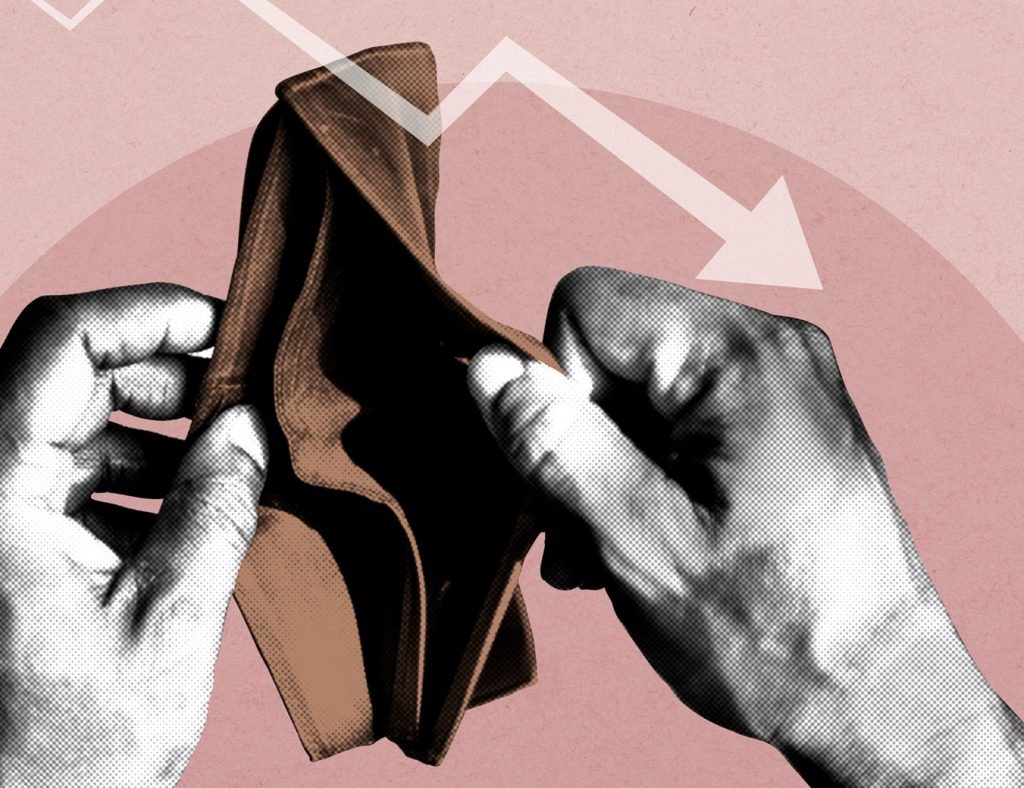
Most Instagram creators understand burnout in general terms. They know that posting constantly takes a toll and that the pressure to perform wears on you over time. What they don’t always recognize is the specific mechanism driving that exhaustion. Parasocial debt on Instagram is the obligation creators feel toward followers who treat the relationship as mutual when it isn’t. It builds quietly, compounds over time, and creates real consequences, both personally and professionally. Most conversations about creator wellness never fully address the issue. Understanding what it is and how it works is the first step toward managing it before it manages you completely.
What Parasocial Debt on Instagram Actually Is
A parasocial relationship is one-sided by definition. A follower watches your content, feels they know you personally, and develops genuine emotional investment in your life and work. From their side, the connection feels real and deeply meaningful in ways they don’t question. From your side, that individual follower is one of thousands—someone you’ve never met and likely never will. Parasocial debt accumulates when those one-sided feelings generate expectations you feel personally responsible for meeting on a consistent basis. Over time, those expectations pile up into an invisible but heavy load. That load shapes your content decisions, posting schedule, and emotional state. It can be in ways that are genuinely difficult to trace back to their source.
Where the Debt Comes From
The debt doesn’t arrive all at once. It builds steadily through small moments that each seem entirely harmless on their own. A follower sends a long DM about how your content changed their perspective on something deeply important to them. Another comments that you’re “the only person who gets it.” Someone tags you in their milestone moment because they sincerely consider you part of their personal journey through something significant. Each of these interactions is touching and real in its own way. However, each one also quietly deposits an expectation. The expectation that you’ll continue to show up, stay consistent, remain accessible, and never fundamentally change. Multiply that across thousands of followers over months and years. The accumulated weight becomes genuinely substantial and difficult to shake.
Why Creators Don’t Always Recognize It
Recognition is difficult because parasocial debt on Instagram doesn’t feel like a problem at first—it feels like success. High engagement, deeply loyal followers, and meaningful DMs are exactly what most creators work hard to achieve. The shift from reward to burden happens gradually and without any clear or identifiable turning point. It can take a while for a creator to start feeling genuinely trapped by their audience’s growing expectations. At that point, they’ve often been carrying the debt for many months already without naming it. Further, there can be emotional language surrounding it, such as gratitude, connection, and community. That makes it genuinely hard to articulate the feeling without seeming ungrateful.
The Mental Health Implications Nobody Talks About
The wellness conversation around creators tends to focus on workload and the need for adequate rest and recovery. Those things matter enormously. However, they don’t address what parasocial debt does to a person’s deeper sense of identity over an extended period. When your audience develops a fixed image of who you are, you may feel sustained pressure to match that image. That can be true even when you’ve genuinely grown, changed your views, or are simply navigating a difficult personal season. The result is a kind of performed consistency that disconnects you from your actual lived experience. It happens in ways that accumulate slowly. You’re not just creating content anymore. You’re maintaining a character that thousands of people have real emotional stakes in. That’s a fundamentally more exhausting kind of labor.
The Pseudo-Relationship Trap
The pseudo-relationship dynamic is where the mental health cost becomes most acute and hardest to identify clearly. Followers who feel deeply connected to you will sometimes respond negatively to change. It could be a new creative direction, a less frequent posting schedule, or a meaningful shift in tone. It’s as if you’ve personally let them down in a significant way. They may say so directly in comments or DMs, framing their disappointment explicitly in relational rather than content terms. That feedback lands very differently than ordinary criticism because it feels like a relationship rupture rather than a creative disagreement. Creators who internalize that framing start to make decisions based on what their audience will emotionally tolerate. Such decisions should instead be made based on what’s genuinely true or sustainable for their own well-being and growth.
Identity Erosion Over Time
Prolonged parasocial debt can quietly erode a creator’s sense of who they are outside of their carefully maintained platform identity. Avoid organizing a significant portion of your social and professional life around an audience’s fixed perception of you. Otherwise, it becomes increasingly difficult to separate your actual evolving self from your content persona. There is pressure to stay legible to your audience (i.e., to remain the recognizable version of yourself they originally followed). That can actively suppress genuine personal evolution in ways that feel suffocating over time. Creators frequently describe this as feeling stuck despite outward growth. That internal stagnation is one of the most underreported and underexamined long-term consequences of unmanaged parasocial debt on Instagram.
The Business Implications of Unmanaged Pseudo-Relationships
Parasocial debt on Instagram doesn’t only affect how creators feel. It profoundly shapes how they make consequential business decisions over time. When you feel emotionally indebted to your audience, you naturally start to optimize for their emotional comfort. You neglect your own strategic direction and long-term professional goals. You avoid necessary pivots because followers might feel confused or abandoned. Further, you delay raising your prices because vocal audience members have normalized low-cost or free access to your work. Moreover, you stay locked in a content niche that no longer serves your actual goals. Why? Because leaving feels like a betrayal of the pseudo-relationship your audience believes they have with you. That’s despite the fact that such a belief was never something you explicitly invited or promised them.
When Unrealistic Expectations Drive Strategy
The unrealistic expectation problem becomes a serious business problem when creators neglect what the business needs. Instead, they start building everything around what their most emotionally invested followers want. A follower who treats you like a close personal friend doesn’t necessarily represent your ideal customer at all. Their vocal preferences may actively conflict with the strategic direction that would make your business more sustainable and profitable. However, their feedback is typically the loudest and most emotionally charged. Accordingly, it routinely carries disproportionate influence over decisions it shouldn’t be shaping at all. Recognizing that pattern is essential to breaking it before it does lasting strategic damage.
The Cost of Performing Accessibility
Many creators feel intense and ongoing pressure to appear perpetually accessible. These include pressure to answer every DM, respond to every comment, and remain emotionally available. This happens when the audience that has come to expect exactly that level of personal contact as a baseline. That performance of accessibility carries a direct and measurable business cost that compounds over time. It consumes hours that could go toward creative development, strategic planning, or genuinely revenue-generating activities. It also establishes a precedent that becomes increasingly difficult to walk back. Doing so could trigger the very audience disappointment you were working to avoid. Parasocial debt on Instagram, left unmanaged, gradually turns accessibility from a genuine and admirable value into an exhausting structural obligation. It quietly limits your capacity to scale or evolve your business.
How to Recognize When You’re in Debt
The signs of parasocial debt are easily overlooked because they often look like dedication and genuine care for your community. You post when you’re sick because letting your audience down feels worse than pushing through the discomfort. Further, you share personal information you weren’t fully ready to disclose because the relationship dynamic seemed to require that level of openness from you. In addition, you feel genuine anxiety when engagement drops. It’s not because of the business implications. Rather, it’s because it feels as though specific people are withdrawing from you personally. Does your platform relationship feel more like an obligation to individuals than a creative or professional pursuit you’ve chosen freely? If so, the debt has grown serious enough to address directly.
Audience Expectations vs. Your Own Limits
One test is to notice how often your content decisions are driven by what you imagine your audience will feel. Compare that to how often the driver is what you actually want to create and share. If you regularly override your own instincts—your preferred timing, your chosen topics, your comfort level with personal disclosure—in response to imagined or directly expressed audience expectations, the pseudo-relationship dynamic has likely taken on far more weight than is healthy or strategically sound for your business. Unrealistic expectations from followers don’t always arrive as explicit demands or complaints. They often arrive as sincere expressions of deep attachment that gradually and subtly reframe your creative decisions as obligations you owe rather than choices you’re freely making on your own terms.
The Difference Between Community and Debt
Not all parasocial connection represents debt, and holding that distinction clearly is genuinely important for creators navigating this dynamic. A loyal, engaged audience is valuable, and the emotional resonance your content creates is often the real foundation of a sustainable long-term business. The difference lies in the directionality of obligation. Healthy community feels like a natural and energizing exchange. You create, they engage, and the relationship has implicit limits both sides understand and accept without resentment. Parasocial debt on Instagram develops when those limits dissolve. It happens when followers begin to expect access, consistency, or emotional reciprocity that you never explicitly offered. It happens when you can’t sustain it over time without paying a serious and ongoing personal cost.
Practical Ways to Manage Parasocial Debt on Instagram
Management starts with boundaries established proactively rather than reactively in moments of personal crisis or overwhelm. Creators who handle parasocial debt most effectively define what their audience relationship actually looks like in practice. They don’t wait until they’re already stretched beyond their limits. They make deliberate and thoughtful choices. Those choices are about how much personal disclosure they offer. They are related to how they structure DM access, and how they communicate shifts in creative direction. Those decisions keep the relationship from drifting into territory they can’t maintain. Pay attention to clarity about what you’re genuinely offering and what you’re not. Apply it consistently from early on. That’s the most effective way to prevent serious parasocial debt from accumulating in the first place.
Reframing the Audience Relationship
One of the most effective and underused management tools is to deliberately reframe, in your own mind, what your audience relationship actually consists of at its core. Your followers are people who find genuine value in your content—and that’s real, meaningful, and worth appreciating fully. However, it isn’t a friendship, a mentorship, or a mutual emotional commitment, even when it feels that way from their side of the screen. Unrealistic expectations flourish in the gap between what the relationship actually is and what parasocial dynamics make it feel like. Hold an accurate frame consistently and return to it when things feel heavy. That will help you make decisions from a clearer position. You will feel considerably less guilt about boundaries that are entirely reasonable and professionally appropriate.
Building Sustainability Into Your Content Structure
Sustainability means designing an approach that doesn’t require a level of personal exposure or emotional output that leads to burnout. This might mean creating deliberate separation between your public content and your private life. It may involve setting clear and public expectations about your availability for DMs and comments. Or, it could entail diversifying your content formats so that strong performance doesn’t depend entirely on ongoing personal disclosure. Parasocial debt compounds most severely when creators build an audience on an unsustainable level of intimacy to begin with. Restructure toward sustainability with clear intention, gradually if necessary. That’s how you reduce the debt before it costs you both your well-being and your business at once.
VerifiedBlu is a great resource for growing your Instagram followers organically and authentically. Contact us to talk about how we can help.
