
How to Choose an Instagram Profile Photo and Username
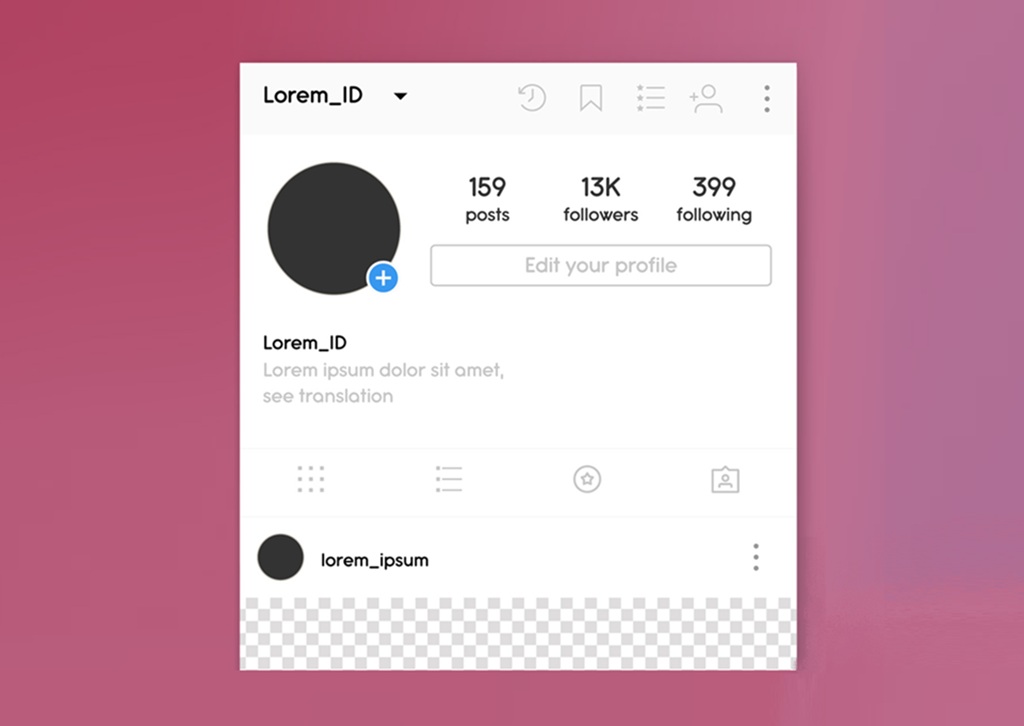
Your Instagram profile photo and username are the first two things people notice about your account. They form an immediate impression before anyone reads your bio, sees your content, or decides to follow you. These elements act as your identity markers across the entire platform—in search results, comment sections, and Explore pages alike. Getting them right from the start saves you from the confusion and disruption that come with changing them later. Creators who rush this step often find themselves wrestling with a rebrand exactly when their audience is starting to grow.
A mismatched or hard-to-find handle slows down discovery. A blurry or generic profile photo undercuts the credibility of otherwise strong content. Most people spend less than five minutes on these decisions when they set up a new account. That’s rarely enough time to make choices you’ll be satisfied with a year later. This article walks through what makes each element work and how to avoid common mistakes. It also explains what to keep in mind to project a clear, trustworthy presence from the very beginning.
Why Your Instagram Profile Photo Sets the Tone
Your Instagram profile photo appears as a small circle throughout the platform. It’s next to every comment you post, at the top of your Stories, and in search results alongside your username. At those sizes, detail disappears fast. A photo that looks polished and clear on a desktop monitor can become an unreadable smear at thumbnail scale. That’s why simplicity isn’t just an aesthetic preference—it’s a functional requirement. The photo has to communicate something meaningful in a space roughly the size of a fingernail. Most creators underestimate how much that constraint shapes what actually works. They select a profile photo that looks fine in the upload preview. Unfortunately, it communicates nothing in the places that matter most.
What Works at Small Sizes
The most effective profile photos feature a single, clear subject with strong contrast against the background. For personal accounts and creators, a well-lit headshot—your face centered and filling most of the frame—is standard. Avoid busy backgrounds, text overlays, or group shots where it isn’t clear who the account belongs to. Instagram crops the photo into a circle automatically, so anything near the edges gets cut off. Before finalizing your choice, shrink the image down to the actual display size and check whether it still reads clearly. Many creators skip this step. Often, they end up with a photo that communicates nothing at the sizes where most people encounter it. An elaborate shot easily loses its detail when scaled down. A simple, high-contrast image taken in natural light almost always outperforms it.
Keeping It Consistent Across Platforms
One of the social media profile basics that experienced creators emphasize most consistently is cross-platform alignment. If you’re building a recognizable presence, use the same photo across every platform where your audience might find you. Consistency builds familiarity, and familiarity builds trust. When someone finds you on Pinterest, YouTube, or TikTok, an identical profile photo confirms they’ve found the right account rather than a different person with a similar name. This matters more than most beginners expect, because discovery rarely happens in a straight line. People encounter your name in different contexts before they commit to following you, and a consistent visual identity across those touchpoints reinforces recognition every time they see it. When you do update your photo, change it everywhere at once.
Choosing a Username That Works for Discovery
Choosing a username isn’t just a creative exercise. It directly affects whether people can find your account when they search for you. Instagram’s search function matches against usernames and display names. A clear, searchable handle gives you a genuine advantage over accounts with cluttered or cryptic ones. A username that’s hard to spell, hard to remember, or loaded with numbers makes it harder for potential followers to locate you even when they’re actively trying. This is one of the social media profile basics that gets overlooked most often. New creators tend to focus on content and treat the username as a minor administrative detail. It isn’t a minor detail. It’s the address people use to find you, tag you, and recommend you to others. Those functions depend on it being easy to work with.
Keep It Short and Readable
The strongest usernames are short, easy to spell, and easy to say out loud. If someone hears your name mentioned in a podcast, a video, or a conversation and wants to find you, they should be able to type your handle on the first try without guessing. Avoid substituting letters with numbers (like “3” for “e”) unless that substitution is a well-established and recognizable part of your brand identity. Underscores are acceptable in moderation. However, multiple underscores or dots make a handle look cluttered and harder to enter on a mobile keyboard. As a general rule, anything you wouldn’t feel comfortable reading aloud in a professional context probably isn’t the right choice for a long-term handle. Short, clean, and pronounceable are the three qualities that matter most.
Matching Your Username to Your Brand
Choosing a username that closely matches your brand name or real name is a foundational step. In addition, it’s one that’s easy to get right and surprisingly easy to skip. If your brand is “Oakwood Ceramics,” your ideal handle is @oakwoodceramics or something very close to it. Wildly different usernames create a disconnect between your off-platform presence and your Instagram account. That disconnect forces potential followers to do extra work to confirm they’ve found the right account. Unfortunately, many of them won’t bother. Check name availability across platforms before you settle on a handle. Do this even if you don’t plan to use every platform immediately. Claiming consistent handles while they’re available is far easier than trying to reclaim them after someone else has registered them. Treat this as an early business decision, not an afterthought.
How Your Instagram Profile Photo and Username Work Together
Your Instagram profile photo and username function as a unit. They appear together in search results, comment sections, Explore pages, and the follower lists of other accounts. When they’re mismatched—a polished logo paired with a casual, hard-to-read handle, for example—it creates a subtle but real impression of inconsistency. That impression can be enough to make a new visitor hesitate before following. At the beginner stage, it’s easy to treat these two elements as separate decisions made at separate times. They work better when you think about them together from the start. The pairing is what people actually see. Accordingly, and the pairing is what leaves the first impression on anyone who hasn’t encountered your content before.
Building Recognition Through Repetition
Recognition builds through repeated exposure. Every time someone sees your username and profile photo together—in a comment thread, a tagged post, or a shared Reel—the pairing becomes slightly more familiar. Over time, that familiarity becomes part of how people remember and describe your account to others. Choose a profile photo style and username format you can commit to for the long term, then stay consistent. Frequent changes reset whatever familiarity you’ve built. They can confuse followers who see your content in their feed but don’t immediately recognize it as yours. Stability in these two elements contributes to something that’s hard to quantify but easy to lose. Namely, a sense that your account has an established identity and has been around long enough to mean something.
Avoiding Combinations That Undermine Trust
Certain profile photo and username combinations signal low credibility to new visitors before they’ve read a single word of your content. A blurry or generic stock photo paired with a random-looking handle makes an account look inactive, automated, or unserious. Choosing a username that includes years (like “2019” or “2023”) dates your account and implies you couldn’t claim a cleaner handle when you started. A heavily filtered photo that doesn’t match the tone of your content creates a visual dissonance that people register without necessarily being able to explain. These are all avoidable problems that cost nothing to fix at setup but become significantly harder and more disruptive to address once your account has been running for months.
Practical Rules for Choosing a Username
There are several concrete rules worth following when choosing a username. First, use your real name or brand name as the base. Second, if your preferred handle is taken, add a relevant descriptor rather than random numbers—@oakwoodceramics might become @oakwoodceramicsstudio or @oakwoodceramicsco. Third, keep the total character count under 20 if possible. Shorter handles are easier to tag in captions, easier to share verbally, and less likely to get truncated in display contexts where space is limited. Fourth, say your handle out loud before you commit to it. If you have to spell it out every time you mention it to someone, it’s probably too complicated for practical use. These aren’t rigid laws, but they eliminate most of the common mistakes.
Username Changes and What They Cost You
Instagram allows you to change your username, but there’s a real cost that’s easy to underestimate. Anyone who has tagged you in posts or Stories using your old handle will end up with references that no longer link to your account correctly. Followers who search your old username won’t find you. External websites that have linked to your profile will point to a dead end until someone manually updates the link. If your account is small and new, this disruption is manageable. If you’ve built a following and appear regularly across other people’s content, the disruption compounds quickly and is difficult to fully undo. Treat a username change as a last resort rather than a routine update, and invest the time to get it right from the beginning.
When Your Preferred Name Is Already Taken
This is a common problem, and it’s one of the social media profile basics that every new creator eventually faces. Don’t accept a badly formatted handle just because your first choice is unavailable. Try adding a short descriptor that reflects your niche or location—@sarahfitness, @sarahbakesny, @sarahdesigns. Avoid adding underscores before or after your name, since handles like @sarah look provisional rather than established. If a near-identical handle exists, check whether that account is actually active and posting. Inactive accounts with no content are sometimes recoverable through Instagram’s username request process, though there’s no guarantee of success. If the account is active, move on and find a clean alternative rather than building your brand around a handle that’s permanently off the table.
Long-Term Thinking About Your Instagram Profile Photo
Your Instagram profile photo will evolve as your account grows, and that’s entirely normal. A casual selfie might work when you’re starting out, but a more intentional and polished image often becomes appropriate as your audience expands and your content matures. The key isn’t to get it perfect on the first attempt—it’s to make changes deliberately rather than impulsively, and to understand what you’re trading off each time you update it. A photo change that feels refreshing to you can feel disorienting to followers who have come to associate that image with your content. That’s not a reason to avoid changes, but it is a reason to approach them thoughtfully and with some advance notice to your audience.
Planning for Growth
Think about where you want your account to be in two or three years. If you plan to transition from personal content to a branded creative business, choose a username and profile photo style that won’t need a major overhaul to fit that future direction. Personal name handles tend to age better than niche-specific ones if your content focus might shift over time. A handle like @emilywrites scales to a broader creative identity far more easily than @emilysveganrecipes if your direction changes. You don’t need to predict the future exactly—but choosing elements with some built-in flexibility reduces the chance that you’ll need to disrupt a growing audience with a rebrand at the worst possible time.
Applying the Social Media Profile Basics from the Start
The social media profile basics—a clear photo, a readable username, and consistency between the two—aren’t complicated, but they’re easy to rush. Most people set them up in the first few minutes of creating an account and never revisit the decision carefully. Taking an extra hour at the start to research name availability across platforms, test your photo at actual thumbnail size, and align both elements with your intended brand identity can prevent a disruptive overhaul later. Your profile photo and username are always working for you, even when you aren’t actively posting. They appear every time someone stumbles across your content, every time you comment on another creator’s post, and every time a potential follower looks you up after hearing your name mentioned somewhere. Getting them right is one of the highest-return decisions you’ll make as a new creator.
VerifiedBlu is a great resource for growing your Instagram followers organically and authentically. Contact us to talk about how we can help.
