
Building an Instagram Posting Cadence Without Burning Out
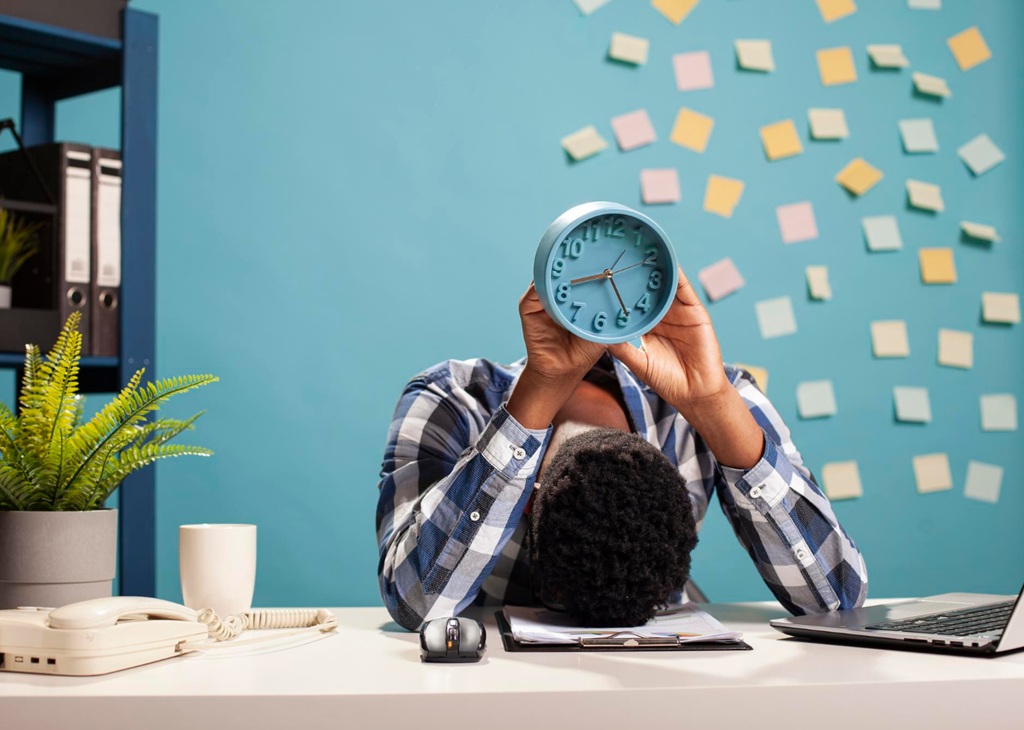
Many creators start out posting every day. The enthusiasm is real and the motivation is high. But within weeks, that pace becomes unsustainable. Quality drops. Motivation fades. Posts get skipped. The account stalls. This pattern is so common it has a name: creator burnout. It almost always stems from the same mistake—building a posting schedule around what seems impressive rather than what’s actually maintainable. This article covers how to build an Instagram posting cadence you can sustain long-term. The goal is a schedule that works with your life, not against it. Getting this right from the start will save you a great deal of frustration later. A cadence that fits your life is one you’ll actually stick to.
Why Your Instagram Posting Cadence Matters More Than Frequency
More isn’t always better on Instagram. Instagram’s algorithm doesn’t reward creators simply for posting often. It rewards creators whose posts earn consistent engagement. A creator who posts three times a week and earns strong engagement will typically outperform someone who posts daily to diminishing returns. Frequency without quality doesn’t compound. Your Instagram posting cadence isn’t just a schedule—it’s a signal. It tells the algorithm what to expect from you and trains your audience to anticipate your content. Building that signal around a pace you can maintain is worth far more than briefly hitting a high frequency before burning out.
What the Algorithm Actually Rewards
Instagram evaluates each post on its own merits. It looks at early engagement signals—saves, comments, shares, and watch time shortly after posting. If those signals are strong, the post gets pushed to more people. If they’re weak, the content stops spreading. Posting more often doesn’t improve those per-post signals. In fact, too-frequent posting can suppress them. If your audience sees your content every few hours, they’re less likely to treat any individual post as worth responding to. A well-spaced sustainable posting schedule that produces quality content will almost always outperform an aggressive one that sacrifices quality for volume. The platform rewards posts that earn reactions—not accounts that post without pause. That distinction is worth internalizing early.
How Consistency Builds Audience Behavior
When you post on a predictable rhythm, your audience starts to anticipate your content. Regular followers check for new posts from accounts they care about. Instagram also tends to show your content to people who’ve engaged with you recently. Consistent posting keeps those recent engagements refreshing, which keeps your content in rotation. Inconsistency breaks that cycle. A creator who posts five times in one week and then disappears for two weeks sends a confusing signal. Both followers and the algorithm notice the inconsistency. A sustainable posting schedule means committing to a rhythm that keeps that cycle active—without requiring more energy than you actually have. Predictability builds trust with your audience and credibility with the algorithm.
Sustainable Posting Schedule: Finding the Pace You Can Actually Keep
The right cadence isn’t the highest cadence you could manage on a good week. It’s the cadence you can maintain consistently on a bad one. Most creators underestimate how much time content creation actually takes. Think through the full workflow: ideation, filming or designing, editing, captioning, and scheduling. That’s a lot more than just hitting publish. When you’re planning your cadence, think about your worst week in the last month—not your best. If you can post twice a week even when you’re tired or under pressure, twice a week is your real baseline. That’s the number that matters. Everything else is a stretch goal, not a standard.
Mapping Your Time and Energy Budget
Before setting a cadence, take stock of your actual available time and creative energy each week. Be specific. Include your full production workflow, not just the time it takes to publish something. Factor in the difference between high-effort formats like Reels and lower-effort ones like Carousels or static posts. A realistic sustainable posting schedule is built around your actual capacity, not an idealized version of it. Many creators burn out because they plan for their best self and then can’t keep up when life gets in the way. Plan for your average self instead—ideally, for your slightly-below-average self. That version of you is the one who will be posting six months from now.
Starting Slower Than Feels Right
One counterintuitive piece of advice for new creators: start at a lower cadence than you think you should. If you think you can post five times a week, start with three. If three feels achievable, start with two. This sounds overly conservative. But a lower cadence executed consistently for six months will almost always outperform a high cadence executed for six weeks before crashing. Starting slower gives you room to build a content library, refine your process, and figure out what works. It also leaves you capacity to accelerate once the habit is established—rather than scraping to recover from an early burnout. Slow and consistent is harder to knock off course. That stability compounds over time in ways that an early burnout simply cannot.
Avoiding Creator Burnout: Building a Sustainable Posting Schedule Into Your Workflow
Once you know your real capacity, design a posting schedule with the structural features that make it sustainable over time. A durable cadence has a few key characteristics. It’s specific enough to create predictable routines. It builds in recovery time. It allows flexibility without collapsing entirely when something goes wrong. Most importantly, it separates content creation from content publishing so that busy periods don’t translate directly into posting gaps. A schedule that holds up under real-world pressure is always more valuable than one that looks good on paper but falls apart the moment life gets complicated. Durability beats ambition.
Batch Creation and the Importance of a Content Buffer
One of the most effective ways to maintain a sustainable posting schedule is to decouple creation from publishing. Designate one or two days per week to create multiple pieces at once. Then schedule those pieces to post throughout the week. This means a busy week doesn’t force you to scramble for content at the last minute. You already have a queue. Maintaining a buffer of three to five finished posts at all times takes this a step further. A good buffer means a low-energy period doesn’t immediately translate into a visible posting gap. Most creators who sustain a consistent Instagram posting cadence over years use some version of this approach.
Accounting for Format Mix in Avoiding Creator Burnout
Not every post should be the same format, and not every format takes the same effort. A Reel takes significantly longer to produce than a static image or a Carousel. If your cadence calls for posting five times a week and all five are Reels, the creative burden is enormous. A mixed format approach—two or three Reels alongside lower-effort Carousels or image posts—distributes the workload more evenly. Designing your cadence with format mix in mind is one of the most practical strategies for avoiding creator burnout. It also benefits your account’s performance: a variety of content formats gives your audience different ways to interact with your content.
Sustainable Posting Schedule: Recognizing and Responding to Early Warning Signs
Burnout doesn’t usually arrive suddenly. It builds gradually—mild resistance to posting, then skipped days, then extended absences, and finally a quiet account. By the time most creators recognize they’ve burned out, they’re already deep into it. Recovery takes real time and often means an extended break from posting. The most effective approach isn’t to push through when you’re struggling. It’s to recognize the early warning signs and respond before things escalate. Catching it early—when the resistance is mild—is dramatically easier than recovering from a full crash. Early action is the whole game.
What Early Burnout Actually Feels Like
Early-stage burnout often doesn’t feel like exhaustion. It feels like dread. You find reasons not to film. You open your phone to post and then close it again. Ideas that used to feel exciting start to feel tedious. The difference between a bad week and genuine burnout is pattern. If the resistance shows up for two or three weeks in a row, something is off. It might be your cadence, your format, your content direction, or something outside your content entirely. Recognizing it as burnout—rather than laziness—is what lets you respond productively rather than push harder until something breaks. Most creators who burn out badly wish they had named it sooner.
Proactive Strategies for Avoiding Creator Burnout
The most reliable strategies for avoiding creator burnout are structural, not motivational. Motivation fluctuates. Structure holds. Scheduling lighter posting periods into your year normalizes fluctuation. A reduced summer cadence or a December slowdown removes pressure to perform at peak capacity year-round. A short break can prevent an extended break. Designing your cadence around formats you enjoy creating makes the whole process more sustainable. Don’t build around formats you think you should be creating—build around ones you actually like. None of these strategies require extraordinary willpower. They require planning ahead for the fact that you’re human, and your energy won’t always be at its peak. Systems outlast motivation every time.
Avoiding Creator Burnout: Adjusting Your Cadence as Life Changes
The cadence you set today doesn’t have to be permanent. As your account grows, your production capabilities may increase. As your life changes, your available time and energy will shift. A sustainable Instagram posting cadence is a living plan—something you revisit and adjust as your circumstances evolve. Treating it as fixed creates the same problem as setting it too high in the first place. Eventually, reality diverges from the plan. The gap between what you committed to and what you can deliver creates exactly the pressure that leads to burnout. Build in a regular review—quarterly works well for most creators. Treat it as a routine maintenance check, not a sign that something went wrong.
When to Increase Your Posting Frequency
Increasing your cadence makes sense when two conditions are in place. First, you’ve built a stable content buffer. Second, your production process has become efficient enough that higher volume doesn’t significantly increase your burden. Neither condition is about motivation—both are about infrastructure. If you can produce more without sacrificing quality or your own well-being, increasing your frequency is a reasonable growth move. But it should be a deliberate decision made from stability, not a reaction to anxiety about whether you’re posting enough. Anxiety rarely makes a reliable guide for adjusting your Instagram posting cadence. A steady account growing at a moderate pace is in a far better position than a stressed creator overextending to accelerate faster.
When to Pull Back Without Guilt
Pulling back your cadence isn’t failure. It’s maintenance. Every creator will have periods when the usual pace becomes unsustainable. The right response isn’t to push through at the cost of your well-being—it’s to post less for a while. A well-established account can absorb a temporary slowdown without serious long-term damage. What it can’t absorb as easily is a prolonged absence caused by not pulling back when the signs were there. Give yourself explicit permission to reduce your output when you need to. Then decide when and how you’ll return to your normal pace, and let your audience know if the change is significant. A brief explanation goes a long way. Most followers are more understanding than creators expect.
VerifiedBlu can help you grow your Instagram followers organically and authentically. Contact us today.
