
How to Build an Instagram Content Calendar Without Killing Spontaneity
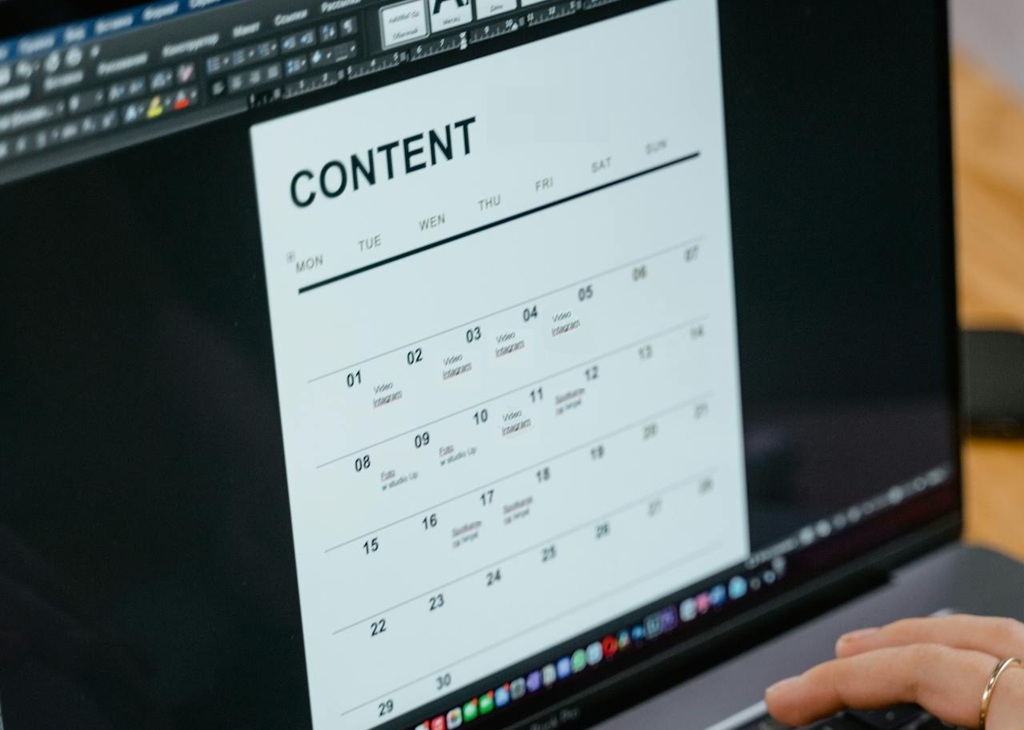
Why a Content Calendar Doesn’t Have to Kill Spontaneity
An Instagram content calendar often gets a bad reputation among creators who value spontaneity above all else. The fear is reasonable on the surface. Rigid planning can flatten genuine excitement into something that feels mechanical and forced. But that outcome isn’t inevitable at all. A calendar, built well, doesn’t dictate every detail; it simply removes the daily scramble for ideas. That removed scramble actually frees up mental space for spontaneous moments to happen naturally. Creators without any structure often spend so much energy deciding what to post that little energy remains for genuine creativity. A calendar isn’t the enemy of spontaneity. Used correctly, it’s the thing that makes room for it. The goal isn’t rigid control; it’s reducing unnecessary decision fatigue so better ideas can surface. That distinction changes everything about how the system feels.
What Spontaneity Actually Means for Creators
Spontaneity gets romanticized in ways that don’t always match how creative work actually happens in practice. True spontaneity isn’t posting whatever comes to mind with zero forethought whatsoever. It’s having the freedom to act on a genuinely good idea the moment it arrives. That freedom requires some baseline structure underneath it, even if that structure stays invisible most of the time. Without any plan, every post becomes an emergency decision made under unnecessary pressure. With too rigid a plan, every genuinely spontaneous idea gets crowded out entirely by predetermined content. The goal sits somewhere in between these two extremes, closer to the middle than either edge. Spontaneity, properly understood, is freedom within boundaries, not freedom from boundaries entirely. A calendar can absolutely provide that kind of boundary. Done well, it disappears into the background while still doing its job.
Balancing Structure and Spontaneity From the Start
Balancing structure and spontaneity starts with how you initially design your Instagram content calendar, not just how you use it later on. Build in deliberate gaps from day one, rather than filling every single slot immediately after creating it. These gaps aren’t failures of planning; they’re intentional space reserved for whatever emerges naturally. Treat your calendar as a skeleton, not a script written word for word in advance. The skeleton provides shape and consistency; the flesh, meaning your actual content choices, can stay flexible throughout the process. This distinction matters enormously for how the whole system feels day to day. A calendar built this way invites spontaneity instead of crowding it out entirely. Get this balance right early, and everything downstream becomes considerably easier to manage. The early decisions shape how the whole system feels later.
Building a Content Calendar That Has Room to Breathe
Building a content calendar that has room to breathe means resisting the urge to plan every single detail months in advance. Many creators over-plan initially, scheduling exact captions, hashtags, and posting times weeks ahead of time. This level of detail often becomes a liability the moment something unexpected happens in your life or niche. Instead, plan at the level of themes and topics, leaving specific execution for closer to the actual posting date. This approach maintains direction without locking you into decisions made too far in advance. A loosely structured calendar adapts far more easily than a tightly scripted one ever could manage to. Think of it as a map showing general direction, not a turn-by-turn set of directions you must follow exactly. Maps still get you where you’re going.
Choosing the Right Level of Detail
The right level of detail in your calendar depends heavily on your own personality and working style as a creator. Some creators thrive with minimal structure: just a rough theme assigned to each day of the week. Others need more scaffolding, like specific topics or formats blocked out several weeks ahead of time. Neither approach is inherently correct; what matters is whether the structure actually reduces your daily stress. If your calendar feels like another source of pressure, it’s probably too detailed for your particular needs right now. If you’re still scrambling for ideas daily, it’s probably too loose for comfort. Both extremes are worth noticing and correcting. Adjust the detail level until it genuinely serves you, rather than forcing yourself into someone else’s preferred system. There’s no universal right answer here.
Planning Content Without Losing Flexibility in Your Format
Planning content without losing flexibility also means staying loose about format, not just topic and timing. Assign a general theme to a date, but leave the format decision for closer to posting day. A topic planned as a Reel might work better as a Carousel once you actually sit down to create it. Locking format in too early removes a useful layer of adaptability from your overall process and workflow. This flexibility matters especially when you notice a particular format performing unusually well or poorly that week. Your Instagram content calendar should bend to real-time information, not ignore it in favor of the original plan. Build this kind of flexibility in deliberately, rather than treating format as a fixed, unchangeable detail. Small adjustments here often improve performance noticeably.
Planning Content Without Losing Flexibility Day to Day
Planning content without losing flexibility on a daily basis requires checking in with your Instagram content calendar regularly, not just setting it once. Each morning, glance at what’s planned and ask whether it still feels right given anything that’s changed. Sometimes the answer is yes, and you proceed exactly as scheduled without any adjustment needed. Other times, something’s shifted: a trending topic, a personal experience, or simply a change of mood worth honoring. Your calendar should accommodate that shift without creating guilt or a sense of failure about deviating. Think of daily check-ins as light course corrections, not full plan abandonment every single time. This habit keeps your calendar a living tool rather than a rigid mandate you feel obligated to follow. A few minutes each morning is usually enough.
Leaving Open Slots on Purpose
Deliberately leaving some slots open on your calendar creates built-in room for whatever genuinely inspires you later. Reserve roughly one in five posting slots as intentionally unplanned, ready for spontaneous ideas to fill. This isn’t laziness; it’s a structural choice that protects space for genuine creativity to emerge naturally over time. When inspiration strikes outside your planned content, these open slots give it somewhere to land immediately. Without them, spontaneous ideas often get pushed aside in favor of whatever was already scheduled that day. Over time, these open slots frequently produce some of your most engaging, authentic content. Protect this space the same way you’d protect any other part of your planning process. It’s easy to skip when you’re busy, but worth defending.
Reacting to Trends Without Abandoning Your Plan
Trends move quickly, and reacting to them often requires breaking from your planned calendar without panic or guilt about it. Keep a small mental or written list of trend formats you’d consider jumping on if relevant. When something fits your niche genuinely, swap it into an open slot rather than forcing it awkwardly into a planned post. This approach lets you stay responsive without scrapping your entire calendar over one trending moment. Not every trend deserves your attention, even if it’s popular elsewhere on the platform right now. Filter trends through your own niche and voice before deciding to participate at all. A calendar built with flexibility makes trend participation feel additive rather than disruptive to your existing plans. It becomes one more option, not a forced detour.
Balancing Structure and Spontaneity in Practice
Balancing structure and spontaneity in practice comes down to a simple, ongoing question for your Instagram content calendar: does this choice serve the content or just the schedule? If following your plan produces genuinely good content, follow it without second-guessing the decision. If deviating produces something noticeably better, deviate without guilt about breaking from the original plan. The calendar exists to serve your content, not the other way around entirely. Creators who forget this distinction often end up resenting their own planning system over time. Revisit this question regularly, especially when the calendar starts feeling more like an obligation than a tool. A healthy relationship with structure stays flexible enough to question itself when needed. Rigid systems rarely survive contact with real, unpredictable life.
Planning Content Without Losing Flexibility When Plans Change
Planning content without losing flexibility means having a clear, simple process for handling unexpected changes when they happen unexpectedly. Life happens: illness, travel, sudden opportunities, or simply low energy on a planned posting day. Build a default fallback, like a reliable evergreen post type, for days when nothing else works out as planned. This removes the pressure to either force a planned post or skip entirely without a plan. Having this fallback ready in advance prevents small disruptions from derailing your entire week’s content. Flexibility isn’t the absence of a plan; it’s having a plan for when the plan doesn’t work. This mindset shift changes how disruptions feel considerably, turning them into manageable rather than stressful events. Small problems stop feeling like emergencies.
When to Throw the Plan Out Entirely
Occasionally, the right move is abandoning your planned content entirely, at least for that particular day or moment in time. Major news in your niche, a significant personal event, or a genuinely urgent audience need can all justify this. When this happens, don’t treat it as a planning failure or a sign your calendar doesn’t work properly. Treat it as the system functioning exactly as intended, making room for what actually matters most right now. Afterward, simply adjust your calendar to absorb the disruption rather than trying to cram in everything you missed. A good calendar bends without breaking under pressure from real, unpredictable life events. That resilience matters more than perfect adherence to any original schedule you set. A calendar that survives chaos is more valuable than one that only works in ideal conditions.
Keeping Your Calendar Alive Over Time
Keeping your Instagram content calendar alive over time requires treating it as a living document rather than a fixed, finished plan you set once. A calendar that never changes after its initial creation quickly becomes disconnected from your actual content needs and goals. Revisit it regularly, updating themes, formats, and open slots as your priorities and audience naturally shift over time. This ongoing maintenance prevents the calendar from becoming stale or feeling disconnected from what you’re genuinely creating. Many creators set up an initial calendar carefully, then abandon it entirely once it stops feeling perfectly accurate to their current needs. A better approach treats imperfection as expected and simply adjusts the system as you go along. Perfection was never really the goal here.
Reviewing and Adjusting Monthly
A monthly review keeps your calendar genuinely useful rather than letting it drift slowly out of sync with reality and your actual needs. Look back at what worked, what felt forced, and what you ended up skipping entirely that month. Adjust your themes and structure based on these real, concrete patterns rather than your original assumptions from months ago. This regular check-in also reveals whether you’re leaving enough room for spontaneity or over-planning again without realizing it. Treat this review as routine maintenance, not a major overhaul requiring hours of dedicated work each time. A short, honest monthly check usually catches small problems before they become significant frustrations later on. Fifteen minutes is usually all it takes. That small investment pays off across the entire following month.
Balancing Structure and Spontaneity as a Long-Term Habit
Balancing structure and spontaneity eventually becomes less of a conscious effort and more of an ingrained habit over time. As you continue refining your Instagram content calendar, the right balance becomes increasingly intuitive rather than something you have to calculate. You’ll instinctively know when to follow the plan and when to deviate without much deliberation at all. This intuition develops through repeated practice, not through finding some perfect system on your first attempt. Trust that your calendar will keep evolving as your account, your niche, and your own creative needs change. The goal was never a perfect, unchanging system in the first place. It was always a sustainable one that keeps working for you over the long run. That’s a far more useful target to aim for.
VerifiedBlu is a great resource for growing your Instagram followers organically and authentically. Contact us to talk about how we can help.
