
How to Set Instagram Rate Cards for Each Content Format
Pricing Reels, Carousels, and Stories Separately
Brands often ask creators one blunt question: what do you charge? A clear answer builds trust and speeds up the deal. Instagram rate cards give you that answer in one simple document. They list your prices, your deliverables, and your terms in a form a brand can read in a minute. Without one, you must invent a number on every call, and that usually leads to under-pricing. With one, you start from a solid base and negotiate from strength. This article explains how to build a card that fits each content format. You’ll see why one price for everything rarely works, and how to set fair rates that protect both your time and your income. Every creator who earns from brand work needs this tool. It’s one of the simplest ways to look professional.
What a Rate Card Is
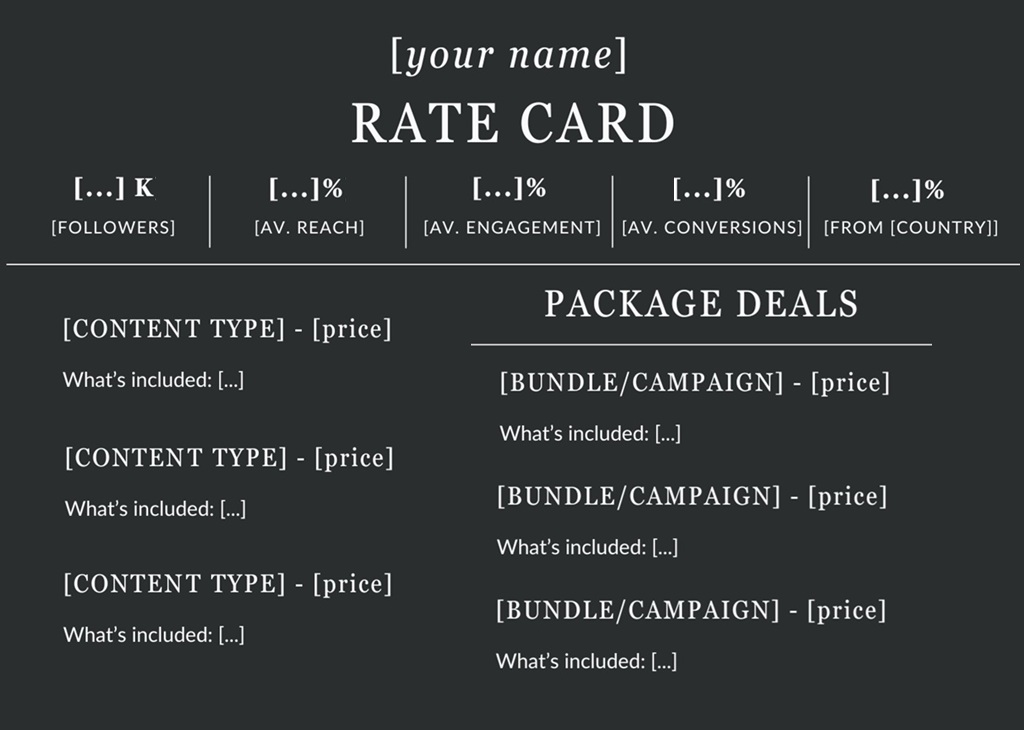
A rate card is a short price list for your work. It names each format you offer, such as a Reel, a Carousel post, or a Stories set. Next to each one, it shows a price and what the price includes. Good cards also state your terms. These cover revision rounds, delivery time, payment dates, and how long a brand may use your content. Think of it as a menu at a restaurant. A guest can see the options and costs at a glance. That clarity reduces back-and-forth and shows that you run a professional business. It also gives you something to point to when a brand pushes for a discount. Keep it to one page so brands read all of it. Short and clear always beats long and vague.
Why Formats Differ in Value
Each format earns and costs differently. A Reel takes more time to plan, film, and edit. It also has a long discovery window, because the app can show it to new people for days or weeks. A Carousel needs strong design and writing, and it often earns saves that signal lasting value. Stories vanish after a day, though they can still drive direct clicks and replies. Because the effort, reach, and shelf life differ, the fair price differs too. Treating all three as equal ignores this reality. Therefore, start by listing what each format demands from you and what it offers a brand. That list becomes the base for every price. Also, each format serves a different goal for a brand. Awareness, trust, and sales rarely come from the same post.
Avoiding the Flat-Rate Trap
The flat-rate trap is simple. A creator picks one price for any post and uses it for every deal. It feels easy and fair, but it quietly costs money. A flat rate treats a quick Stories post the same as a polished Reel that took ten hours. As a result, the creator either overcharges for simple work and loses the deal, or undercharges for complex work and loses money. Brands also notice. A single number suggests that you haven’t thought about your own costs. Instagram rate cards solve the problem by tying each price to real effort and value. Once you see the gap, you’ll find it hard to go back. That hard truth rarely appears in beginner advice. Yet it explains why many creators feel underpaid.
How the Trap Forms
Most creators fall into the trap early. At first, they have little data, so they guess a round number and stick with it. Friends or online posts may suggest a figure, but those numbers rarely match your niche, audience, or workload. Meanwhile, brands often start with a low offer, and a flat price makes it easy to accept. Over time, the habit hardens. Each new deal repeats the old number, even as your skills and audience grow. Moreover, a flat price makes it hard to add extras later, since the brand already expects a package. Breaking the habit takes a little work, but the payoff is large. Therefore, take the time to spot your own habit early. Awareness is the first step toward change.
What a Flat Rate Costs You
The cost shows up in several places. First, you lose income on complex content, because you spend more hours for the same fee. Second, you lose leverage, because you can’t justify a higher price for a harder task. Third, you may attract brands that want the most work for the least pay. In addition, you can burn out. Doing heavy work at a light price drains energy fast. Finally, a flat rate hides your best selling points. A Reel with strong retention is worth more than a quick Stories post, yet the price doesn’t say so. Splitting your rates by format fixes all of these problems at once. Those extra hours rarely appear on any invoice. They still deserve a place in your price.
Building the Base Rate
A base rate starts with your costs and your goals. First, decide how much you want to earn per hour. Then estimate the hours each format takes, including planning, filming, editing, captions, and reply time. Add direct costs such as props, music licenses, or paid tools. Include a share of your overhead too, such as gear, software, and taxes. Instagram rate cards work best when each number has a clear reason behind it. This approach feels slow at first, but it removes guesswork. It also gives you a floor. If a brand offers less than that floor, you know the deal loses money, and you can say no with confidence. Keep your list in a simple sheet. You can update it as your workflow improves.
Start with Your Real Costs
Track your time on a few recent projects. Many creators guess too low, because they forget the small tasks. Include time spent on emails, calls, concept notes, and revisions. Add the cost of equipment wear, subscriptions, and any helpers you hire. Then divide your monthly expenses by the number of paid projects you expect. That figure shows the minimum you need per deal. Next, add your profit. Profit isn’t greedy; it funds slow months, upgrades, and growth. Finally, compare your total to the market for similar creators. If your number is far above or below, check your inputs. A sound base rate should feel fair to you and defensible to a brand. Use real data from your own work, not guesses. Your records will make your prices much stronger.
Pricing Reels, Carousels, and Stories Separately by Effort
Now apply your numbers to each format. A Reel might take eight hours from idea to upload, so its base price reflects that time. A Carousel might take five hours, mostly for design and writing. A Stories set of three frames might take two hours. Put each total on your card. Then check the results for balance. A Reel should usually cost more than a Stories set, but the gap should match the real work. Also consider extras such as a link sticker, a pinned highlight, or a follow-up Stories post. Each extra can carry its own small fee. This detail makes your card clear and your quotes easy to explain. Round the numbers to clean figures. Brands find tidy prices easier to read and approve.
Adding Value Beyond the Post
The post itself is only part of what a brand buys. Many deals also include rights and restrictions that add real value. Instagram rate cards should show these as separate lines. Otherwise, you give them away for free. A brand may want to reuse your content in its own ads or on its site. It may also want to run your post as a paid partnership ad, which pushes it to a wider audience. Each of these uses has worth. Your card should state them plainly, with a price for each. That way, a brand sees what’s included and what costs extra, and you avoid surprises after the contract is signed. Treat every right as a separate product. Clear lines make later talks much easier.
Avoiding the Flat-Rate Trap with Usage and Exclusivity
Usage rights and exclusivity are where flat rates hurt most. Usage covers how long and where a brand may use your content. A short window on the brand’s own page is worth less than a long run in paid ads. Exclusivity stops you from working with competitors for a set time, which limits your income. Price each of these on top of the base fee. A longer term or wider use should cost more. Likewise, a narrow competitor list costs less than a broad one. Put the terms in writing and keep them specific. Clear terms protect you now and give you a strong position at renewal. Don’t forget the length of the term. A year of use is worth far more than a month.
Bundles and Packages
Bundles help brands buy more while giving you steadier income. You might offer a package of one Reel, one Carousel, and a Stories set at a modest discount. Keep the discount smaller than the savings in your time, so the bundle still makes sense for you. Packages also simplify choices, since many brands like a ready-made option. Add a premium tier with extras such as faster delivery or extra revisions. Meanwhile, keep your single-format prices visible, so each piece still has a clear value. A discount should reward a larger commitment, not signal that your normal prices are inflated. Bundles work best when they’re built on solid base rates. Also, test a bundle with a few brands before you promote it widely. Early feedback shows whether the mix feels right.
Presenting and Updating Your Rates
A rate card only helps when brands see it. Put it in a clean document, such as a one-page PDF, and keep the design simple. Show your name, contact details, audience highlights, and prices. Many creators also share a media kit with recent results. Send the card after a brand shows real interest, not before. Instagram rate cards work as a starting point for talks, so be ready to explain each line. Stay calm if a brand asks for a lower price. Offer a smaller scope instead of a smaller fee. For example, reduce the number of revisions or shorten the usage window. This keeps your rates steady while giving the brand some flexibility. Also, state your payment terms near the prices. Clear dates reduce late payments and stress.
Pricing Reels, Carousels, and Stories Separately in Your Pitch
When you pitch, explain why the prices differ. Brands respond well to logic. Tell them a Reel costs more because it reaches new viewers over a longer period. Say a Carousel suits education and saves, and a Stories set suits quick actions and direct replies. Then recommend a mix that matches their goal. A brand that wants awareness may choose Reels, while one that wants sales may add Stories with links. This approach shows expertise and turns you into a partner. It also makes your price feel reasoned, not random. In turn, brands are less likely to push back on numbers they understand. Prepare a short script for your pitch. Practice it aloud until it sounds natural. Confidence helps a brand trust your numbers.
Avoiding the Flat-Rate Trap Over Time
Finally, review your card on a regular schedule. Every three to six months, check your results, your costs, and your workload. If your audience, engagement, or skills have grown, raise your prices. A small rise now and then is easier for brands to accept than a big jump after a long gap. Also watch for shifts in the market, such as new formats or changes in what brands ask for. Keep notes on each deal, including what the brand paid and how it went. Over time, those notes become your best guide. Staying alert keeps your rates fair, protects your income, and keeps you out of the flat-rate trap for good. Instagram rate cards reward the creators who keep them current. A fresh card shows that you take your business seriously.
Contact VerifiedBlu to talk about how we can help you grow your Instagram followers organically and authentically.
