
How to Manage Your Instagram Account Through a Personal Crisis
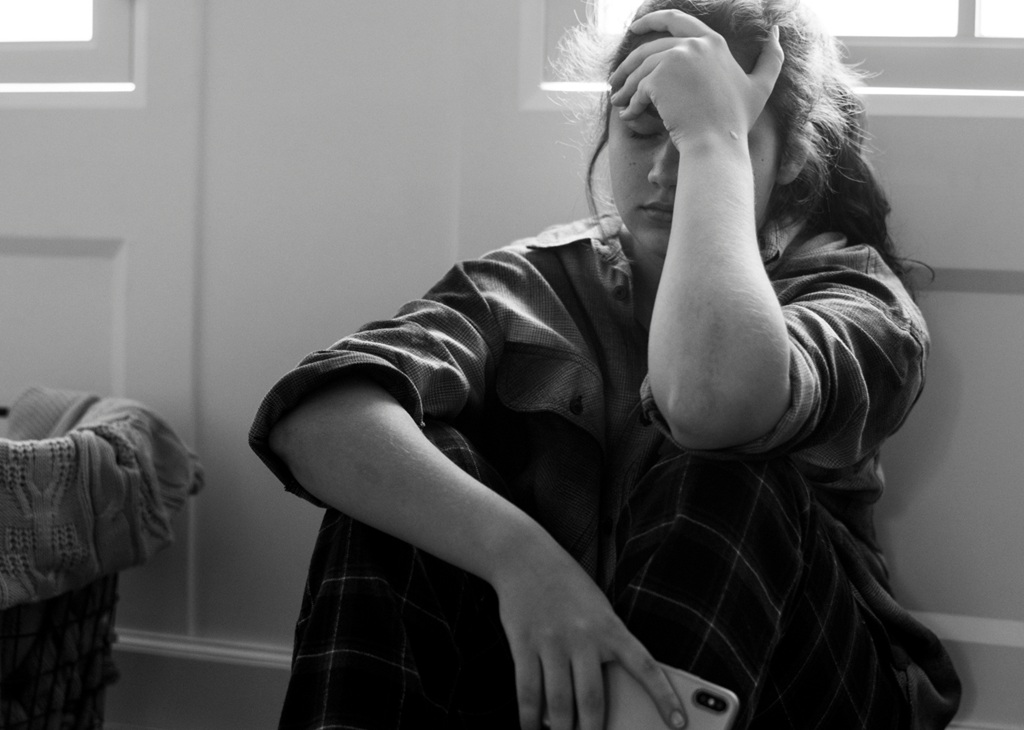
Put Your Well-being First
Life doesn’t wait for a good time. A loss, a health scare, a family emergency, or a hard season can hit while your account is busy. When it does, posting may feel impossible or pointless. That’s normal, and you’re not alone. This article offers a practical plan for operating your Instagram account during a personal crisis that you can adapt to your situation. It doesn’t promise to keep your growth perfect. It aims to protect your wellbeing first and your account second. You’re a person before you’re a creator, and no follower count is worth more than your health or your family. Still, a small plan can reduce stress, because it removes decisions at a time when decisions feel heavy. Read this when you can, and use only the parts that help. Skip the rest without guilt.
Setting A Practical Minimum Output
Setting a practical minimum output means deciding the smallest amount of posting that keeps your account alive without draining you. Choose a number that feels almost too easy. It might be one post a week, one Stories post every few days, or nothing for now. Write it down, and keep it where you can see it. This number becomes your floor, not your goal. On good days you can do more, but you never need to do less than the floor unless you pause completely. The floor protects you from guilt, because you know what counts as enough. It also protects your account from long silence. Moreover, it removes the pressure to match your old pace. A low, steady rhythm is better than a burst followed by burnout. So keep it gentle.
Why Pausing Is Allowed
Pausing is allowed. A personal crisis while running an Instagram account doesn’t have to end your progress, even though many creators fear that a break will destroy their account. Audiences are often kinder than creators expect. Followers are people, and most understand that life gets hard. Reach may dip while you’re away, and that’s a normal trade-off. It’s usually possible to rebuild later, especially if you’ve built real trust. Meanwhile, forcing content during a crisis can backfire. Posts made in distress may feel flat, and they can cost you energy you need elsewhere. So give yourself permission to step back. You can decide how long, and you can change your mind. A pause that protects your health is a smart decision, not a failure. Your account will still be there.
Decide What To Tell Your Audience
A plan for running your Instagram account during a personal crisis should include a simple choice about communication. You can tell your audience a lot, a little, or nothing at all. All three are valid. If you share nothing, you can simply go quiet or post lighter content from your backlog. Or, if you share a little, a short note works well, such as “I’m taking a break for personal reasons and will be back when I can.” On the other hand, if you share more, decide what you’re comfortable with before you type. Keep private details private, especially about other people. Remember that anything you post can be saved, shared, or misread. Also remember that your followers don’t need a full explanation. A brief, kind message is enough, and it protects your privacy. Then you stay in control of your story.
Protecting Your Account When Life Gets Hard
Protecting your account when life gets hard starts with small boundaries. Decide in advance which messages you’ll answer and which you’ll leave. Turn off notifications that stress you, or mute the app for a while. Consider limiting comments on posts if reactions feel heavy, and use filters for words you don’t want to see. Also decide who may speak for you, if anyone. A trusted friend or teammate can reply to messages or post a note. These steps keep your account calm while you’re away. They also stop small problems from growing into big ones. Because you set the rules early, you don’t have to enforce them while you’re exhausted. Think of boundaries as a safety fence around your account. Fences give you peace of mind.
Choosing How Much To Share
Choosing how much to share is a personal decision, and there’s no right amount. Some creators find comfort in sharing their story. Others find privacy more healing. Ask yourself a few questions. Will sharing help me or drain me? Will it involve other people who haven’t agreed? Could it invite comments I’m not ready for? Would I be comfortable if this stayed online for years? If any answer worries you, wait. You can always share later, but you can’t take back a post that others have seen. Also consider using Close Friends for Stories, which lets you share with a smaller group. Choose the level of openness that supports your recovery, not the level that pleases the audience. Your needs come first.
Build A Low-Effort Plan
A good plan for operating your Instagram account during a personal crisis keeps every task small. Start by listing what your account needs to survive a quiet stretch. It needs a few posts, some basic moderation, and a way to handle messages. That’s all. Then match each need to the easiest possible action. For posts, use content you’ve already made. In addition, for moderation, use filters and limits. Further, for messages, use saved replies or a trusted helper. Avoid starting new projects, new series, or big experiments right now. Crisis is not the time to test a new format. Keep the plan on one page, so you can read it in a minute. If you can’t read it quickly, it’s too long, and you won’t use it. So trim it down.
Setting A Practical Minimum Output With Simple Formats
Simple formats make setting a practical minimum output easier. A single image with a short caption takes little energy. A quote or tip card made from a template takes even less. A Story that shares a photo or a poll needs almost no preparation. Reposting your own older content, with a small update, can also work if the content is still useful. Avoid formats that need heavy editing, such as long Reels or complex Carousels, since they drain energy. Choose the formats that feel easy right now, and let the rest wait. Also keep your standards gentle. A plain post that goes out is better than a perfect post that never gets made. Your audience will understand, and you’ll save your strength. Rest matters more than reach.
Using Scheduling And Batching
Scheduling and batching can carry your account when your energy is low. If you can, create a handful of posts during a calmer moment and schedule them for the weeks ahead. Choose evergreen topics that won’t feel out of place, such as general tips or favorite resources. Then check your schedule once in a while, in case a post no longer fits the moment. Avoid scheduling anything that depends on a date or event that may change. Also save a few ideas in a notes file, so you don’t start from nothing when you feel ready. Batching takes effort up front, but it can buy you weeks of quiet. If you’re already overwhelmed, ask a helper to do it. Even one batch helps.
Add Guardrails And Help
Security belongs in every checklist for running an Instagram account during a personal crisis, because tired people make mistakes. Turn on two-factor authentication if you haven’t. Use a strong, unique password and store it safely in a password manager. Review which apps and devices have access to your account, and remove any you don’t recognize. If someone else will help, give them the minimum access they need, and avoid sharing your password directly. Check your settings for ways to give limited access instead. Also keep your recovery email and phone number current. These steps take a few minutes now and can save you from a major headache later. A hacked account during a crisis is the last thing you need. So take care of it early.
Protecting Your Account When Life Gets Hard With Security Steps
Protecting your account when life gets hard also means guarding against scams and impulsive choices. Scammers often target people who seem distracted, so be careful with messages that claim your account has a problem, offer a quick fix, or push you to click a link. Don’t act on them. Go to your settings directly instead. Also avoid making big account decisions while you’re in distress, such as deleting posts, changing your handle, or selling the account. Those choices can be hard to undo. If you feel the urge, wait a week and ask someone you trust. Meanwhile, back up your best content now, so you always have a copy. Small safeguards let you rest without worrying about what might happen. Peace of mind is worth the effort.
Asking Others To Help
Asking others to help can feel hard, but it often brings relief. Think about who you trust, such as a friend, a family member, a teammate, or a virtual assistant. Decide what you’d like them to do. They might post scheduled content, answer simple messages, or keep an eye on comments. Write down clear instructions, and keep them short. Include what to say, what to avoid, and when to contact you. Remember that helpers should never need your password if there’s another way to give access. Also thank them, and set an end date for the arrangement if that feels right. If you have no one to ask, that’s okay. Your minimum output and your boundaries can still carry you. Many creators manage alone.
Return At Your Own Pace
Every plan to maintain an Instagram account during a personal crisis should include a gentle return. When you feel ready, don’t rush back to your old schedule. Start with one small step, such as a simple post or a few Stories posts. Notice how you feel afterward, and be honest with yourself. If it feels fine, add a little more. If it feels heavy, pull back. You don’t owe your audience a dramatic comeback. A short, warm message can be enough, such as “I’m glad to be back, and I appreciate your patience.” Then share content that feels easy and true. Reconnect with followers by replying to comments and messages slowly, and give yourself time. Healing isn’t a straight line, and your account can follow your pace. So be patient with yourself.
Setting A Practical Minimum Output During Recovery
Setting a practical minimum output remains useful while you recover. Raise your floor only when you feel steady. For example, move from one post a week to two, and hold there for a few weeks. If you feel strained, drop back without shame. Track how you feel, not just how the numbers look. Meanwhile, notice which tasks drain you most and which energize you. Lean on the ones that energize you, and delegate or drop the others. You may even find that a lighter schedule suits you better than your old one. Many creators discover that a smaller, steadier rhythm brings better content and less stress. Let your recovery guide your growth, not the other way around. Slow progress is still progress.
Protecting Your Account When Life Gets Hard Again
Another hard season may come, so keep your plan ready. Protecting your account when life gets hard again is much easier when the work is done. Store your plan in a place you can find, and review it twice a year. Update your minimum output, your helper list, and your security settings. Keep a small stock of evergreen posts for emergencies, so you’re never caught off guard. Also remember what you learned this time. What helped? What didn’t? Write a few lines and add them to the plan. Above all, treat yourself with the kindness you’d offer a friend. Your plan for operating your Instagram account during a personal crisis isn’t a sign of weakness. It’s a sign of care, for your account and for the person behind it. Be kind to yourself.
VerifiedBlu can help you grow your Instagram followers organically and authentically. Contact us today.
