
Why Is It Important to Analyze Sentiment on Instagram?
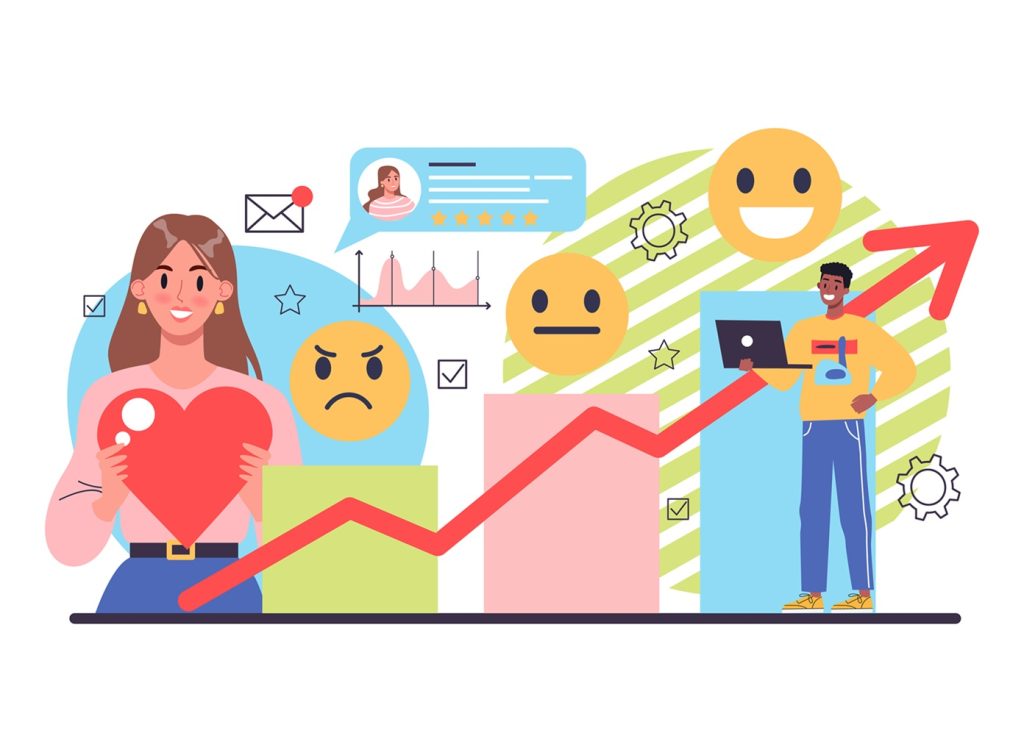
What Sentiment Analysis Means for Your Brand
Most Instagram marketers track likes, reach, and follower counts. However, these numbers only tell part of the story. They tell you how many people saw your content, but not how those people felt about it. That is where sentiment analysis comes in. Sentiment analysis is the process of evaluating the emotional tone behind comments, messages, and other audience responses. It helps you understand whether your audience reacts to your content with positivity, negativity, or neutrality. When you analyze sentiment on Instagram, you move beyond surface-level metrics and start to understand what your audience truly thinks and feels about your brand.
Sentiment analysis draws on a combination of language analysis and contextual interpretation. It looks at the words people use in comments and messages, and identifies patterns in emotional tone. A comment like “this is exactly what I needed” signals positive sentiment. A comment like “this is misleading” signals negative sentiment. A simple “okay” might signal neutral sentiment. Together, these signals build a picture of how your audience experiences your content and brand. Furthermore, sentiment analysis can reveal shifts in perception over time. A gradual increase in negative comments, for example, can indicate a problem that needs attention before it escalates.
Understanding sentiment is especially important on Instagram because the platform is highly social and highly emotional. People come to Instagram to connect, to be inspired, and to express themselves. Consequently, the language they use in comments and Stories replies tends to be more emotionally loaded than on other platforms. When you analyze sentiment on Instagram, you tap into a rich source of honest audience feedback. That feedback can inform your content strategy, your product development, your customer service approach, and even your brand positioning. In short, sentiment analysis gives you a window into the real human experience of your brand.
Sentiment Analysis Reveals What Numbers Alone Cannot
Engagement metrics (e.g., likes, comments) are useful, but they lack emotional depth. A post can receive hundreds of comments that are overwhelmingly negative and still appear to be performing well. Without sentiment analysis, you might celebrate a high comment count without realizing that the comments reflect frustration or criticism. Conversely, a post with fewer comments might be generating deeply positive responses signaling strong brand affinity. Therefore, when you analyze sentiment on Instagram, you add a qualitative layer to your data. That combination gives you a far more accurate picture of how your content is landing with real people.
Sentiment analysis also helps you identify your most emotionally resonant content. When a particular post generates a wave of enthusiastic, positive comments, that is valuable information. It tells you that the topic, format, tone, or message connected with your audience on a deeper level. You can use that insight to create more content that is similar. Additionally, sentiment analysis can reveal which topics or approaches trigger negative reactions. This lets you avoid repeating those mistakes. In other words, analyzing sentiment on Instagram functions as a real-time feedback mechanism that helps you continuously improve the quality and relevance of your content.
Beyond content strategy, sentiment analysis has practical value for brand reputation management. Negative sentiment can spread quickly on Instagram. A single critical comment that goes unaddressed can attract more negative responses and damage your brand’s image over time. However, when you monitor sentiment regularly, you can catch these situations early. You can respond promptly, correct misunderstandings, and show your audience that you take their concerns seriously. Moreover, a thoughtful response to negative sentiment often turns a dissatisfied follower into a loyal one. Proactive reputation management through sentiment monitoring is one of the most underused tools available to Instagram marketers today.
Understanding Sentiment Analysis: Positive, Negative, and Neutral
Sentiment analysis divides audience responses into three broad categories. Positive sentiment includes comments and messages that express enthusiasm, gratitude, agreement, admiration, or satisfaction. Examples include phrases like “I love this,” “so helpful,” “exactly what I needed,” and “you always deliver.” These responses indicate that your content is meeting or exceeding expectations. When you analyze sentiment on Instagram and find a high proportion of positive responses, it is a strong sign that your content strategy is working well. Positive sentiment also correlates with higher loyalty, stronger word-of-mouth, and better long-term retention of your audience.
Negative sentiment includes responses that express frustration, disappointment, disagreement, or criticism. These might include comments like “this is not accurate,” “I expected better,” or “this feels like a sales pitch.” Negative sentiment is not always a bad thing. Sometimes it reflects a genuine misunderstanding that you can address. Other times, it reveals a real flaw in your content, product, or communication. In either case, negative sentiment is valuable information. Furthermore, the way you respond to negative comments shapes how your entire audience perceives your brand. A calm, respectful, and constructive response to criticism can actually strengthen trust and demonstrate your brand’s integrity.
Neutral sentiment sits between the two extremes. Neutral comments might include simple questions, factual observations, or brief acknowledgments like “interesting” or “noted.” These responses do not express strong emotion in either direction. However, they are still worth tracking. A high proportion of neutral sentiment might indicate that your content is informative but not emotionally engaging. It might mean that your audience appreciates what you share but does not feel deeply connected to it. Therefore, when you analyze sentiment on Instagram and see a lot of neutral responses, consider how you might add more personality, warmth, or storytelling to your content to inspire stronger emotional reactions.
Practical Methods of Analysis
The most straightforward analysis method is manual review. Set aside time each week to read through the comments on your recent posts. Look for patterns in the language people use. Note which posts attract the most positive responses and which attract the most negative ones. Also, pay attention to the tone of direct messages you receive. These tend to be more candid than public comments because people feel more comfortable expressing their true feelings in private. Manual review is time-consuming, but it gives you a nuanced, firsthand understanding of your audience’s perspective that no tool can fully replicate.
For larger accounts with high comment volumes, manual review alone is not practical. Third-party tools can help you analyze sentiment on Instagram at scale. Tools like Brandwatch, Mention, Sprout Social, and Hootsuite Insights use automated language analysis to classify comments and mentions by sentiment category. These tools scan large volumes of text and flag significant shifts in tone or sentiment. Some tools let you set up alerts for sudden spikes in negative sentiment, so you can respond in real time. While automated tools are not perfect, they provide a useful overview that you can then investigate more deeply with manual review.
A third approach is to use Instagram’s native features to gather direct sentiment data. Polls and question stickers in your Stories let you ask your audience directly how they feel about specific topics, products, or content types. This is active sentiment research, as opposed to passive analysis of existing comments. Its advantage is that it gives you clear, structured responses, not open-ended language that requires interpretation. It shows your audience that you value their opinions, which builds goodwill and strengthens engagement. Combining all three methods gives you the most complete picture of your audience’s emotional relationship with your brand.
Why Emotional Tone Matters on Instagram
It is helpful to think from your follower’s perspective. Instagram is not a passive platform. People actively choose which accounts to follow, which posts to engage with, and which brands to trust. Every piece of content you publish either adds to or detracts from your audience’s emotional experience. If your content consistently makes people feel informed, inspired, or entertained, they develop positive associations with your brand. Over time, those positive associations translate into loyalty and advocacy. However, if your content consistently makes people feel misled, bored, or pressured, they disengage and eventually unfollow.
From a follower’s perspective, the emotional tone of your content matters as much as the information. Two posts can communicate the same message but produce very different emotional responses depending on how they are written, designed, or framed. A caption that feels warm and conversational generates a different reaction than one that feels cold and transactional. A Reel that makes people laugh creates a different emotional memory than one that simply lists product features. Therefore, sentiment analysis is not just about measuring reactions. It is also about making intentional choices to create the emotional experience you want your audience to have.
Understanding your follower’s perspective also means recognizing that sentiment varies by audience segment. A comment that feels positive to one group might feel neutral or even negative others. Cultural context, age, location, and personal values all influence how people interpret language and tone. Consequently, when you analyze sentiment on Instagram, look for patterns across different types of follower rather than treating all sentiment data as uniform. If you notice that a particular segment of your audience consistently responds more negatively than others, investigate why. That insight can help you tailor your content more effectively and build stronger connections with a wider range of people.
How Sentiment Analysis Improves Your Content and Community Strategy
When you analyze sentiment on Instagram regularly, you gather a powerful set of insights that can improve both your content and your community management. As for content, sentiment data helps you identify which topics resonate most deeply. It reveals which formats and tones generate the most enthusiasm and highlights any content that creates confusion or frustration. This information helps you make more informed decisions about what to create, how to frame it, and which messages to amplify. Over time, this data-driven approach leads to content that consistently generates stronger emotional responses and deeper audience connection.
Regarding community management, sentiment analysis helps you prioritize allocation of your time and attention. Not all comments require the same level of response. A positive comment might need only a quick thank you. A neutral question might need a clear, informative reply. However, negative comments often require a more thoughtful, personal response that acknowledges the person’s concern and offers a constructive resolution. Using sentiment analysis to categorize and prioritize comments lets you respond more efficiently and more effectively. Furthermore, consistent and empathetic community management builds a reputation for responsiveness that attracts more engaged followers to your account.
Sentiment analysis also informs your broader brand strategy beyond Instagram. The insights you gather from your Instagram audience can reveal patterns that apply across your entire customer base. For example, if you notice recurring negative sentiment around a specific product feature, that feedback is worth sharing with your product development team. If you see consistent positive sentiment around a particular brand value or message, that insight can shape your overall marketing communications. In other words, when you analyze sentiment on Instagram, you are not just improving your social media performance. You are gathering real-world intelligence about how people perceive and experience your brand across every touchpoint.
Making Sentiment Analysis a Regular Part of Your Instagram Strategy
To get the most value from sentiment analysis, you need to make it a consistent practice rather than a one-time exercise. Build it into your regular content review process. After each major campaign or content series, set aside time to analyze the sentiment data and draw conclusions. Compare sentiment trends across different time periods to identify patterns. For example, does sentiment improve after you post educational content? Does it dip when you post promotional content too frequently? These patterns contain important lessons. Moreover, tracking sentiment over time allows you to measure the impact of changes you make to your content strategy, so you can see whether your adjustments are producing the desired results.
It is also worth creating a simple system to document your sentiment findings. Keep a log of key insights from each analysis session. Note the content types and topics that generate the strongest positive sentiment. Flag any recurring sources of negative sentiment and track whether they persist or resolve over time. Share these insights with anyone else on your team who contributes to your Instagram strategy. Furthermore, use this documentation to build a growing body of knowledge about your audience’s emotional relationship with your brand. Over time, this knowledge base becomes one of your most valuable strategic assets, helping you make smarter decisions across every aspect of your Instagram presence.
Fazit
Finally, approach sentiment analysis with an open mind and a willingness to act on what you find. Data is only useful if you use it. When you analyze sentiment on Instagram and discover something unexpected or uncomfortable, resist the urge to dismiss it. Instead, treat it as an opportunity to learn and improve. Your audience’s honest emotional responses are among the most valuable signals available to you as a marketer. They reflect real human experiences that no algorithm can fully capture. When you take those signals seriously and let them guide your strategy, you build a brand on Instagram that earns not just followers, but genuine trust and lasting loyalty.
VerifiedBlu kann Ihnen dabei helfen, Ihre Instagram-Follower auf organische und authentische Weise zu steigern. Kontaktieren Sie uns noch heute.
