
Cost Efficiency vs. Effectiveness on Instagram: Why You Need Both
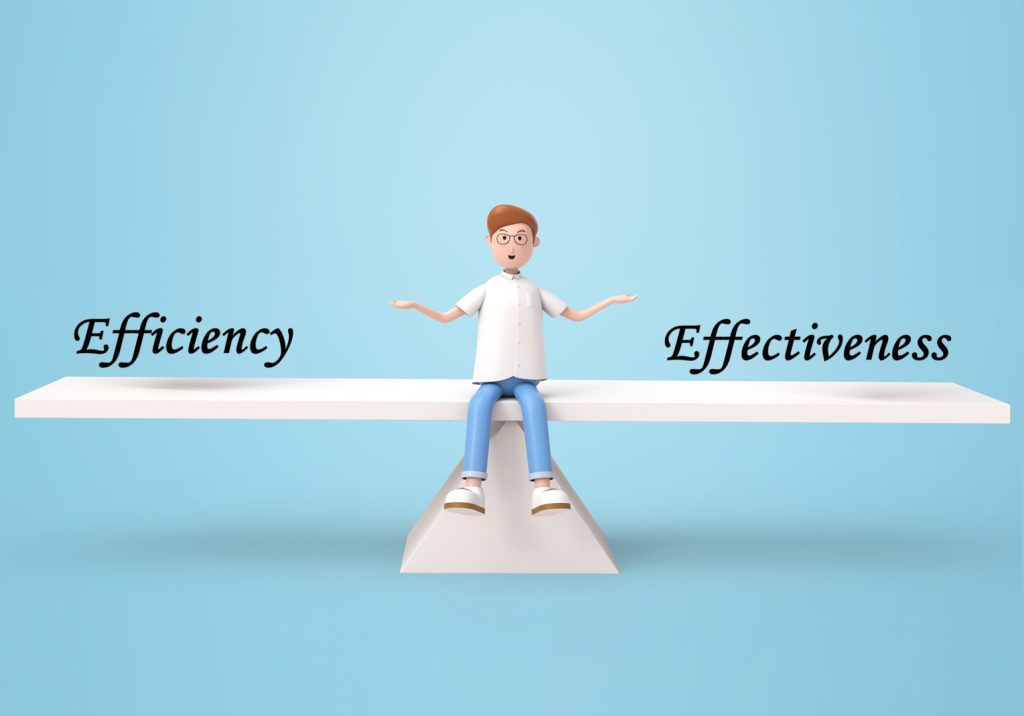
Cost efficiency and cost effectiveness represent distinct but complementary approaches to Instagram marketing that successful brands must balance strategically. Efficiency focuses on minimizing expenses without lowering output, whereas effectiveness emphasizes achieving desired outcomes regardless of resource investment. Furthermore, efficiency asks “are we doing things right?” while effectiveness asks “are we doing the right things?” Many marketers mistakenly prioritize one concept over the other, creating imbalanced strategies that perform poorly. Moreover, true marketing success requires optimizing both dimensions simultaneously rather than sacrificing one for the other. This comprehensive guide explores cost efficiency vs. effectiveness on Instagram, examining how they differ, why both matter, and how brands can strategically balance these priorities to maximize marketing performance and business results.
Understanding Cost Efficiency and What It Measures
Cost efficiency measures how well you minimize expenses relative to output produced, focusing on resource optimization and operational economy. Therefore, efficient Instagram marketing results in maximum content, reach, or engagement using minimal financial and human resources. Efficiency metrics include cost per post, cost per follower, or cost per engagement compared to benchmarks. Additionally, efficiency considers time investment alongside monetary costs, valuing streamlined workflows and automated processes. High efficiency means doing more with less, maximizing resource productivity across all marketing activities.
Improving efficiency involves optimizing processes, eliminating waste, and finding economical alternatives that maintain acceptable quality standards. Consequently, efficient marketers use templates, scheduling tools, and content repurposing to reduce production time and costs. They negotiate favorable rates with creators, leverage user-generated content, and automate routine tasks wherever possible. Moreover, approaches focused on efficiency prioritize scalability, ensuring marginal costs decrease as activity volume increases. Operational efficiency creates sustainable marketing programs that remain viable even with limited budgets or resources.
Cost efficiency on Instagram becomes particularly important when budgets are tight or when scaling activities beyond current levels. Furthermore, startups and small businesses often must prioritize efficiency given limited resources compared to larger competitors. Even well-funded brands benefit from efficient operations that free resources for strategic initiatives and experimentation. Additionally, efficiency creates capacity for increased activity volume without proportional budget increases. Understanding efficiency fundamentals helps marketers identify waste and optimize resource use without compromising necessary activities.
Defining Cost Effectiveness and Its Strategic Importance
Cost effectiveness measures how well marketing investments achieve desired business objectives regardless of absolute expenditure levels involved. Therefore, effective Instagram marketing successfully drives awareness, engagement, conversions, or other goals aligned with business priorities. Effectiveness metrics include conversion rates, customer acquisition cost, brand lift, or revenue resulting from Instagram activities. Additionally, effectiveness considers outcome quality and strategic alignment rather than purely quantitative output measures. High effectiveness means reaching objectives that matter for business success even when needing substantial investment.
Achieving effectiveness requires strategic focus on activities that truly drive results rather than those that merely appear productive. Consequently, effective marketers invest in high-quality content, strategic partnerships, and targeted campaigns even when costly. They prioritize testing and optimization to identify what actually works before scaling proven approaches. Moreover, effectiveness-focused strategies accept higher costs for activities demonstrating superior outcomes and business impact. Strategic effectiveness ensures marketing efforts contribute meaningfully to business objectives rather than generating empty metrics.
Understanding cost efficiency vs. effectiveness on Instagram requires understanding that effectiveness ultimately determines whether marketing creates business value. Furthermore, highly efficient programs that fail to achieve meaningful outcomes waste resources despite low costs. Conversely, expensive programs giving strong business results justify their costs through demonstrated value creation. Additionally, effectiveness provides the fundamental thinking for marketing investment while efficiency optimizes how those investments get executed. Without effectiveness, efficiency becomes empty optimization of activities that don’t matter.
Key Differences in Measurement and Evaluation
Efficiency metrics focus on input-output ratios measuring resource productivity and operational economy across marketing activities. Therefore, marketers track metrics like cost per thousand impressions, cost per engagement, or production cost per content piece. These metrics reveal whether operations are economical compared to benchmarks or historical performance. Additionally, efficiency measurements often emphasize short-term operational metrics rather than long-term strategic outcomes. Efficiency evaluation asks whether you’re getting good value from resources spent on specific activities.
Effectiveness metrics emphasize outcome achievement and hitting targets measuring whether marketing activities drive desired business results. Consequently, marketers track conversion rates, customer lifetime value, brand awareness lift, or revenue attribution to Instagram. These metrics reveal whether strategies successfully accomplish objectives that matter for business success. Moreover, effectiveness measurements typically emphasize medium to long-term strategic outcomes rather than immediate operational outputs. Effectiveness evaluation asks whether marketing activities truly contribute to business objectives regardless of cost.
The measurement differences in cost efficiency vs. effectiveness on Instagram reflect distinct questions each concept addresses strategically. Furthermore, efficiency measurements help optimize execution and resource use within established strategies. Effectiveness measurements help determine which strategies deserve investment and optimization in the first place. Additionally, efficiency metrics tend toward simplicity and frequent tracking while effectiveness metrics often require complex attribution and longer evaluation periods. Understanding measurement differences prevents confusing operational economy with strategic success or mistaking activity for accomplishment.
Why Efficiency Without Effectiveness Harms Return on Investment
Prioritizing efficiency without protecting effectiveness creates highly economical programs that fail to drive meaningful business outcomes. Therefore, brands may produce content cheaply and frequently while creating minimal awareness, consideration, or conversions. Low-cost approaches that don’t resonate with audiences or advance strategic objectives waste resources despite operational economy. Additionally, optimization of ineffective strategies amplifies failure at scale rather than fixing fundamental problems. Efficiency alone cannot make up for poor strategy, weak creative, or misaligned targeting.
Efficiency-obsessed approaches often sacrifice quality, creativity, and strategic thinking that drive genuine effectiveness and business impact. Consequently, cutting costs too much leads to generic content, amateur execution, and commoditized messaging that fails to stand out. Audiences ignore low-quality content regardless of production efficiency, making cost savings meaningless if nobody engages. Moreover, efficiency pressures discourage experimentation and innovation required to discover breakthrough strategies and creative approaches. Extreme efficiency focus creates race-to-the-bottom dynamics where minimal investment yields minimal results.
Understanding cost efficiency vs. effectiveness on Instagram means seeing that cheap failure costs more than expensive success over time. Furthermore, ineffective efficient programs consume resources, opportunity costs, and team bandwidth without providing returns. Failed efficient strategies damage brands through low-quality presence and wasted months chasing wrong approaches. Additionally, efficiency-driven underinvestment in proven effective strategies limits growth potential and competitive positioning. Strategic success requires ensuring effectiveness first, then optimizing efficiency within effective approaches rather than vice versa.
Why Effectiveness Without Efficiency Is Unsustainable
Pursuing effectiveness without considering efficiency creates unsustainable programs that deliver results at prohibitive costs impossible to maintain. Therefore, brands may achieve strong engagement or conversions through expensive production, premium partnerships, or excessive spending. Unsustainable costs eventually force budget cuts that eliminate effective programs despite their business contribution. Additionally, inefficient effectiveness creates opportunity costs as excessive spending on some activities starves other marketing initiatives. Effectiveness without efficiency limits scalability and reduces overall marketing portfolio performance.
Ignoring efficiency while chasing effectiveness encourages wasteful practices, unnecessary expenses, and missed opportunities for cost-benefit optimization improvements. Consequently, marketers may pay premium rates without negotiating, overlook economical alternatives, or tolerate inefficient workflows. Excessive spending on slightly superior options wastes resources that could fund additional effective initiatives. Moreover, being blind to efficiency prevents identifying where cost reductions would minimally impact outcomes versus where investments truly drive results. Lack of efficiency consciousness reduces overall return on investment across marketing programs.
Balancing cost efficiency vs. effectiveness on Instagram requires seeing that even highly effective programs benefit from efficiency optimization. Furthermore, reducing costs for proven strategies frees resources to test new approaches or expand successful programs. Efficiency improvements within effective frameworks compound returns by reducing acquisition costs while maintaining conversion rates. Additionally, sustainable efficiency enables long-term strategy continuation rather than boom-bust cycles of excessive spending followed by drastic cuts. Strategic efficiency extends effective program longevity and maximizes cumulative business impact over time.
How to Measure Return on Investment Holistically
Calculating true return on investment requires comprehensive accounting of all costs including direct expenses, opportunity costs, and time investments. Therefore, marketers must track not just advertising spend but also content production, management overhead, and tool subscriptions. Include creator fees, product seeding, employee time, and agency retainers in total cost calculations. Additionally, account for opportunity costs from resources used for Instagram versus alternative marketing channels. Complete cost accounting enables accurate ROI assessment and prevents underestimating true program expenses.
Measuring return on investment means attributing business outcomes specifically to Instagram activities rather than assuming correlation implies causation. Consequently, implement tracking mechanisms like UTM parameters, unique promo codes, or dedicated landing pages. Use multi-touch attribution models acknowledging Instagram’s role in customer journeys alongside other touchpoints. Moreover, conduct careful testing that compares results with and without specific Instagram investments. Rigorous attribution prevents giving too much credit or too little credit to Instagram for business outcomes it influences.
Understanding cost efficiency vs. effectiveness on Instagram through ROI analysis reveals which activities deliver optimal returns versus those that underperform. Furthermore, compare ROI across content types, partnership tiers, and campaign objectives to identify highest-value investments. Analyze whether expensive effective strategies generate sufficient incremental returns to justify premiums over efficient alternatives. Additionally, assess whether efficiency optimizations maintained effectiveness or inadvertently degraded outcomes and ROI. Comprehensive ROI analysis guides strategic resource allocation that balances efficiency and effectiveness optimally.
Strategies for Achieving Operational Efficiency Aimed at Improved Return on Investment
Implementing content templates and repeatable frameworks reduces production time and costs while keeping quality and strategic alignment. Therefore, develop templates for common content types including product features, customer testimonials, and educational posts. Create standard processes for content planning, creation, approval, and publishing across team members. Additionally, build asset libraries with brand-approved graphics, photos, and copy snippets allowing faster assembly. Systematic approaches reduce redoing processes repeatedly and enable efficient scaling as activity increases.
Leveraging automation tools for scheduling, publishing, and routine engagement optimizes time investment and reduces manual work. Consequently, use scheduling platforms to batch content creation and maintain consistent posting without daily manual efforts. Implement chatbots or automated responses for common customer inquiries on Instagram. Moreover, utilize Analytics dashboards aggregating data rather than manually compiling reports from multiple sources. Strategic automation frees team capacity for high-value activities needing human creativity and judgment.
Balancing cost efficiency vs. effectiveness on Instagram involves finding economical content sources that maintain quality through user-generated content and efficient partnerships. Furthermore, encourage customers to create content featuring your products through incentives, contests, or community programs. Partner with micro-influencers offering strong engagement at lower costs than celebrities or mega-influencers. Additionally, repurpose existing assets across formats transforming single photoshoots into multiple posts, Stories, and Reels. Resourceful content strategies achieve consistency and quality without prohibitive production costs.
Tactics for Maximizing Strategic Effectiveness
Investing in audience research and customer insights ensures marketing efforts target right people with relatable messaging. Therefore, conduct surveys, analyze demographics, and study engagement patterns to understand audience preferences deeply. Use insights to develop personas guiding content strategy, partnership selection, and messaging approaches. Additionally, test messaging variations to identify what actually drives desired responses versus assumptions. Strategic targeting and messaging significantly improve effectiveness by making sure that efforts reach and resonate with people most likely to convert.
Prioritizing creative quality and production values enhances effectiveness by gaining attention and communicating professionalism in crowded feeds. Consequently, invest in professional photography, compelling copywriting, and thoughtful content design that reflects brand standards. Allocate budgets for occasional high-production content creating flagship pieces that drive disproportionate results. Moreover, recognize that quality often matters more than quantity for driving meaningful engagement and business outcomes. Strategic quality investments differentiate brands and drive effectiveness despite potentially higher costs.
Understanding cost efficiency vs. effectiveness on Instagram requires strategic testing to identify high-performing approaches before optimizing their efficiency. Furthermore, experiment with various content types, partnership structures, and campaign strategies to discover what drives best results. Measure effectiveness across tests using consistent metrics and statistically valid methodologies. Additionally, scale winning approaches while improving their efficiency through process optimization and cost negotiation. Test-and-learn approaches prevent premature efficiency optimization of ineffective strategies while enabling confident investment in proven winners.
Balancing Both Priorities for Optimal Cost-Benefit Outcomes
Establishing tiered strategy frameworks enables appropriate resource allocation that matches investment levels to expected returns and strategic importance. Therefore, identify hero content that deserves premium investment, regular content needing efficient production, and experimental content testing new approaches. Allocate largest budgets to proven effective strategies while keeping efficiency in routine operations. Additionally, reserve modest budgets for testing potentially breakthrough approaches without excessive risk. Tiered frameworks prevent both investing too little in critical activities and spending too much on efforts that have low impact.
Implementing value-based decision frameworks helps evaluate whether efficiency improvements or effectiveness investments offer superior cost-benefit returns. Consequently, calculate whether spending reductions create meaningful worsening of quality affecting outcomes versus acceptable economizing. Assess whether effectiveness investments generate incremental returns that justify additional costs versus diminishing returns. Moreover, consider strategic context including competitive pressure, growth stage, and available resources when balancing priorities. Contextual decision-making optimizes trade-offs between efficiency and effectiveness based on specific situations.
Achieving optimal cost efficiency vs. effectiveness on Instagram requires continuous evaluation and adjustment as strategies mature and circumstances evolve. Furthermore, initially prioritize effectiveness to identify what works, then optimize efficiency once proven strategies emerge. Monitor whether efficiency improvements inadvertently degrade effectiveness that needs recalibration. Additionally, reassess balance regularly as budgets change, competition increases, or platform dynamics shift. Dynamic balancing maintains optimal performance rather than rigid adherence to initial frameworks regardless of changing conditions.
Common Mistakes in Balancing Efficiency and Effectiveness
Prematurely optimizing efficiency before confirming effectiveness wastes resources trying to perfect approaches that don’t work strategically. Therefore, resist pressure to minimize costs immediately before testing reveals which strategies actually drive desired outcomes. Early efficiency focus prevents finding breakthrough approaches needing initial investment to demonstrate potential. Additionally, optimization too early creates false confidence in economical programs delivering poor results efficiently. Strategic sequence matters—establish effectiveness first, then optimize efficiency within working approaches.
Sacrificing strategic effectiveness to hit arbitrary efficiency targets or budget constraints undermines marketing’s fundamental business contribution. Consequently, rigid cost caps may force underinvestment in proven strategies generating strong returns justifying their costs. Efficiency obsession encourages cutting successful programs while keeping ineffective ones simply because they’re cheap. Moreover, artificial constraints prevent capitalizing on high-return opportunities when they emerge unpredictably. Results-oriented budgeting assigns resources based on demonstrated returns rather than arbitrary set limits.
Understanding cost efficiency vs. effectiveness on Instagram means avoiding false economies that increase costs ultimately through poor results needing remediation. Furthermore, cheap content may damage brand perception requiring expensive reputation management later. Ineffective efficient strategies waste time delaying discovery of working approaches and missing market opportunities. Additionally, underinvestment in testing prevents identifying effective strategies worth scaling and optimizing. Strategic investment in effectiveness prevents larger costs from failure, rework, and missed growth opportunities.
Conclusion
Cost efficiency vs. effectiveness on Instagram represent complementary priorities needing strategic balance rather than binary choices that favor one over the other. Efficiency optimizes resource usage within strategies while effectiveness ensures strategies actually accomplish meaningful business objectives. Furthermore, efficiency without effectiveness wastes resources on economical failure while effectiveness without efficiency creates unsustainable programs despite strong results. Successful Instagram marketing requires first establishing effectiveness through strategic testing, then optimizing efficiency within proven approaches. Moreover, continuous evaluation and adjustment maintain optimal balance as circumstances, competition, and opportunities evolve. By measuring both dimensions comprehensively, implementing tiered investment frameworks, and avoiding common balancing mistakes, brands maximize return on investment. Remember that true marketing success emerges from doing the right things efficiently rather than doing wrong things economically or right things unsustainably.
VerifiedBlu can help you grow your Instagram followers organically and authentically. Contact us today.
