
How to Run a Simple A/B Test on Two Instagram Captions
Why Low-Effort Testing That Still Works Beats Guessing
Most creators write captions by instinct. They try a clever opening line, hit publish, and hope people respond. Sometimes it works, and sometimes it doesn’t, but they rarely know why. An Instagram caption A/B test fixes that problem. The idea is simple: you write two versions of a caption, post them under similar conditions, and compare what happens. You don’t need special software, a big audience, or a statistics degree. You only need a little discipline and a notes file. When you test on purpose, every post teaches you something. Over time, those lessons add up to a clear picture of what your audience likes. That picture saves time, reduces stress, and helps you write stronger captions with confidence. It’s a small habit with a big return.
What an A/B Test Actually Means
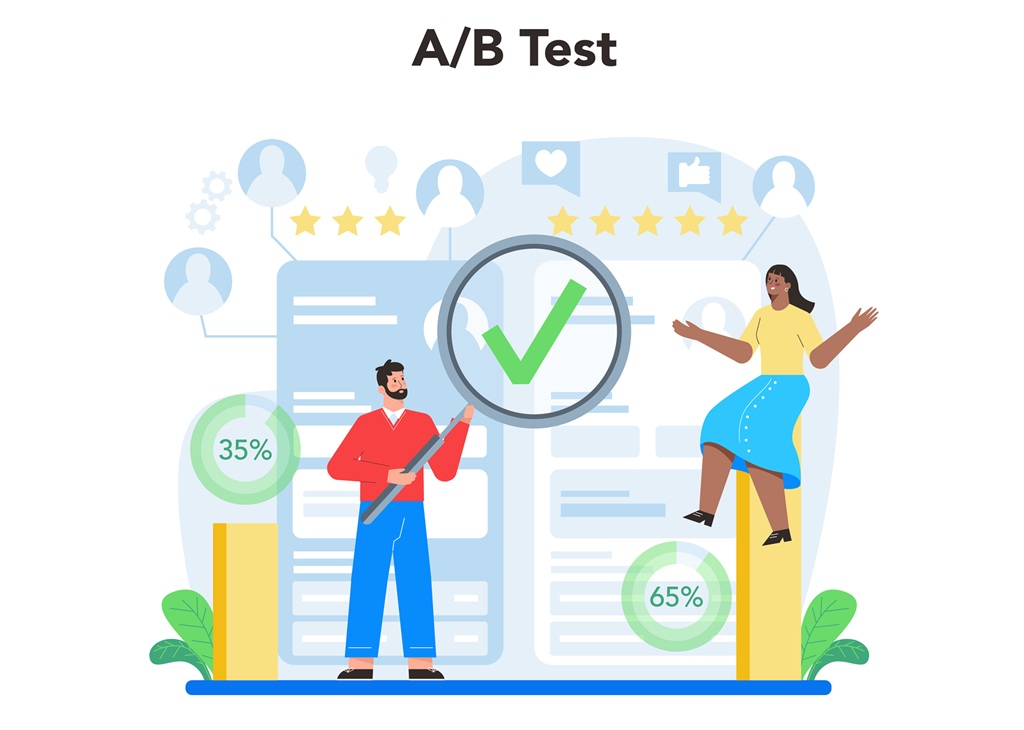
An A/B test compares two versions of one thing, where only one detail differs. Version A is your usual approach, and version B changes just one piece. For example, A might open with a question, while B opens with a bold statement. Everything else stays the same, including the photo, the topic, and the posting time. Because only one piece changed, any difference in results points to that piece. That’s the whole logic. Instagram doesn’t let you split one organic post into two versions for different viewers. So you run your test across two similar posts instead. This takes more care than a tool built for splitting, but it works well when you control the conditions. The method is simple enough for any creator. It also costs nothing.
Which Caption Elements Deserve a Test
Captions have many parts, and some matter more than others. The first line often matters most, because it appears before the viewer taps to read more. Length is another strong candidate, since some audiences prefer short lines and others enjoy longer stories. The call to action also deserves attention. Does asking people to save the post beat asking them to comment? Even emoji use and hashtag placement can make a difference. Each Instagram caption A/B test should focus on only one of these elements. If you change the hook, the length, and the call to action together, you won’t know which change caused the result. Start with the part you suspect has the biggest effect, then move on to the next. Patience pays off here.
Getting a Usable Answer, Not a Guess, Starts With One Variable
A test is only useful if it can give a clear answer. That’s why changing one variable at a time is so important. Imagine you rewrite the hook and the call to action together, and the second post wins. Which change helped? You can’t tell. Maybe both helped, or maybe one helped and the other hurt. A single variable removes that confusion. Write down a simple question before you begin, such as: does a question hook earn more saves than a statement hook? Then design the test to answer only that question. This habit forces you to think clearly about what you want to learn. It also keeps your experiments small, which makes them easier to repeat and easier to finish. Small tests also fit easily into a busy week.
Pick One Variable to Change
Choose the variable that matches your biggest goal. If you want more comments, test the call to action or the closing question. On the other hand, if you want more reach, test the hook, since it affects whether people read on. If you want more saves, test how useful and specific the caption feels. Write your guess before you run the Instagram caption A/B test, because a written guess keeps you honest. Then keep every other detail steady. Use the same image style, the same topic area, the same hashtags, and the same length unless length is the variable. A tidy test may feel boring, yet boring tests produce the cleanest answers. Save the creative experiments for later rounds. First, learn the basics.
Write Two Clear Versions
Now write your two versions side by side. Make the difference obvious, so the test has a real chance to show an effect. A tiny change, such as swapping one word, rarely produces a visible result. Instead, create a clear contrast. Version A might use a short, three-line caption, while version B tells a longer story. Or A might end with a question, while B ends with a direct request to save the post. Label them in your notes as A and B, and keep both drafts. Read each one aloud to check that it sounds natural. Both versions should feel like you, and both should be good enough to post. If one version feels weak, the test will only show that it was weak. Quality matters on both sides.
Keep the Conditions Fair
Fair conditions are what turn a guess into a test. Many things affect how a post performs, including the time of day, the day of the week, the topic, and the format. If version A goes live on a quiet Tuesday morning and version B goes live on a busy Saturday, the result tells you almost nothing. For a reliable Instagram caption A/B test, match those details as closely as you can. Post both versions in the same format, such as two single-image posts or two Reels. Post them at the same hour on similar days. Choose topics of similar interest, so one doesn’t have an unfair advantage. Perfect balance isn’t possible, but careful matching removes most of the noise. That’s good enough for a useful answer.
Match Time, Format, and Audience
Start by choosing two posting slots that look alike. For example, use two Wednesday evenings a week apart. Then pick two pieces of content that fit the same category, such as two how-to posts. Avoid testing a major announcement against a casual snapshot, because they attract different attention. Also think about your audience. If you post a promotion or a news item in one slot, your followers may react differently for reasons that have nothing to do with the caption. Avoid holidays and big events, too. To reduce bias, switch the order in the next round, so B goes first and A goes second. That way, the order can’t favor one version in every test. Small, steady habits like these protect your results. They also make your notes easier to read later.
A Routine for Low-Effort Testing That Still Works
You can build a routine that takes almost no extra time. Each week, write two caption versions for two similar posts, and keep a short note in a spreadsheet. After a few days, record the key numbers. That’s it. This kind of low-effort testing fits a busy schedule, because each Instagram caption A/B test uses posts you’d publish anyway. You simply change how you write and track what you already publish. Over a month, you’ll complete several small tests without feeling overloaded. Keep the spreadsheet simple, with columns for the date, the version, the variable, the main metric, and a short note. Simple systems last longer than complicated ones, and lasting systems produce the best data. Keep yours light and easy.
Run the Test and Collect Data
Once both posts are ready, publish the first and let it run for a set period. Seven days is a good window for most accounts, since most engagement arrives in the first few days. Then publish the second under matching conditions and track it for the same length of time. Don’t edit the caption during the test, and don’t promote one version more than the other. Resist the urge to check every hour. Instead, set a reminder for the end of the window and record the numbers then. Use the same screen for each post, such as the Insights page, so you read the same measures each time. Consistency in how you collect numbers matters as much as consistency in how you post. Both steps need care.
Getting a Usable Answer, Not a Guess, From Small Numbers
Small accounts worry that their numbers are too low for testing. That’s a fair concern, because one post can swing a lot by chance. The fix is repetition, not despair. Run the same Instagram caption A/B test several times, using different posts each round. If version B wins in four rounds out of five, you can trust that pattern far more than a single win. Also compare rates instead of raw counts. For example, divide saves by reach, so a post that reached more people doesn’t win only because of size. Decide in advance how big a difference counts as meaningful. A gap of a few percent may be noise, while a gap of thirty percent across rounds is worth your attention. Trends across rounds matter more than any one number.
Choose the Right Metric
The right metric depends on your goal. If you want conversation, count comments. Or, if you want to reach new people, look at shares and non-follower reach. If you want people to return later, count saves. Pick one main metric before the test starts, and don’t change it afterward. Switching to whichever number looks best is a common trap. It makes every test seem like a success, which means it teaches you nothing. You can still glance at other numbers for ideas, but treat them as hints, not proof. Profile visits and follows may also help if your caption includes a call to action for those steps. Keep the list short, and let one number decide the winner. That rule keeps your test honest.
Reading Results and Acting on Them
When the data is in, compare your two versions using your chosen metric. Write the numbers next to each other, and note the percent difference. Then ask whether the gap is large enough to matter, and whether it appeared in more than one round. If one version wins clearly, adopt its approach for your next batch of posts. If the results are close, call it a tie and move on. A tie is still useful, because it tells you that the variable doesn’t matter much. Don’t force a winner out of weak evidence. That leads to false rules, which can spread through your whole content plan. Honest, modest conclusions beat bold claims that don’t hold up. Patience is part of good testing.
Make Low-Effort Testing That Still Works a Habit
Testing pays off most when it becomes routine. Set aside one short session each week to plan the next Instagram caption A/B test and review the last one. Keep a running list of ideas, such as hooks, lengths, and calls to action. Pick the next item from the list, and let each result shape the following test. Over several months, you’ll build a personal playbook of captions that work for your audience. Share the notes with anyone who helps you run the account, so everyone writes from the same evidence. Also revisit old conclusions now and then, because audiences change. A rule that worked last spring may fade by winter. Keep testing, and keep your playbook fresh. Fresh evidence leads to fresh ideas.
Getting a Usable Answer, Not a Guess, Every Time
A good test is simple, fair, and repeated. Change one variable, match the conditions, pick one metric, and run several rounds. Then read the results with a calm mind. This process may sound modest, but it works, because it replaces hunches with evidence. You don’t need a large audience or expensive tools to get started. You need two captions, a spreadsheet, and the patience to wait for the numbers. Begin with your very next post. Choose a variable, write two versions, and set a date to review them. A few small experiments will teach you more about your audience than months of guessing, and every caption you write afterward will be stronger.
VerifiedBlu is a great resource for growing your Instagram followers organically and authentically. Contact us to talk about how we can help.
