
How to Build an Instagram Link-in-Bio Strategy That Converts
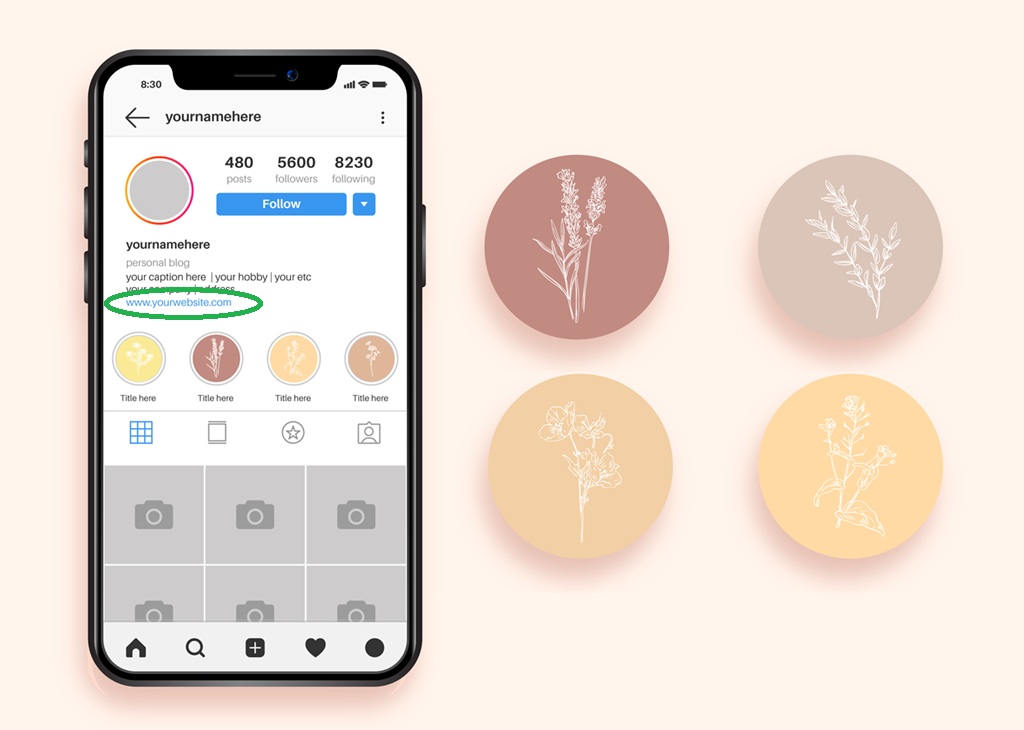
Why Your Bio Link Matters More Than You Think
Instagram gives creators only one clickable link outside of Stories and ads. That single spot carries an enormous amount of responsibility for turning followers into customers. An Instagram link in bio that sits unused or outdated wastes one of the few direct paths off the platform. Many accounts treat this link as an afterthought, updating it rarely and inconsistently. That neglect quietly costs sales, sign-ups, and traffic that could have gone somewhere useful. Treating the link as a living, evolving asset changes the entire relationship a creator has with it. Every caption, every post, and every Stories post can point toward that single, valuable destination. Consequently, small improvements to this single link often produce outsized returns. In fact, many creators discover that fixing this one spot outperforms hours spent on other tactics.
Optimizing Your Bio Link From Day One
Optimizing your bio link starts with deciding on a single, clear priority for visitors. Trying to promote five different things at once usually confuses more than it converts. Ranking priorities by current business goals helps decide what appears first on the page. A seasonal promotion or a new product launch often deserves the top spot temporarily. Older, evergreen content can sit farther down without losing much value. Reviewing and reordering this list every few weeks keeps the link feeling current. That small habit prevents the page from becoming a cluttered archive of outdated links. A fresh, focused link page signals to visitors that the account is active and intentional. Additionally, that freshness encourages repeat visits from followers who check back periodically. Over time, this habit becomes one of the easier, lower-effort wins available to a growing account.
Common Mistakes With the Bio Link
Pointing the link to a generic homepage is one of the most common missed opportunities. A homepage rarely matches what a visitor just saw in a specific normal post or Stories post. That mismatch increases the chance someone leaves without taking any action at all. Forgetting to update the link after a promotion ends is another frequent mistake. Visitors clicking through to an expired offer quickly lose trust in the account. Regularly auditing the link, ideally every week, catches these issues before they cost conversions. A five-minute check can prevent weeks of quietly wasted traffic. Therefore, treating this audit as a recurring task, not a one-time fix, matters considerably. Otherwise, small oversights tend to quietly accumulate into a meaningfully worse experience for visitors.
Driving Traffic From Instagram to Your Bio Link
A great link page means little if nobody actually clicks through to see it. Driving traffic from Instagram to that link requires consistent, deliberate prompts throughout regular content. Simply having a link isn’t enough; followers need a clear reason to tap it. Captions that mention the link naturally, rather than as an afterthought, tend to perform better. Stories offer another strong opportunity, especially with interactive stickers pointing toward the bio. Reminding followers where to find the link, even briefly, keeps it top of mind. That repetition feels redundant to the creator but rarely feels that way to the audience. Therefore, mentioning an Instagram link in bio just once in a caption rarely produces meaningful results. Consistent, varied reminders across posts, Stories, and captions tend to perform far better over time.
Using Stories to Point Traffic to the Link
Stories disappear after a day, which makes them a natural place for timely link reminders. A simple arrow sticker pointing toward the profile can meaningfully boost bio visits. Combining that visual cue with a short, direct instruction works even better. Highlighting Stories can also preserve a permanent reminder for anyone visiting the profile later. That evergreen Stories highlight becomes a quiet, always-available nudge toward the bio link. Refreshing these highlights occasionally keeps them from feeling stale or outdated. A little maintenance here pays off in consistently steady traffic over time. Meanwhile, ignoring these highlights lets them quietly fall out of date within just a few weeks. As a result, a five-minute refresh once a month keeps this channel working as intended.
Optimizing Your Bio Link for Different Goals
Optimizing your bio link looks different depending on whether the goal is sales, sign-ups, or awareness. A sales-focused link page should lead directly to the product, not a distracting menu of options. A sign-up goal benefits from a short, clear form embedded right at the top. Awareness campaigns might instead link to a portfolio, a press feature, or a media kit. Matching the link’s structure to the actual goal removes friction for the visitor. Fewer clicks between arrival and action almost always produce a stronger conversion rate. That principle holds true regardless of which specific goal a creator is chasing. Ultimately, clarity about the goal should come before any decision about design or layout. Otherwise, even a beautifully designed page can quietly underperform against a poorly matched objective.
Choosing the Right Link-in-Bio Tool
Several tools now exist specifically to turn one link into a small landing page. These tools let a creator list multiple destinations, each with its own image and description. Choosing between free and paid options depends mostly on how much customization is needed. Free versions usually cover the basics well enough for most beginning or mid-sized accounts. Paid versions add features like analytics, custom branding, and more flexible layouts. Testing a free option first before committing to a paid plan is a reasonable approach. Switching tools later is possible, though it does require updating the link everywhere it’s shared. Choosing carefully from the start saves that hassle down the road. However, no tool alone fixes a poor strategy behind an Instagram link in bio. Ultimately, the tool only supports decisions that still need to be made thoughtfully.
Driving Traffic From Instagram Through Strategic Placement
Driving traffic from Instagram also depends on where the link gets mentioned across the platform. Pinning a comment with a gentle reminder can catch users already engaged with a post. Mentioning the link in a Carousel‘s final slide captures attention right as a viewer finishes swiping. Placing it in a profile’s featured highlight makes it visible to anyone browsing the account. Each of these placements reaches a slightly different moment in the follower’s experience. Layering several placements together tends to produce more consistent traffic than relying on just one. That layered approach covers more of the ways someone might discover the account. Furthermore, each placement can be tested individually to see which one drives the most engagement. Over several weeks, that testing reveals a clearer picture of where effort pays off best.
Weighing Analytics and Tracking Options
Most link-in-bio tools include at least basic click tracking within their dashboards. Reviewing this data regularly reveals which posts or campaigns actually drive real clicks. Pairing that data with Instagram’s own Insights offers an even clearer picture of performance. UTM parameters, though slightly technical, allow tracking clicks all the way through to a sale or sign-up. Setting these up once at the start saves considerable guesswork later on. That extra layer of tracking often reveals surprising gaps between assumptions and actual results. In turn, those Insights help prioritize which promotions and formats deserve more attention going forward. Without this data, most decisions end up based on guesswork rather than evidence.
Structuring Your Link Page for Conversions
A cluttered link page overwhelms visitors instead of guiding them toward a clear action. Limiting the page to three or four strong options keeps decision-making simple. Placing the single most important link at the very top captures the most attention. Clear, specific labels work better than vague ones like “click here” or “more info.” A visitor should understand exactly what waits behind each link before tapping it. That clarity reduces hesitation and noticeably improves overall click-through rates. Testing different labels over time can reveal which wording resonates best with a specific audience. Small wording changes sometimes produce surprisingly large shifts in performance. Similarly, testing the order of links can reveal which position captures the most attention. Over time, these small experiments add up to a page that performs noticeably better.
Optimizing Your Bio Link Layout
Optimizing your bio link layout means thinking carefully about visual hierarchy, not just content. Bold buttons for the most important links help them stand out from secondary options. Consistent branding, including colors and fonts, builds trust and recognition across visits. Adding a short profile photo or header image also makes the page feel more personal. That personal touch reassures visitors they’ve landed in the right place. Simplicity in design, paired with clear priorities, tends to outperform an overloaded page every time. A clean layout also loads faster, which matters for visitors on slower connections. Therefore, an Instagram link in bio that loads quickly and looks organized earns more trust immediately. In contrast, a slow, cluttered page often loses visitors before they even see the offer.
Updating the Page as Priorities Shift
A link page isn’t a set-it-and-forget-it asset; it needs regular attention. New product launches, seasonal offers, and expired promotions all call for quick updates. Setting a recurring weekly reminder makes this maintenance far less likely to be forgotten. A stale page filled with outdated offers quietly erodes trust over time. Regular updates, by contrast, signal that the account behind it is active and attentive. That signal matters more to visitors than most creators initially realize. A well-maintained page becomes a small but consistent driver of ongoing conversions. Meanwhile, neglecting this upkeep tends to undo much of the earlier design and strategy work. So, treating updates as routine maintenance, rather than an occasional chore, protects that investment.
Driving Traffic From Instagram: Measuring What Works
Building a strong bio link strategy is only half the work; measuring it is the other half. Click-through rates reveal how many followers are actually engaging with the link at all. Conversion rates farther down the funnel show whether those clicks translate into real results. Comparing these numbers across different campaigns highlights which approaches are worth repeating. An Instagram link in bio that gets plenty of clicks but few conversions points to a page problem, not a promotion problem. Diagnosing exactly where visitors drop off helps focus improvement efforts where they matter most. That focused approach beats making broad, unfocused changes based on guesswork. Furthermore, tracking these numbers over months reveals trends that a single week never could. Ultimately, that longer view is what turns scattered guesses into a coherent, improving strategy.
Running Small Experiments Over Time
Testing one change at a time makes it far easier to see what actually worked. Swapping a single headline, button color, or link order can reveal surprisingly clear results. Running each test for at least a week smooths out normal day-to-day fluctuations. Keeping a simple log of what changed and when prevents confusion during later reviews. That habit turns a link page into an evolving tool rather than a fixed, static asset. Small, steady experiments compound into meaningfully better performance over several months. Patience with this process tends to pay off more than dramatic, sweeping overhauls. Meanwhile, resisting the urge to change everything at once keeps the results easy to interpret. As a result, each small win builds confidence in the next experiment.
Bringing It All Together
An effective Instagram link in bio ties together content, placement, design, and measurement into one system. None of these pieces works especially well in isolation from the others. A beautifully designed page still needs consistent traffic and clear promotion to succeed. Strong traffic still needs a well-organized destination to convert that attention into results. Treating the link as an ongoing project, not a one-time setup, keeps it improving steadily. That mindset shift is often what separates accounts that quietly convert from those that merely look active. Small, consistent effort here tends to compound into real, measurable business results over time. In the end, that steady compounding is what separates a link that merely exists from one that truly converts. So, the effort invested in this single piece of real estate rarely goes to waste.
VerifiedBlu can help you grow your Instagram followers organically and authentically. Contact us today.
