
How to Use Instagram Stories Polls as Audience Research
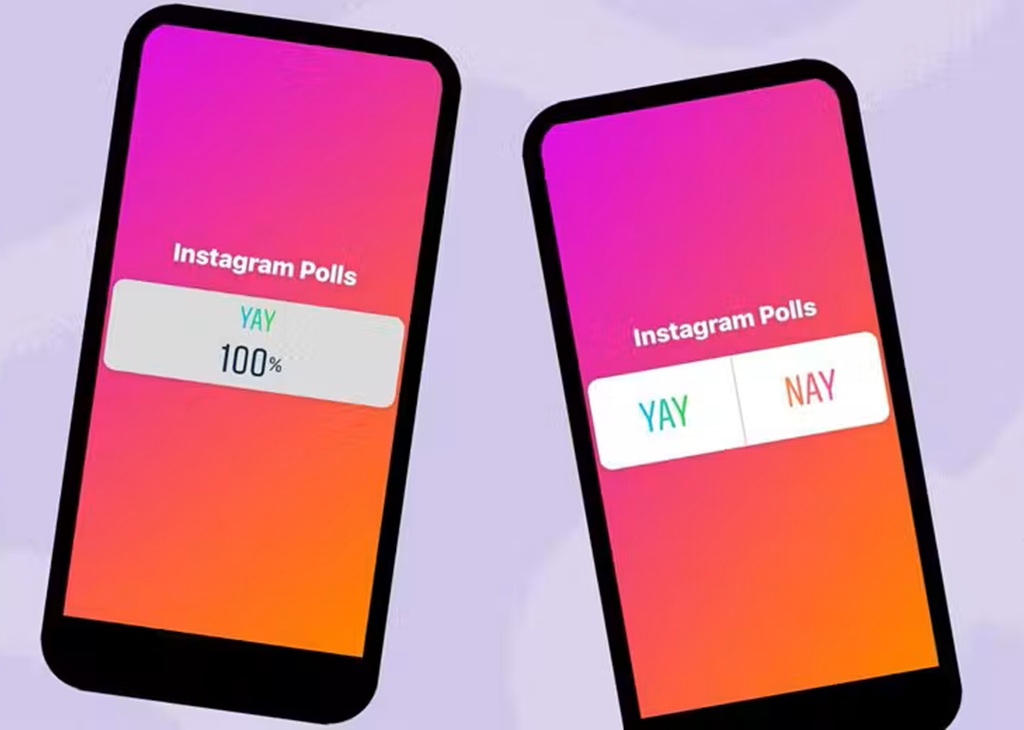
Treating Polls as a Data-Gathering Tool
Many creators treat Stories as a place to post and move on. That habit wastes a useful feature. Instagram Stories polls give you a fast, free way to ask your audience a direct question. Followers tap one of two options, and you see the result right away. This is real feedback from the people who already watch your content. It costs nothing, and it takes seconds to set up. Most accounts use polls for fun, but they can do far more. Used well, they replace guesswork with evidence. This article shows how to ask better questions, read the answers, and act on them. You’ll also learn what polls can’t tell you, so you avoid weak conclusions. Whether you run a personal brand or a small shop, the same approach applies, so keep reading to build your own system.
What a Poll Can Reveal
A poll answers narrow questions well. It can show which topic your followers prefer, which format they’d rather watch, or which product they’d buy first. It can also reveal timing, such as whether they like morning posts or evening posts. Because each poll has two options, the results are easy to read. You don’t need a spreadsheet to see that sixty percent of voters chose Reels over Carousels. Still, a poll doesn’t explain why people chose one side. It only shows what they picked in that moment. That’s why you should pair polls with other signals, such as comments, saves, and replies. Together, those signals paint a clearer picture of what your audience wants. For example, a poll about video length can save you from editing clips that your audience would skip anyway.
Why Audience Research Matters
Audience research saves time and effort. Without it, you guess which ideas will land, and guesses fail often. A weak guess can cost hours of filming, editing, and writing. A quick poll costs a few seconds. Research also builds trust, because followers feel heard when their votes shape your content. That feeling raises loyalty, and loyal followers tend to watch, share, and reply more. Large accounts pay agencies for this kind of insight. Smaller accounts can collect it for free, every day, from the people who matter most. If you want steady growth, start with the questions your audience can answer. Then let those answers guide what you make next. In addition, steady feedback helps you spot shifts in taste early, before they show up as falling reach.
Write Questions That Produce Clean Data
Good data starts with a good question. A vague question gives vague results, so write with care. Ask about one idea at a time. For example, ask “Which topic should I cover next?” instead of “What do you want to see, and when?” The second version mixes two questions, and no two-option poll can answer both. Keep the wording short, because viewers read quickly and tap fast. Make both options clear and fair. If one option sounds better than the other, people will pick it for the wrong reason. Neutral wording gives you honest answers. Finally, read the question aloud once before you post, and fix anything that feels confusing or leading. Then test the wording on a friend, because a second reader often catches problems you’ve stopped seeing.
Keep Every Poll Simple
Simplicity helps more than cleverness. Limit each poll to one decision, and keep the choices short. Two or three words per option work best. Add a clean background so the text stays readable on small screens. Many people vote while they scroll fast, so don’t hide the poll behind busy graphics. Instagram Stories polls work best when the question appears near the top and the sticker sits in the center. That layout draws the eye and invites a quick tap. Also avoid jargon, because followers outside your niche may not know the terms. If a viewer needs to think for more than three seconds, the poll is too complex. Likewise, keep the poll on screen long enough for people to read it, so give it a calm, uncluttered layout.
Treating Polls as a Data-Gathering Tool Over Time
Treating polls as a data-gathering tool means you think in patterns, not single votes. One poll is a snapshot. Ten polls on the same theme form a trend. So keep a simple log with the date, the question, and the result. Review it each month and look for repeats. If followers pick short tutorials every time, you’ve learned something solid. If votes split evenly, the topic probably doesn’t matter to them much. Either answer helps you decide. Over time, your log becomes a private research file that no competitor can copy. It also makes your decisions faster, because you can check past results before you plan new content. Even a few weeks of notes can reveal habits you’d never notice from memory alone, so start recording today.
Turning Poll Results Into Decisions
Data only matters when it changes what you do. After a poll closes, take a moment to decide what the result means. Ask yourself which action it supports. Instagram Stories polls can guide choices about topics, formats, posting times, product launches, and even your next collaboration. Suppose seventy percent of voters pick tutorials over behind-the-scenes clips. That result is a clear signal to plan more tutorials. Write the decision down so you don’t forget it. Then set a date to act on it. Without that step, results pile up unused, and the effort goes to waste. A decision made from evidence also feels easier to defend than a hunch. As a result, your plans rest on what followers actually said instead of what you assumed they wanted.
Read the Numbers Carefully
Numbers need context before you trust them. First, check how many people voted. A result of nine to one means little if only ten people voted. Compare the vote count with the number of views on that Stories post to see how many viewers took part. A higher participation rate gives you more confidence. Next, look at who voted. You can see individual votes through the viewer list, which helps you spot patterns among your most active followers. Also note the day and time you posted, since a Monday morning audience can differ from a Saturday night audience. If a result surprises you, run the same poll again later before you change your plans. This extra check takes only a minute, yet it prevents you from acting on a lucky streak of votes.
Know the Limits of Poll Data
Polls have limits, so treat them as one input among several. Instagram Stories polls only reach people who watch your Stories, which means they miss quiet followers and people who’ve never followed you. The sample can lean toward your most loyal fans. Polls also capture stated preference, not real behavior. People may vote for a product and never buy it. For that reason, check poll results against Insights, such as reach, saves, and shares on related posts. When both sources agree, act with confidence. When they disagree, test the idea on a small scale first. This balanced approach protects you from big mistakes built on thin data. Above all, remember that polls inform your judgment, but they don’t replace it. Your experience still decides which results deserve action.
Plan a Poll Series Around Real Questions
A single poll helps, but a planned series helps more. Start by listing the decisions you face this month. Maybe you need to pick a topic for a Reel, a theme for a Carousel, or a price point for a new offer. Turn each decision into a clear question. Then spread the polls across the week so your audience doesn’t feel quizzed. Aim for two or three polls a week, and mix them with regular content. That rhythm keeps followers curious without causing fatigue. A planned series also keeps your research focused, because every poll connects to a real choice. Random polls feel fun, but they rarely lead to action. Because your audience can’t vote on everything, choose the questions that would change your plans the most.
Turning Poll Results Into Decisions About Content
Content planning is the easiest place to apply results. Use Instagram Stories polls to pick between two video ideas, then film the winner first. Ask which hook, cover, or caption style followers prefer. Ask whether they want a short tip or a long walkthrough. After you post, compare the finished piece with the poll. If the winning idea performs well in Insights, the method works, and you can repeat it. If it falls flat, note that too. Both outcomes teach you something. Over a few weeks, you’ll learn how closely your audience’s votes match their real viewing habits. That knowledge sharpens every future choice. Treat each result as a hint, and then look for a second source before you commit big resources.
Test Ideas Before You Build Them
Polls let you test an idea before you invest in it. Before you launch a course, a product, or a series, ask a simple question about interest. For example, offer two possible names or two possible prices. The result gives you early direction at almost no cost. Of course, a poll isn’t a guarantee of sales, but it filters out weak ideas. If few people vote, that silence is a signal too. You can then adjust the idea or drop it. Because you spend little time, you can test several concepts in a single week. That speed gives you a real advantage over creators who build first and ask later. Early feedback like this also helps you price, name, and position an offer so that it fits what people want.
Treating Polls as a Data-Gathering Tool Without Annoying Followers
Respect matters when you ask for your audience’s time. Instagram Stories polls should feel like a conversation, not a survey. Keep them short, relevant, and occasional. Explain why you ask, such as “Help me choose next week’s topic.” That small context makes people feel useful. Avoid asking the same question twice, and don’t bury followers in ten stickers a day. Rotate formats so the feature stays fresh. You can use quiz stickers, question boxes, and emoji sliders alongside polls. Each one gathers a different kind of insight. When followers see that their input leads to real changes, they vote more willingly. Trust grows when you show that votes count. Meanwhile, keep each poll relevant to your niche, so the votes reflect people who care about your topic.
Turning Poll Results Into Decisions Followers Notice
Close the loop whenever you can. After you act on a result, tell your audience. Post a short Stories update that says, “You voted for tutorials, so here’s the first one.” This simple step proves that polls matter. It also encourages future voting, because followers see the payoff. Give credit in captions and on Reels when a video came from a vote. Followers enjoy shaping what they watch. Over time, this feedback loop builds a community that feels involved, not just entertained. People who feel involved are more likely to share your content, reply to your messages, and stay loyal through slower periods. Even a short thank-you message works, since followers like proof that their opinions reached you. That small gesture costs almost nothing.
Build a Simple Tracking Habit
A tracking habit turns good intentions into steady progress. Set aside ten minutes each week to review your polls. Record each question, the vote split, and the action you took. Note how the related content performed. After a month, scan the log for trends. Instagram Stories polls become far more valuable once you can compare results across weeks. Then pick one change to test in the month ahead. Keep the process light, because a complicated system won’t last. Start with a single note on your phone, and refine it as you learn. Small, regular effort beats occasional big projects, and your audience insight will deepen with each poll. Soon, the habit will feel automatic, and your content choices will rest on a steady stream of evidence.
VerifiedBlu is a great resource for growing your Instagram followers organically and authentically. Contact us to talk about how we can help.
